

What a Bootleg Ground Means in Greater Boston Homes

Contact Us
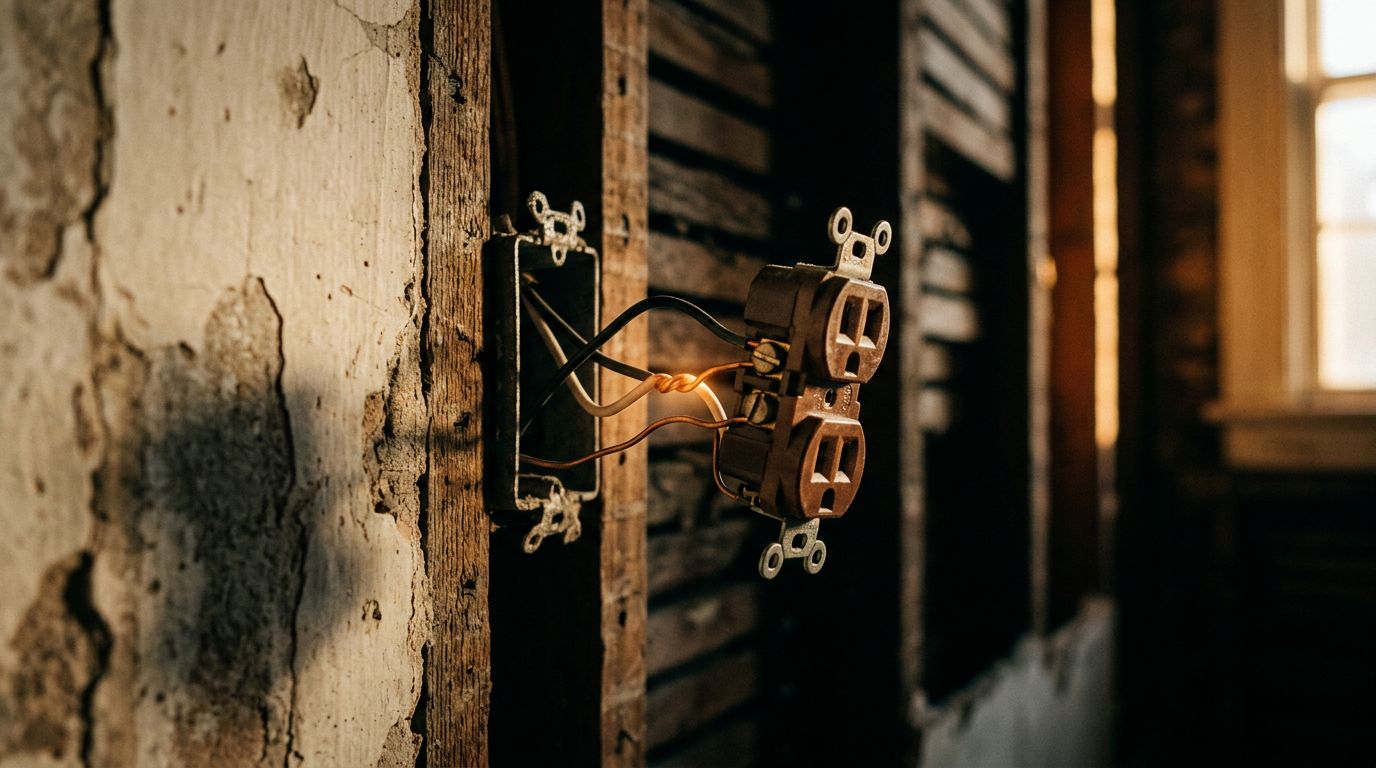
In many older Greater Boston homes, an outlet can look grounded and still not be safe. That hidden issue is called a bootleg ground , and it often shows up after years of quick fixes, partial updates, or outlet swaps.
It can fool a tester, it can confuse buyers, and it can leave you with a false sense of security. If your house was built before modern wiring became common, this is one of the first electrical problems worth checking.
What a bootleg ground actually is
A bootleg ground happens when the neutral and ground are tied together at a receptacle. In plain English, someone makes a three-prong outlet look properly grounded even though the circuit does not have a real equipment ground.
That shortcut matters because a true grounding path is supposed to carry fault current back to the panel through the right wire or metal path. When that path exists, protective devices can do their job and metal parts stay less likely to become energized. With a bootleg ground, the outlet may look correct on the face, but the safety path is fake.
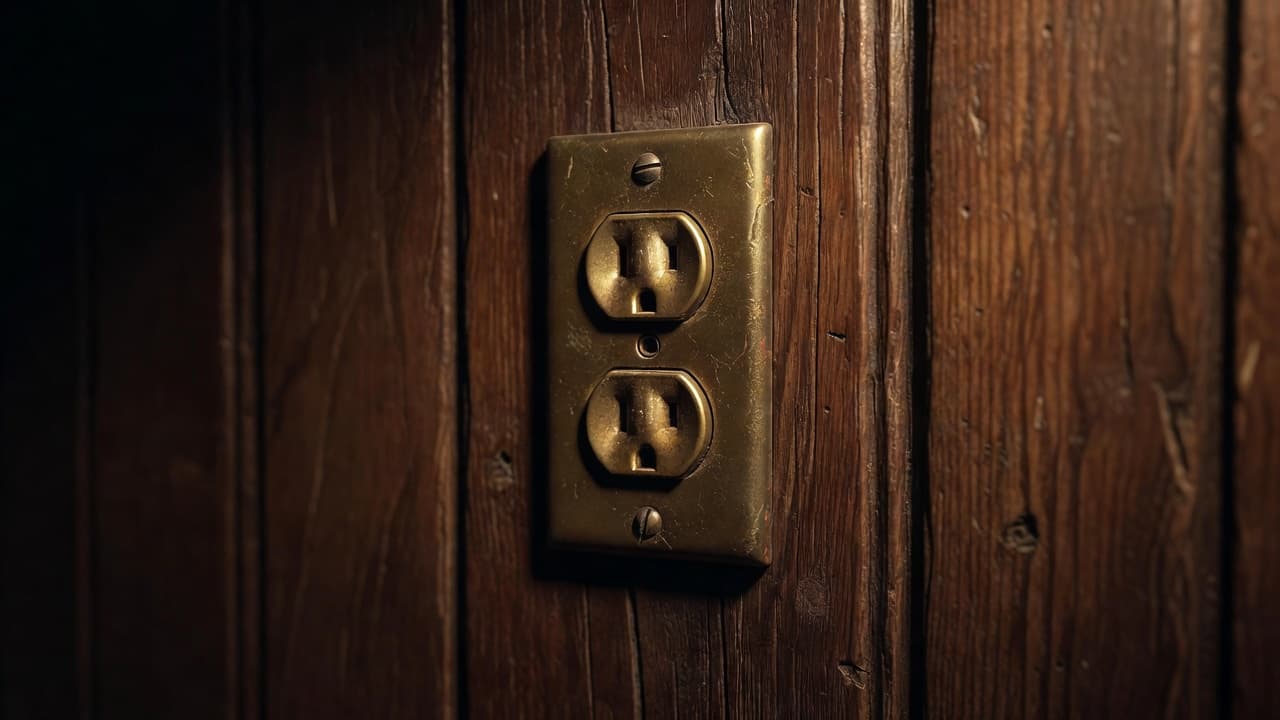
The problem often stays hidden because the outlet still works. A lamp turns on, a phone charger runs, and nothing seems unusual. That is part of what makes a bootleg ground risky. The outlet can appear modern while the wiring behind it is still outdated.
It is also different from a properly grounded branch circuit. In a real grounded system, the grounding path is built into the wiring or metal raceway. In a bootleg setup, the outlet only pretends to have that path.
Why older Greater Boston homes get them
Greater Boston has a lot of older housing, so bootleg grounds show up often in triple-deckers, Capes, bungalows, and long-updated single-family homes. Many of those houses were built before grounded wiring became standard. Some still have original wiring in parts of the home.
That matters because electrical work often happens in pieces. A previous owner may replace a damaged outlet, add a three-prong receptacle, or update one room during a remodel. If the old cable stays in place, the new outlet can look current even though the circuit still has no true ground.
A bootleg ground also shows up when someone wants a quick fix. Swapping in a three-prong outlet is easy. Rewiring a circuit is not. The quick fix hides the real condition instead of solving it.
Here is a simple way to compare the difference:
| Condition | What it means | Why it matters |
|---|---|---|
| Properly grounded wiring | A real grounding path runs back through the circuit | Better fault protection and safer use of modern devices |
| Bootleg ground | Neutral and ground are tied together at the outlet | Looks grounded, but the safety path is false |
| Other outdated wiring | Two-prong outlets, cloth-insulated cable, open grounds, worn splices | Can raise shock and fire risk and may need broader repairs |
A bootleg ground can make an outlet look updated while the wiring behind it still needs attention.
The main point is simple. A bootleg ground is not just an old-house quirk. It is a sign that someone tried to cover an electrical gap instead of fixing it.
What inspectors and buyers notice first
Inspectors often find a bootleg ground while checking outlets, switches, and the service panel. A simple plug-in tester can help, but it does not tell the whole story. Some bootleg grounds still make a tester light up as if the outlet is fine.
That is why a deeper check matters. A licensed electrician may remove the cover plate, test the wiring with a meter, and trace the circuit back to the panel. They may also look for loose splices, mixed wiring types, or other old conditions that need attention.
That kind of review is one reason a home electrical inspection in Greater Boston can be so useful before you buy, sell, or remodel a house. A bootleg ground may be one line in a report, but it often points to a larger pattern.
Buyers pay attention to those notes fast. A home inspector might flag the outlet, and a buyer may ask for repairs, a credit, or a closer look. Sellers sometimes find out that one misleading outlet can slow down a deal more than they expected.
Other issues often show up at the same time. Missing GFCI protection, old panels, overloaded circuits, and worn insulation can all appear in the same home. A bootleg ground can be part of that mix, but it should not be treated as the whole story.
Renovation choices when the wiring needs work
A bootleg ground usually means the circuit still needs real attention. Replacing the outlet alone does not create a safe grounding path. If the wire behind the receptacle is old and ungrounded, the new faceplate only hides the problem again.
In some cases, a targeted repair is enough. In others, the better move is a new grounded circuit or a partial rewire during a renovation. The right answer depends on the age of the home, the condition of the wiring, and how much of the house you plan to update.
Kitchens, bathrooms, basements, and home offices often make sense as priority areas. Those rooms use more devices and see more wear. If you are opening walls anyway, it can be smart to fix old wiring while the space is already exposed.
Why GFCI protection is not the same thing
GFCI protection adds an important layer of safety, but it does not turn a bootleg ground into a true ground. It can help reduce shock risk in certain situations, yet the circuit still lacks a proper grounding path.
That difference matters during renovations. A receptacle can be protected and still be wired in a way that should be corrected. For that reason, electricians often treat a bootleg ground as a clue, not as a finished solution.
If you are planning a remodel, a service change, or new equipment such as an EV charger or boiler wiring, a closer look at the existing circuits is a smart first step. A professional electrical inspection in Burlington, MA can help sort out whether the issue is one outlet, one circuit, or a wider wiring problem.
That is also the right time to think beyond the immediate room. Old homes often hide similar problems in nearby spaces. A fix in one area may reveal the next weak spot once the work starts.
When to call a licensed electrician
Some electrical problems are easy to ignore until they become expensive. A bootleg ground is one of them. If you see any of these signs, it is time to bring in a licensed electrician:
- A tester says the outlet is grounded, but the wiring is old or unclear.
- You have two-prong outlets that were upgraded without new cable.
- Lights flicker, breakers trip, or outlets feel warm.
- You notice scorch marks, buzzing, or a burning smell.
- You are opening walls for a remodel or finishing a basement.
- You want the home ready for sale and do not want electrical surprises later.
A licensed electrician can trace the circuit, test the neutral and grounding path, inspect the panel, and recommend the right fix. They can also separate a bootleg ground from other problems, such as reversed polarity or worn insulation.
If you smell burning, see smoke, or find a hot outlet, shut off that circuit if you can do so safely. Then get help right away.
The real fix is a true ground
A bootleg ground is one of those problems that hides in plain sight. The outlet may look modern, but the wiring behind it may still be old and unsafe.
For Greater Boston homes, that matters even more because so many houses were built before grounded wiring became standard. If an inspection flags one, treat it as a warning sign before you buy, sell, or remodel.
The safest next step is a licensed electrician who can tell you whether you need a targeted repair or a larger upgrade.