
What an Open Neutral Means in Greater Boston Homes

Contact Us
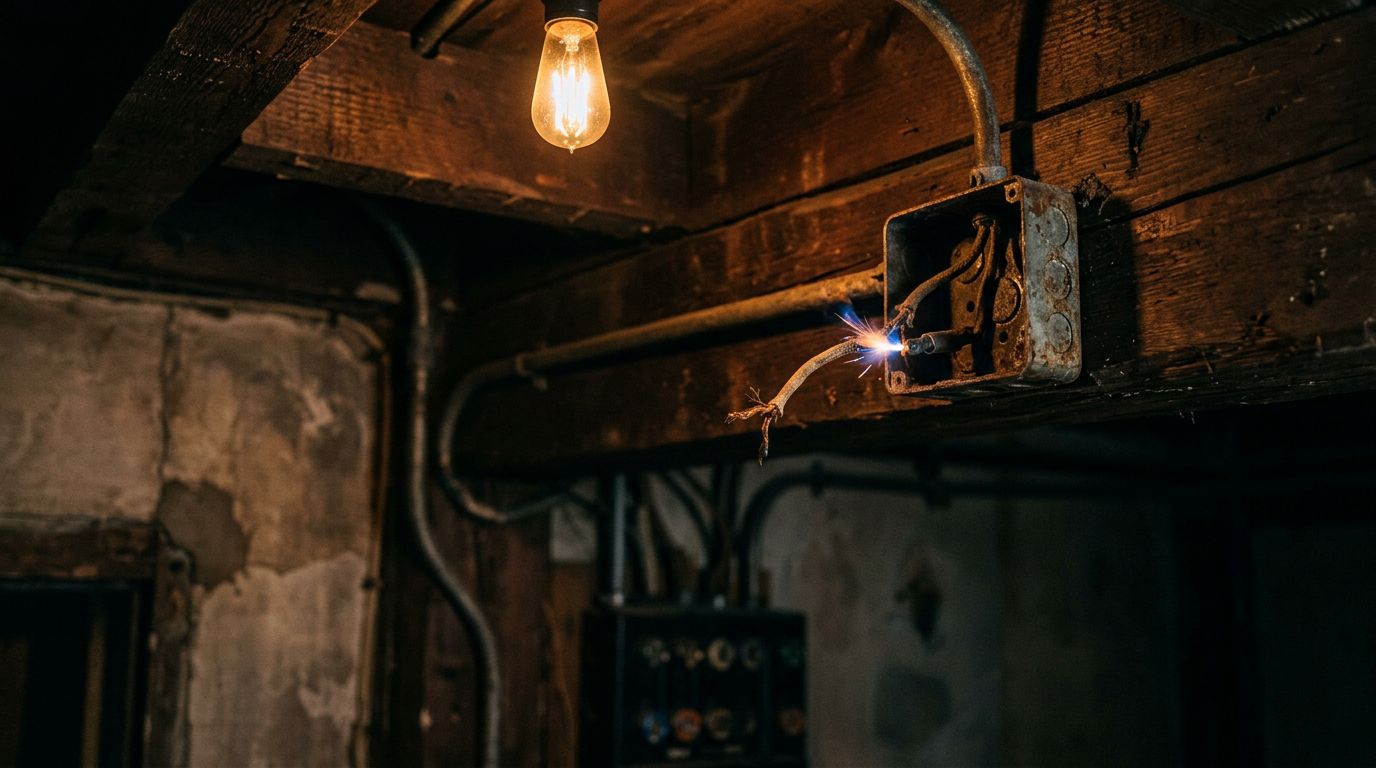
A flickering light may look harmless, but an open neutral can point to a much larger electrical problem. When the neutral path breaks, power stops behaving the way your home expects, and that can damage appliances, trip circuits, or create heat in hidden places.
In Greater Boston homes, this matters even more because many properties have older wiring, renovated additions, and heavy seasonal electrical use. One odd light can turn into a whole-house issue before you realize what changed.
Why an open neutral changes how power behaves
The neutral wire gives electricity a path back after it runs through a device. When that path opens, the current doesn't disappear. It shifts in ways that throw the circuit out of balance.
That's why lights can dim in one room while they get brighter in another. It's also why the problem may show up only when a big appliance starts. A microwave, space heater, or window AC can make the symptoms easier to spot.
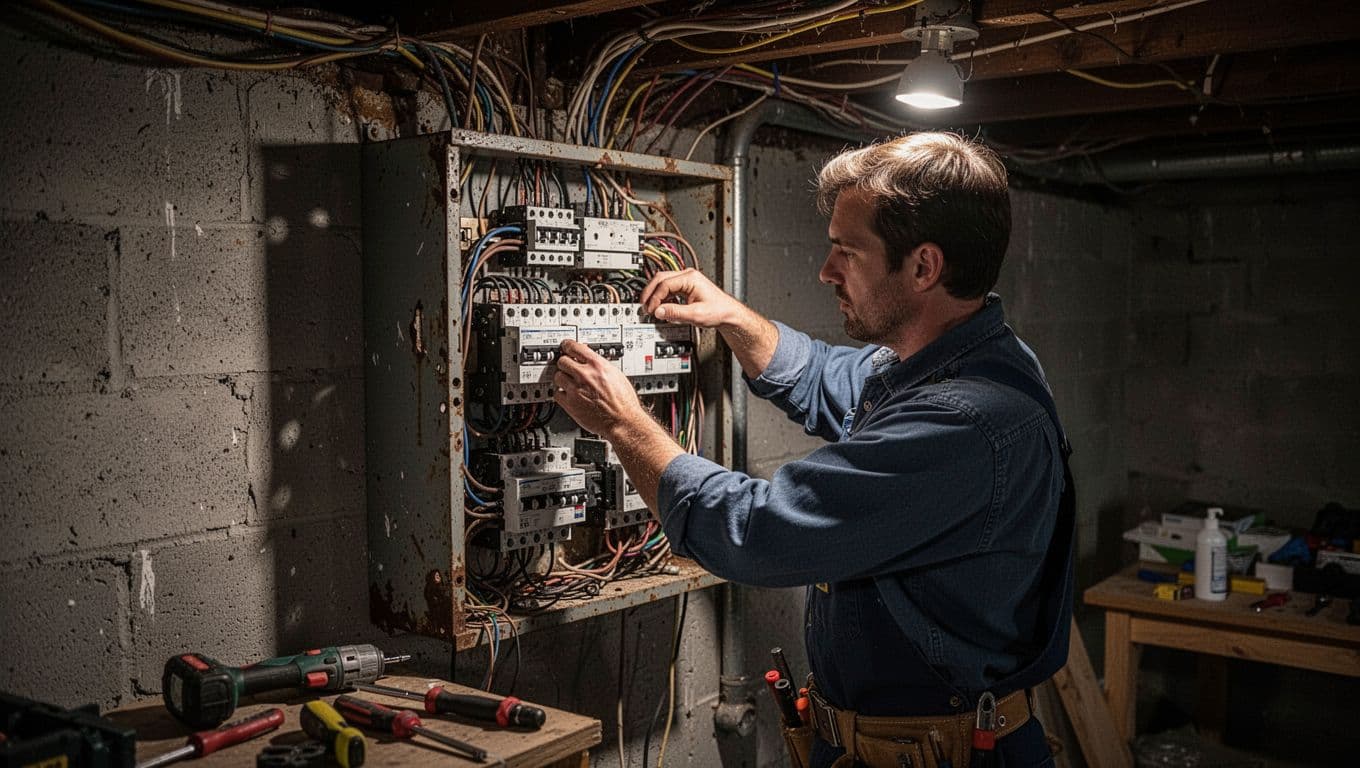
The issue can sit anywhere in the circuit path. A loose splice in a wall box, a worn receptacle, or a bad connection in the panel can all cause the same strange behavior. In some homes, the problem is in service equipment rather than one room, which is why the symptom often looks random.
When several lights or outlets act up at once, treat it as a wiring warning, not a single-fixture glitch.
An open neutral can also change how safe a circuit feels. A lamp may still turn on, but that doesn't mean the wiring is stable. The house may be running on borrowed time until someone traces the fault.
Signs the neutral path may be open
Some clues are easy to ignore at first. Others show up only when the home is under strain. Either way, the pattern matters.
- Lights dim or brighten when a large appliance turns on.
- Multiple fixtures flicker together, even in different rooms.
- Outlets work one minute, then stop or act strange the next.
- Electronics reset, buzz, or fail without a clear reason.
- Breakers trip in a way that doesn't match one obvious appliance.
- You hear buzzing, crackling, or popping near switches or outlets.
A single bad bulb can flicker. A loose neutral connection can do much more. If the problem moves around the house, the issue is probably farther upstream than the outlet you first noticed.
Heat is another warning sign. An open neutral can create resistance at a bad connection, and resistance makes heat. You may not see the damage right away, but the wall box, panel, or plug can be getting warmer than it should.
That's why a flicker should never be treated as a small annoyance when it keeps returning. Repeated symptoms usually mean the connection is failing, not just acting up for one evening.
Why you should not keep using the circuit
Electrical problems that come and go are easy to dismiss. Still, an open neutral can damage equipment long before a breaker trips. Computers, TVs, smart devices, and appliances can all react badly when voltage swings out of range.
The risk gets worse when more than one circuit is affected. Lights can surge brighter than normal, then drop low again. Motors in fridges, fans, and compressors don't like that kind of stress. Over time, the extra wear can shorten the life of expensive equipment.
In a home with children, older relatives, or tenants, the stakes rise fast. A loose neutral can create shock risk at outlets and metal fixtures if the fault is severe enough. That is why it should be treated as a real safety issue, not a minor comfort problem.
The safest move is to stop trusting the circuit until it's checked. If the house is showing the same symptoms in more than one spot, a professional diagnosis is the right next step. A home electrical inspection in Greater Boston can help separate a simple device failure from a larger wiring issue.
Why older Boston homes face a higher risk
Greater Boston has a lot of older housing stock. Triple-deckers, two-families, and long-renovated single-family homes often carry a mix of old and new electrical work. That mix can hide problems inside walls, basements, and utility spaces.
Older wiring may have been patched several times over the years. Connections loosen. Insulation gets brittle. Boxes fill up. If a home has seen additions, finished attics, updated kitchens, or basement remodels, the wiring may no longer match one clean layout.
Seasonal demand matters too. Winter brings space heaters, dryers, and more lighting use. Summer adds AC units, dehumidifiers, and fans. When a system already has a weak neutral connection, those load changes can make the symptoms show up faster.
Moist basements and older utility areas add another layer of wear. Damp air can corrode metal parts over time, and corrosion can weaken a connection that already felt loose. In multi-family buildings, shared walls and stacked units can make the fault harder to track, since one unit's symptoms may start in a different part of the building.
That's why this problem is common in homes that have been updated in stages. The wiring may have worked fine for years, then a new appliance, a remodel, or a cold snap reveals the weak spot.
How electricians find the source
An open neutral can hide in plain sight. The visible symptom may be a flickering kitchen light, while the real cause sits in a basement junction box or at the main service equipment. That's where proper testing matters.
Electricians check the panel, outlets, switches, and junction boxes. They look for loose terminations, damaged devices, overheated conductors, corrosion, and signs of past arcing. In some cases, they use infrared testing to spot hot connections that don't show obvious damage yet.
The inspection usually follows the symptom trail, but it doesn't stop there. A neutral problem may affect a branch circuit, a shared neutral, or even service equipment that feeds the whole home. That is why a loose-looking outlet is not always the place where the real failure lives.
| Where electricians look | Why it matters |
|---|---|
| Main panel and service equipment | A loose neutral here can affect many circuits at once |
| Outlets and switches | Worn terminals can break the return path |
| Junction boxes | Old splices often loosen inside walls or ceilings |
| Damp or unheated areas | Moisture can corrode connections over time |
| Large appliance circuits | Heavy loads can reveal a weak connection fast |
The table shows why the problem is so hard to guess from the outside. The symptom might start in one room and end up leading to a much older connection somewhere else.
Repairs depend on what the electrician finds. Sometimes the fix is a damaged receptacle or a poor splice. Other times the work is larger, like replacing a section of wiring or correcting a service connection. The important part is that the diagnosis comes first, before anything gets patched over.
What to do before the electrician arrives
A little caution goes a long way here. You don't need to tear anything apart, and you should not try to trace the fault yourself.
- Stop using outlets, rooms, or appliances that show obvious trouble.
- Unplug sensitive electronics if lights are swinging bright and dim.
- Avoid outlets that buzz, crackle, or feel warm.
- Stay away from wet areas if the problem is near a basement, laundry room, or exterior wall.
- Write down when the symptoms happen, because that helps narrow the load pattern.
Don't keep resetting breakers if they trip again. Don't open the panel. Don't test wires. If you smell burning insulation or see smoke, treat it as urgent and call right away.
A few details can help an electrician move faster. Notes about the time of day, the weather, and which appliances were running can point to the right circuit much sooner.
Conclusion
An open neutral often starts with something small, like a light that flickers or a socket that acts odd. The risk sits underneath that symptom, because unstable voltage can damage devices and create heat in hidden places.
In Greater Boston homes, older wiring, layered repairs, and seasonal load changes can make the problem show up in more than one room. When that happens, the safest response is to stop guessing and get a professional diagnosis.
A neutral problem can seem minor at first, then turn expensive fast. When the lights stop behaving the way they should, it's time to treat the wiring as the issue.