
Murray Electrical Panel in Greater Boston Homes

Contact Us
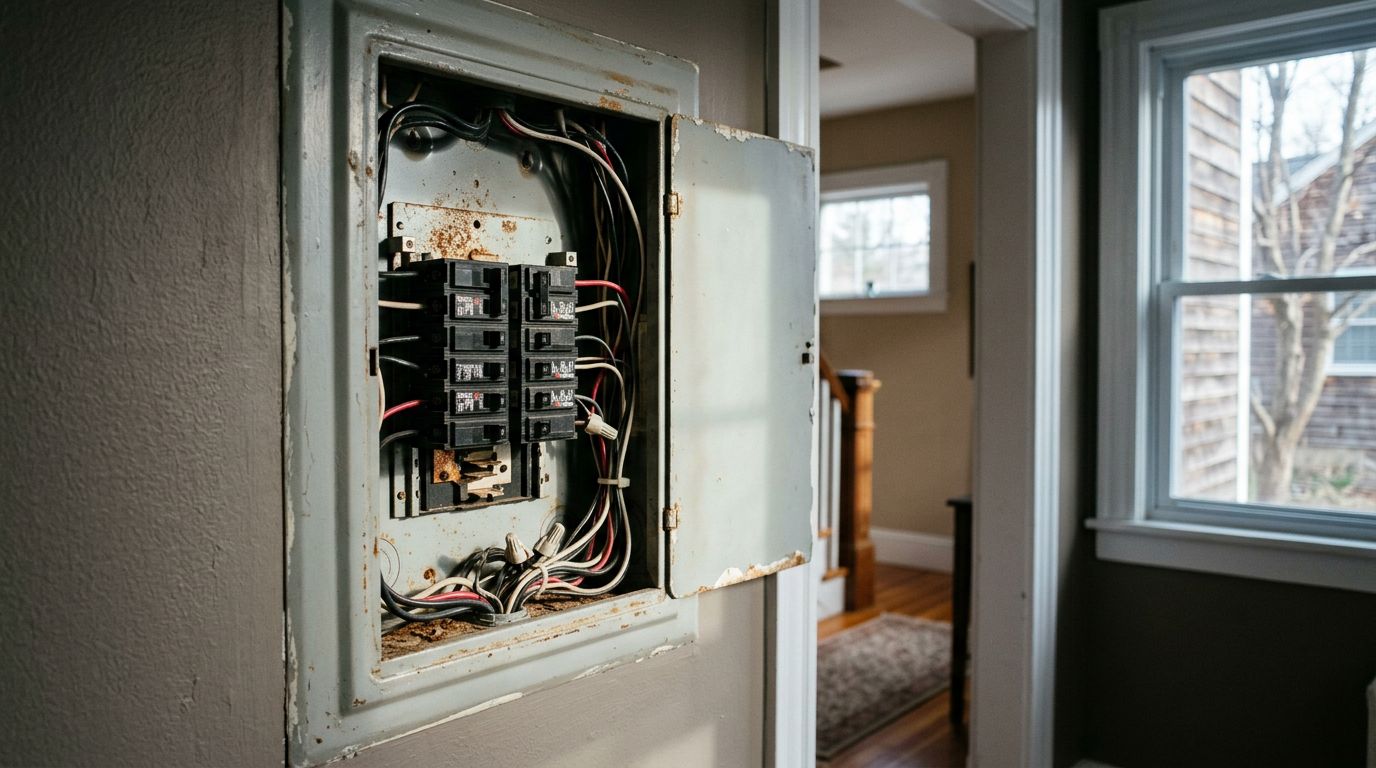
A Murray electrical panel in a Greater Boston home may be decades old, but its brand alone doesn't tell you whether it's safe. The panel's condition, installation quality, service capacity, and electrical load matter more than the name printed on the cover.
If you own an older home in Boston, Cambridge, Somerville, Quincy, Burlington, or a nearby community, you may see Murray equipment during a renovation or inspection. Understanding what that label means can help you decide whether the panel needs routine service, repairs, or replacement.
What a Murray electrical panel tells you
Murray was a long-established electrical equipment brand found in residential load centers and circuit breaker panels. A Murray-labeled panel manages electricity after it enters the home. Its main breaker and branch breakers send power to lighting, outlets, appliances, heating equipment, and other circuits.
The name on the door doesn't identify the panel's full condition. You need the model number, amp rating, breaker layout, installation date when available, and visible condition to understand what you have.
Some Murray equipment appears in older homes alongside Siemens-branded components. Product lines and replacement parts can change over time, so a breaker that looks similar may not be approved for a particular enclosure. The panel label and manufacturer's compatibility information matter.
A breaker that fits a Murray panel may still be unsuitable. Compatibility depends on the panel listing and breaker identification, not the shape of the slot alone.
Inside the enclosure are bus bars, wire connections, breakers, and other parts that carry substantial electrical current. Those components require proper torque, spacing, grounding, and overcurrent protection. A neat-looking cover cannot tell you whether the work inside meets current requirements.
Why Murray panels appear in Greater Boston homes
Greater Boston has many houses built before modern electrical demands became common. Older properties often received electrical upgrades in stages. One owner may have added a kitchen circuit, while a later renovation added air conditioning, a finished basement, or an electric heating system.
That history can leave a Murray panel serving a home with a much larger load than its original design anticipated. A panel installed when homes used less electricity may now supply:
- Electric ranges, clothes dryers, or water heaters
- Central air conditioning or heat pumps
- Basement workshops and home offices
- Electric vehicle charging equipment
- Generators, solar systems, or battery equipment
The panel may continue working under normal conditions while operating near its practical limits. A homeowner may notice flickering lights, tripped breakers, or warm equipment only after adding a major appliance.
Older basements also create local concerns. Damp conditions, condensation, plumbing leaks, and coastal humidity can damage metal parts inside an electrical enclosure. If you notice corrosion, read about rust inside an electrical panel before touching the equipment or scheduling another project around it.
A Murray label also doesn't prove that a house has an outdated electrical service. Some panels remain serviceable after many years. Others have poor modifications, damaged breakers, inadequate grounding, or capacity limits that make replacement the safer choice.
Condition and capacity matter more than the brand
A proper inspection looks at the entire electrical system, not only the panel's manufacturer. The electrician should identify the service rating, inspect the panel and connections, review the breaker types, and calculate the home's current and planned load.
Signs the panel needs attention
Call a licensed electrician if you notice heat, damage, moisture, or unusual operation around the panel. Warning signs include:
- A burning odor, buzzing, sizzling, or crackling
- Discoloration, scorch marks, melted plastic, or a warm cover
- Rust or visible moisture inside the enclosure
- Breakers that trip repeatedly without an obvious cause
- Flickering lights when a large appliance starts
- Loose, missing, or incorrectly sized breakers
- Multiple wires under a terminal that isn't designed for them
- An overloaded panel with little room for properly installed circuits
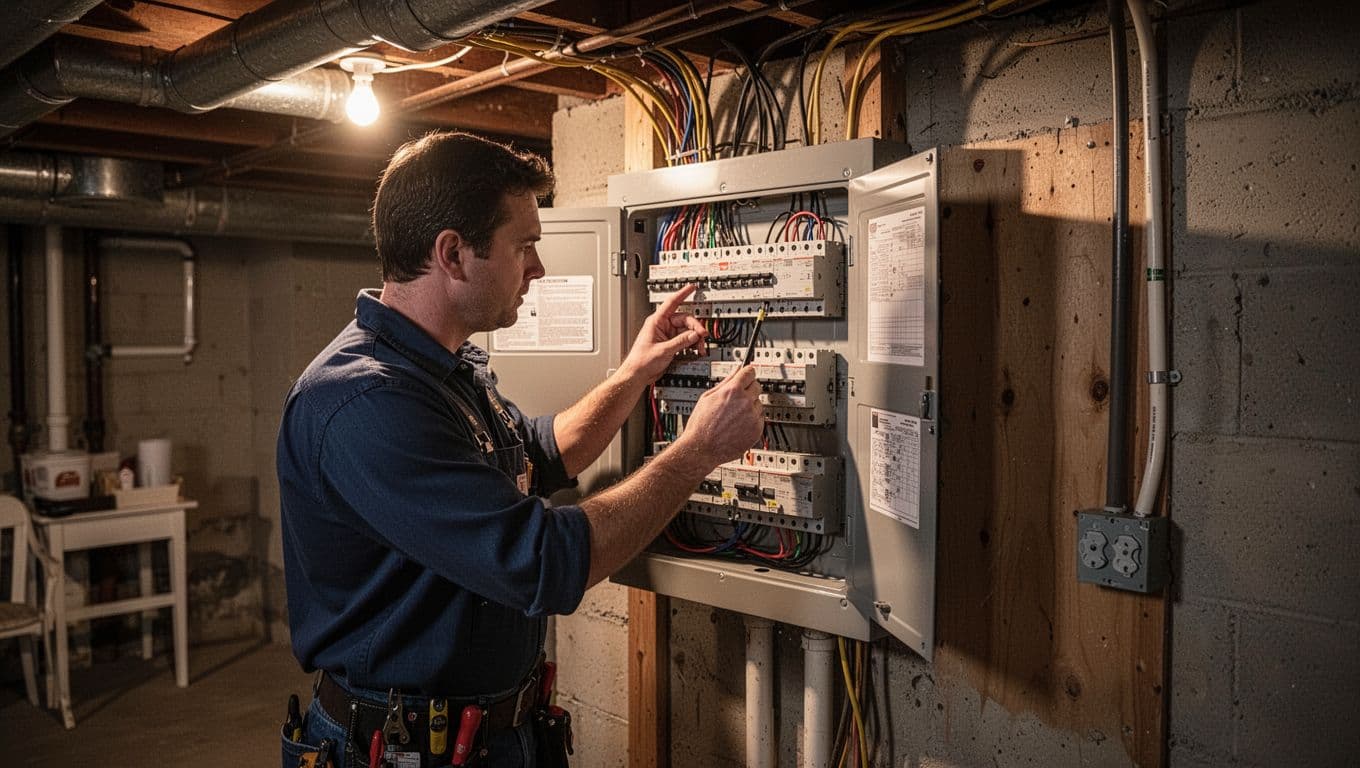
Don't remove the panel cover to investigate. The service conductors can remain energized even when the main breaker is off. A licensed electrician has the training and equipment to inspect the panel safely.
A repeated trip doesn't always mean the breaker is defective. It can indicate an overloaded circuit, a failing appliance, a short circuit, or a wiring problem. Resetting the breaker again and again can hide a fault that needs prompt attention.
How service capacity affects your decision
A panel's amp rating describes how much current the service and equipment can support. Common residential ratings include 100, 150, and 200 amps, but the number of breaker spaces is a separate issue.
A panel with open spaces may still lack enough overall capacity for a new heat pump or EV charger. Conversely, a larger service doesn't fix damaged wiring or unsafe installation work. The electrician needs to evaluate the service conductors, grounding system, meter equipment, and load calculation together.
For example, adding an EV charger to a home with an electric range and heat pump may require more than installing a new breaker. The electrician may need to verify available capacity, select the correct charger circuit, update disconnect equipment, or recommend a service upgrade.
The same principle applies to generators, solar equipment, and electric resistance heat. Capacity is a system question , not a brand question.
Should you repair or replace a Murray electrical panel?
Repair may make sense when the panel is in good condition, the service has adequate capacity, the breakers are approved for that panel, and the problem comes from a correctable issue. Examples include replacing a failed breaker with the proper listed part, tightening a connection, correcting a label, or repairing a circuit outside the enclosure.
Replacement deserves serious consideration when the panel has corrosion, heat damage, obsolete components, repeated failures, poor workmanship, or no practical room for planned electrical additions. A panel upgrade may also improve circuit organization and make future troubleshooting easier.
A replacement project usually involves more than swapping the metal box. The electrician may need to:
- Review the existing service and calculate the expected load.
- Select equipment with the right rating, spaces, and breaker compatibility.
- Plan the shutdown and coordinate with the utility when required.
- Install the panel, grounding and bonding components, and branch circuits.
- Arrange required permits and inspections for the municipality.
The home's wiring condition matters too. An electrician may find older cable, ungrounded circuits, damaged insulation, or connections that need correction before the new equipment can operate safely.
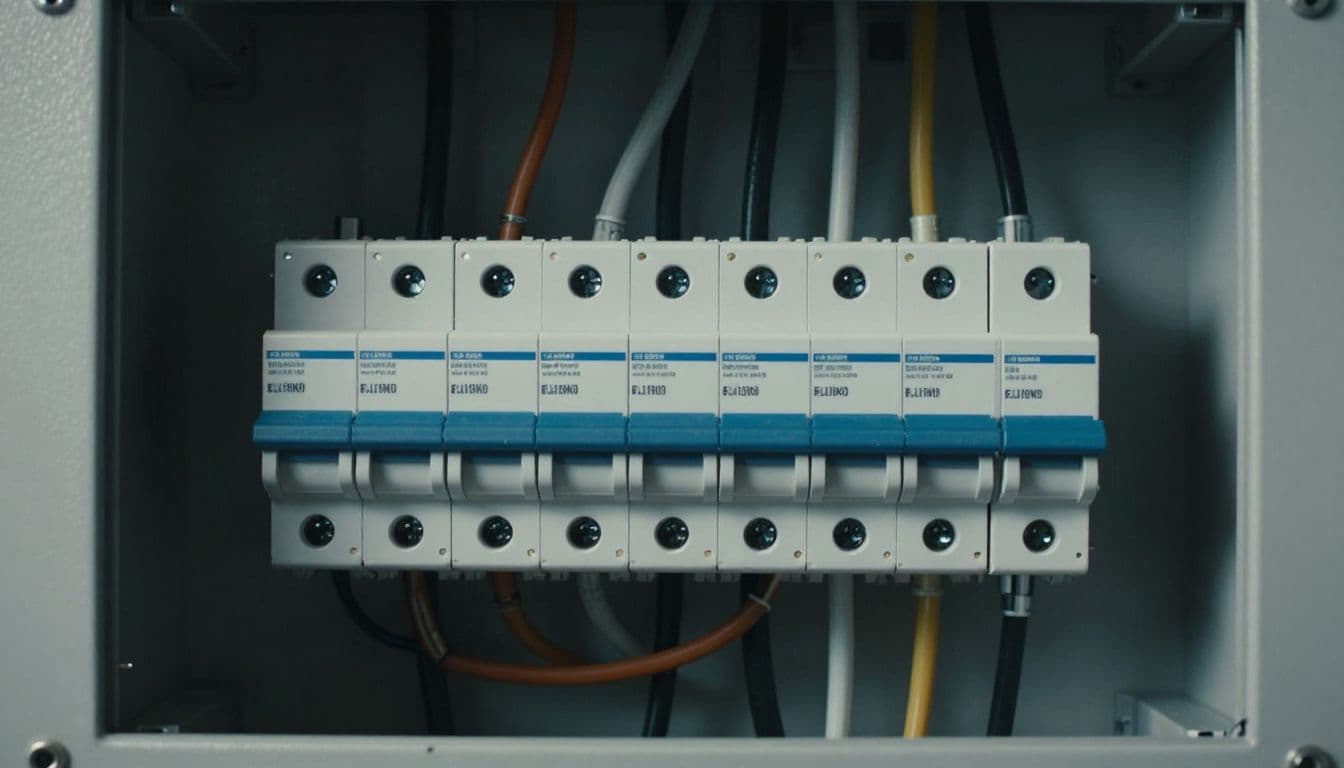
A homeowner shouldn't choose a replacement panel by brand alone. The right equipment must match the service, branch wiring, available fault current, installation location, and future plans. A licensed electrician can also explain whether a full service upgrade is needed or whether a panel replacement is enough.
For homeowners comparing options, breaker panel installation and replacement should include a review of the existing load and wiring, not only the installation of a new enclosure.
What to ask during a panel inspection
Before scheduling electrical work, write down the appliances and projects you expect to add. Include an EV charger, heat pump, generator, hot tub, workshop equipment, or kitchen remodel. These details help the electrician assess future demand instead of reviewing only today's usage.
Ask for clear answers to these questions:
- What is the panel's amp rating and model number?
- Is the panel a main service panel or a subpanel?
- Are the installed breakers listed for this panel?
- Does the grounding and bonding arrangement meet current requirements?
- Are there signs of heat, moisture, corrosion, or loose connections?
- Can the existing service support planned appliances?
- Does the project require a permit, utility coordination, or inspection?
The inspection may also reveal problems outside the panel. The electrician can check the service entrance, meter connection, grounding electrode system, branch circuits, and major equipment connections.
Greater Boston homes often have several generations of electrical work. A careful inspection separates equipment that is old but serviceable from equipment that is damaged, mismatched, or unsafe. It also prevents a homeowner from paying for a larger upgrade than the property needs.
Don't attempt to replace a breaker, move wires, or install a larger main yourself. Work inside an electrical panel can cause shock, arc flash, fire, or damage to connected equipment. Use a licensed electrician for inspections, repairs, upgrades, and all panel work.
Conclusion
A Murray electrical panel is a clue about the equipment in your home, not a final safety judgment. The right decision depends on its condition, installation quality, breaker compatibility, service capacity, and the load your home places on the system.
If your panel shows heat, corrosion, repeated trips, or limited capacity, have a licensed electrician inspect it before adding new equipment. In a Greater Boston home, a careful evaluation is more useful than replacing a panel based on its brand name alone.