
Electrical Panel Replacement Cost in Greater Boston 2026

Contact Us
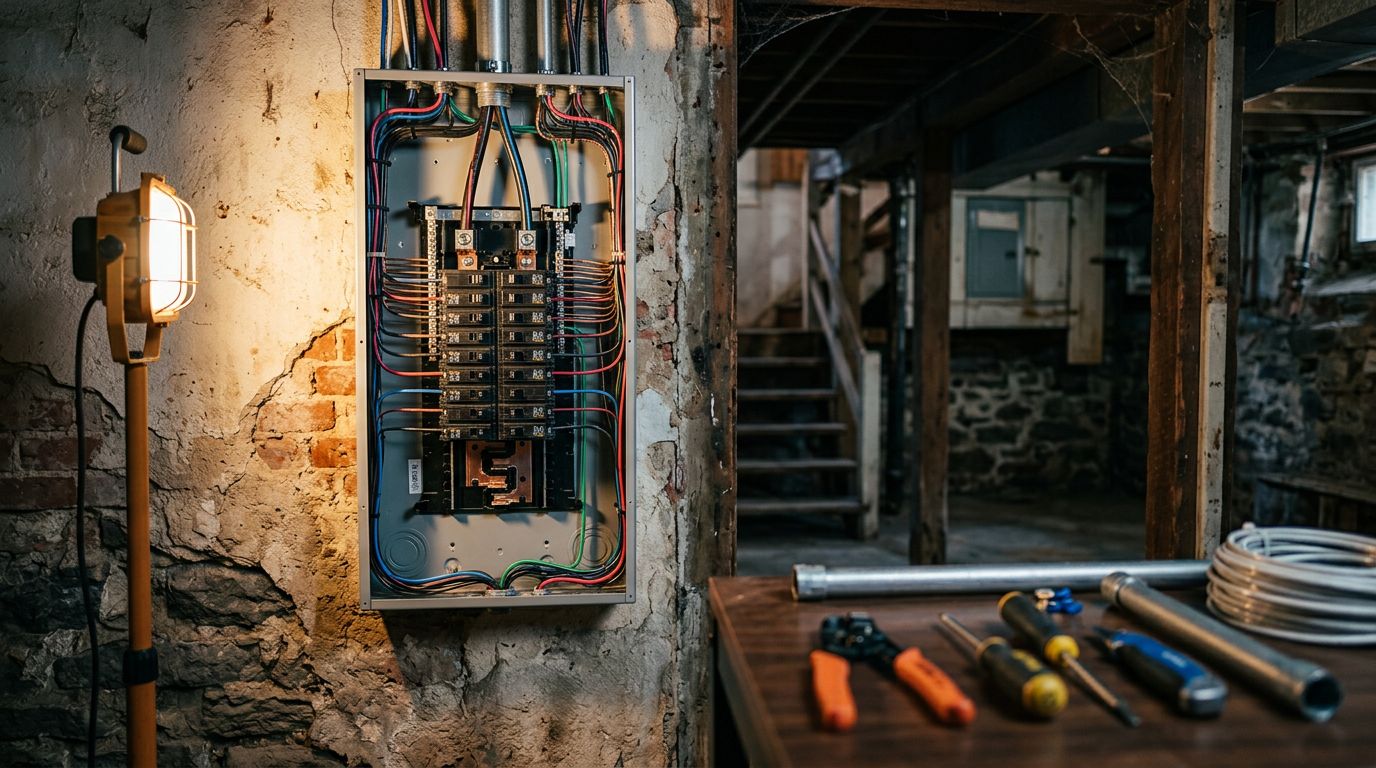
An outdated electrical panel can turn a routine renovation into a larger project. In 2026, electrical panel replacement cost in Greater Boston ranges from about $900 for a straightforward panel swap to more than $6,000 when service, utility, or wiring work is involved.
Most homeowners should budget $2,500 to $5,000 for a standard service upgrade. Older homes, historic properties, and projects involving meter relocation or service-entrance repairs can cost more. The final price requires an on-site evaluation because local permits, utility coordination, and code compliance affect the work.
Electrical panel replacement cost in Greater Boston in 2026
The price depends first on the job's scope. Replacing the panel at the same service size is different from upgrading a 100-amp service to 200 amps.
These ranges provide a practical starting point for Greater Boston homeowners:
| Project scope | Typical 2026 price range | Common work included |
|---|---|---|
| Same-size panel replacement | $900 to $3,000 | Panel, breakers, labor, labeling, minor corrections |
| Standard service upgrade | $2,500 to $5,000 | Larger panel, service wiring, grounding, permits, coordination |
| 200-amp panel replacement | $1,800 to $3,000 | New 200-amp panel with existing service capacity |
| 100-amp to 200-amp upgrade | About $2,400 to $5,400 | Panel, service conductors, meter work, grounding, utility steps |
| Complex older-home project | $6,000 or more | Service entrance repairs, rewiring, masonry, or major code corrections |
Boston consumer cost estimates published for 2026 show an average panel replacement near $1,617 to $1,620. Those figures often reflect simpler panel replacements, not a complete service upgrade.
The electrical panel replacement cost in a local estimate may also include permit and inspection fees. Boston-specific estimates place an electrical panel permit around $70 to $250, while broader project estimates may show $200 to $500 for permits and inspections. Each city or town has its own requirements.
For a closer look at the difference between a panel replacement and a complete upgrade, review this guide to electrical service upgrade cost in Greater Boston.
Panel replacement and service upgrades are different jobs
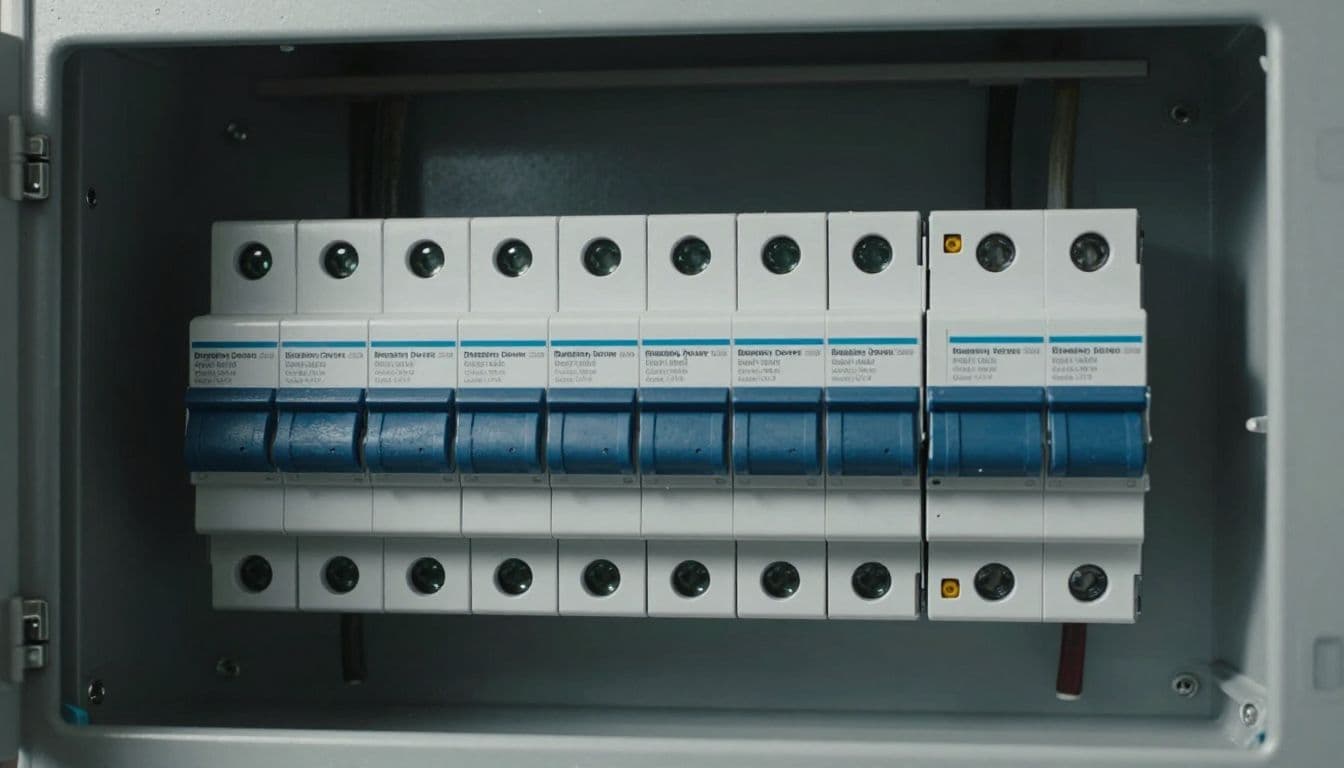
The phrase "panel replacement" can describe several levels of electrical work. Ask your electrician to define the scope before comparing prices.
A panel swap and a service upgrade are different jobs, even when both quotes use the word "panel."
Same-amperage panel replacement
A same-size replacement removes the existing breaker panel and installs a new panel with the same service capacity. For example, a 100-amp panel may be replaced with another 100-amp panel when the service remains adequate for the home.
The electrician may replace breakers, correct labeling, repair minor wiring issues, improve grounding, and bring accessible portions of the installation into compliance. The job still requires a licensed professional because the panel connects directly to energized service equipment.
A same-size replacement may make sense when the panel is damaged, obsolete, corroded, or no longer supported. It may not solve capacity problems caused by an electric vehicle charger, heat pump, electric range, addition, or other large load.
100-amp to 200-amp service upgrade
A service upgrade changes the amount of electricity the home can receive. The electrician usually performs a load calculation, reviews the existing service, and determines whether the utility connection and service entrance can support the new capacity.
The work may involve a new panel, larger service conductors, a meter socket, grounding and bonding changes, and communication with the electric utility. Some homes need exterior repairs or a new service entrance before the upgrade can pass inspection.
Greater Boston homeowners considering an EV charger, heat pump, generator, or major renovation can compare 100-amp and 200-amp electrical service before choosing a panel size. A 200-amp service often fits a higher electrical load, but the load calculation should guide the decision.
Commercial work can involve additional requirements. Three-phase service, tenant schedules, equipment shutdowns, fire alarm systems, and larger distribution equipment can increase both labor and coordination costs.
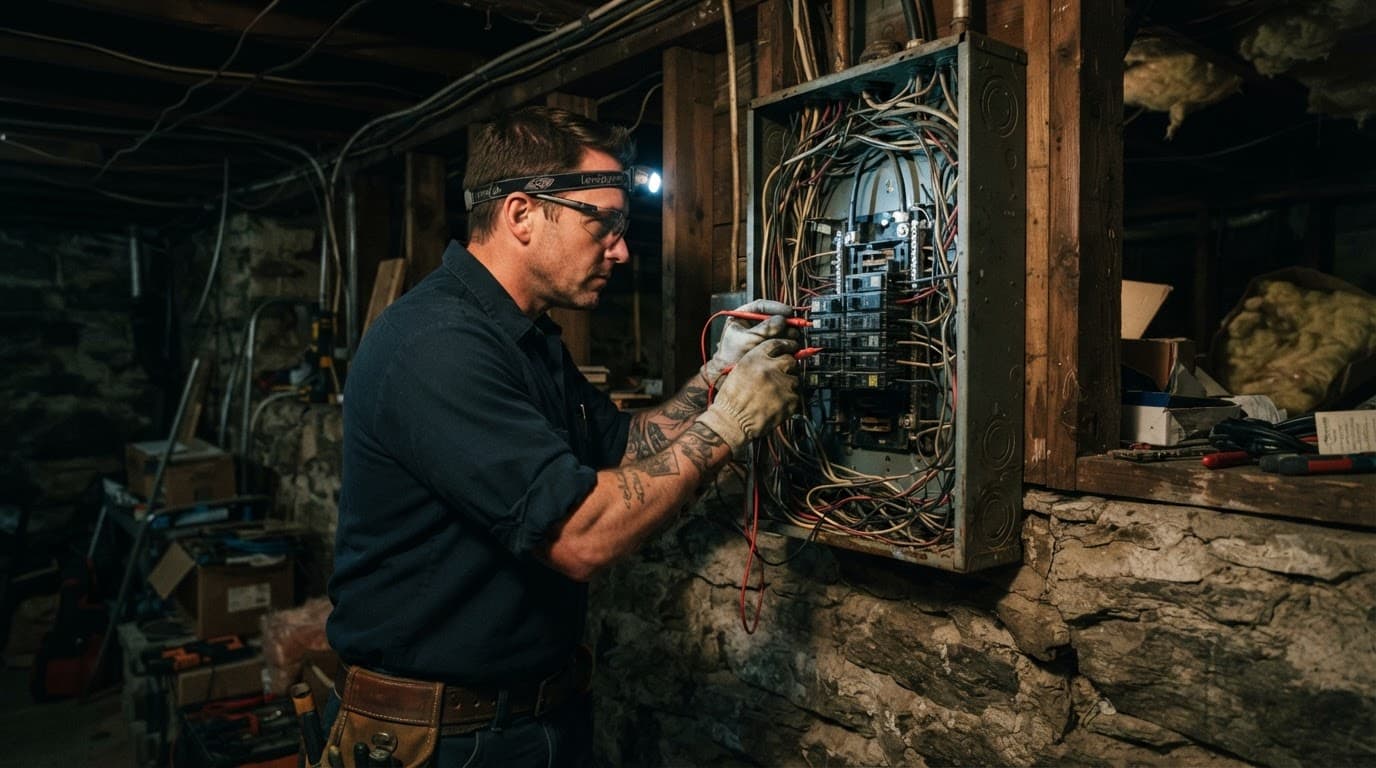
Why older Greater Boston homes can cost more
Greater Boston includes many older homes with electrical systems that predate current household demands. A panel replacement may expose related problems that weren't visible during a basic inspection.
Wiring and equipment conditions
An electrician may find undersized service conductors, outdated grounding, damaged cable, limited space, or previous work that doesn't meet current code. These issues can require correction before the new panel receives approval.
Some older homes also contain knob-and-tube wiring. A panel replacement doesn't automatically replace every circuit in the house, but the wiring's condition and accessibility can affect the project. Service-entrance remediation in an older home can place the total near $4,500 to $6,000.
Federal Pacific and Zinsco equipment can also affect the estimate. Replacement may require additional planning when the panel uses obsolete equipment, has damaged bus connections, or contains breakers that are difficult to source.
Access, permits, and utility work
Panel location matters. A basement panel with clear access usually takes less preparation than equipment behind finished walls, inside a tight utility closet, or near masonry. Wall removal and repair may fall outside the electrical contractor's price.
Utility coordination can add time and cost when the meter socket, overhead connection, service drop, or underground conduit needs work. Historic properties may need extra care around masonry service entries or protected finishes.
Some Boston-area estimates place a full 200-amp service and panel upgrade around $3,900 to $8,500. Complex historic projects involving meter relocation or masonry can reach $9,000 to $14,000. Those higher figures don't apply to every home, but they show why an online average can't replace an inspection.
What a professional estimate should include
A useful quote should describe the work in plain language. If it only says "replace electrical panel," ask what the price excludes.
A written estimate should identify:
- The proposed panel amperage, number of spaces, and breaker type.
- Whether the existing service remains the same or increases from 100 amps to 200 amps.
- Any required load calculation, service-conductor replacement, meter work, or service-entrance repair.
- Permit filing, utility coordination, inspection scheduling, and final testing.
- Grounding, bonding, circuit labeling, breaker replacement, and disposal of the old equipment.
- Costs for wall access, patching, painting, trenching, or other work outside the electrical installation.
- Optional items such as whole-house surge protection or additional circuits.
The electrical panel replacement cost should also distinguish required work from optional improvements. For example, a contractor may recommend surge protection or spare panel capacity, but those items should appear separately.
Two estimates are useful only when they cover comparable work. A $1,500 quote may be a panel-only replacement, while a $4,500 quote may include a new meter base, service conductors, grounding, permits, and utility coordination.
A written price without an on-site inspection is a planning figure, not a final quote.
A licensed electrician should inspect the panel, service equipment, wiring, grounding, and access conditions before confirming the total.
Signs your panel may need replacement
Some electrical problems need prompt attention. Contact a licensed electrician when you notice:
- Flickering or dimming lights when appliances start.
- Breakers that trip repeatedly without an obvious cause.
- Buzzing, crackling, burning smells, heat, or discoloration near the panel.
- Rust, moisture, loose covers, or visible damage.
- A panel made by an obsolete manufacturer or equipment that lacks replacement breakers.
- Too few spaces for needed circuits, leading to unsafe modifications or crowded wiring.
- Electrical capacity concerns during a renovation, EV charger installation, or heat pump project.
You can review these warning signs of an outdated electrical panel before scheduling an evaluation.
Don't remove the panel cover or handle internal wiring yourself. The service conductors can remain energized even when individual breakers are off. If you see smoke, sparks, or signs of active overheating, move away from the equipment and seek emergency help.
How to budget for a panel project
Start by deciding what your home needs over the next several years. A panel that works today may have limited capacity after an EV charger, electric heating, solar equipment, or a finished addition is installed.
Ask each contractor for an on-site evaluation and a detailed scope. Confirm that the electrician is licensed in Massachusetts, carries appropriate insurance, handles permits, and will arrange required inspections.
Price matters, but the lowest number may not include the same safety work or utility coordination. Compare panel brands, warranty terms, breaker space, service size, grounding work, and excluded repairs.
Sirois Electric, based in Burlington, works with Greater Boston homeowners, businesses, and property managers on panel and service projects. A local contractor familiar with nearby permitting offices and utility requirements can identify scope issues before work begins.
Conclusion
For most Greater Boston homes, a simple panel replacement costs about $900 to $3,000 in 2026. A standard service upgrade usually falls closer to $2,500 to $5,000, while older-home repairs and complex utility work can push the total much higher.
The right budget depends on the condition of the existing system, the service size your home needs, and the work required for permits and code compliance. An on-site assessment from a licensed electrician gives you a safer installation and a more reliable price than an online average.