
Can You Run Wiring Through Plaster Walls Safely?

Contact Us
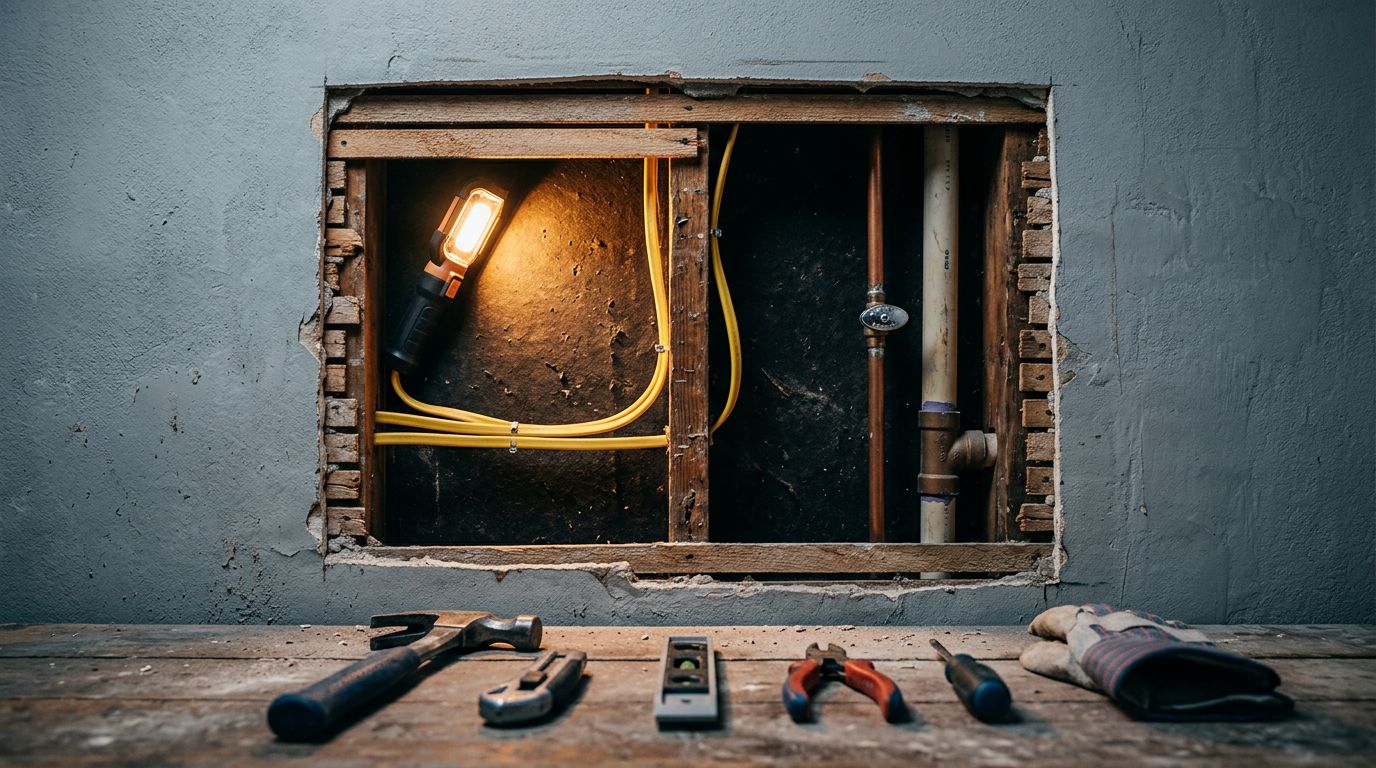
Yes, you can usually run wiring through plaster walls , but the work takes more care than wiring through modern drywall. Plaster-and-lath walls can hide wood framing, old cables, plumbing, and fragile surfaces that crack when disturbed.
The safest approach depends on the wall's construction, the wire's destination, and access from an attic, basement, closet, or adjacent room. Before cutting or drilling, identify what is behind the plaster and decide which work belongs to a licensed electrician.
Key Takeaways
- New wiring can pass through plaster walls when the wall cavity is accessible and the cable route is planned carefully.
- Plaster-and-lath construction makes cutting, drilling, and fishing more difficult than working with drywall.
- Always check for electrical cables, plumbing, structural framing, and hazardous older materials before opening the wall.
- Homeowners can plan locations and handle some surface repairs, but new circuits, junction boxes, and final connections may require permits and licensed electrical work.
- Small, carefully placed access holes often cause less damage than forcing wire through a long, unknown route.
Can You Run Wiring Through Plaster Walls?
Plaster walls usually have a layer of plaster applied over thin wood strips called lath. The lath supports the plaster and creates a wall surface that is harder and less forgiving than drywall. Some older walls also contain wire mesh, multiple layers of finish, or repairs that make the material even more difficult to cut.
A wire can often pass through the open space between the studs. However, the route may be blocked by horizontal framing, fire stops, old wiring, insulation, or pipes. A drill may also damage the plaster around the hole if it catches the lath or creates vibration.
Access is easier when the wall has an unfinished attic or basement above or below it. An electrician may be able to drill through the top or bottom plate and fish the cable into the wall with fewer openings. Closets and adjoining rooms can provide additional access without damaging a visible section of plaster.
The type of wiring also matters. A new branch circuit, lighting cable, receptacle, switch, data cable, and low-voltage system may each have different installation requirements. The cable must have proper protection where it passes through framing and must connect to boxes rated for the wall construction.
A professional may recommend opening the wall in a few controlled locations instead of trying to fish a cable blindly. That choice can reduce damage and prevent a small wiring project from becoming a large plaster repair.
How Electricians Fish New Wires Through Plaster Walls
The first step is planning the route. The electrician identifies the existing panel or junction point, the new device location, and the likely path between them. They may inspect accessible areas, review previous renovation details, and use a stud finder or other detection equipment.
Detection tools have limits. Thick plaster, wood lath, metal mesh, and old construction can produce confusing readings. An electrician may need to open a small inspection area to confirm the location of studs and utilities.
A typical installation may involve these steps:
- The circuit is turned off and tested with an appropriate meter. The electrician confirms that nearby wiring is de-energized before opening the wall.
- The new box location is marked away from known studs, pipes, and existing cables. The opening must match the box and wall type.
- Small access holes are cut with controlled pressure. A utility knife, oscillating tool, drill, or specialized plaster-cutting tool may be appropriate for the material.
- The cable is guided through the cavity with fish tape, rods, or another approved method. The installer avoids pulling against plaster keys or forcing the cable around obstructions.
- Protective plates are added where required. These plates help prevent future screws or nails from striking the wire.
- The box, cable, device, and circuit connections are installed according to the applicable electrical code.
- The system is tested before the wall is closed and repaired.
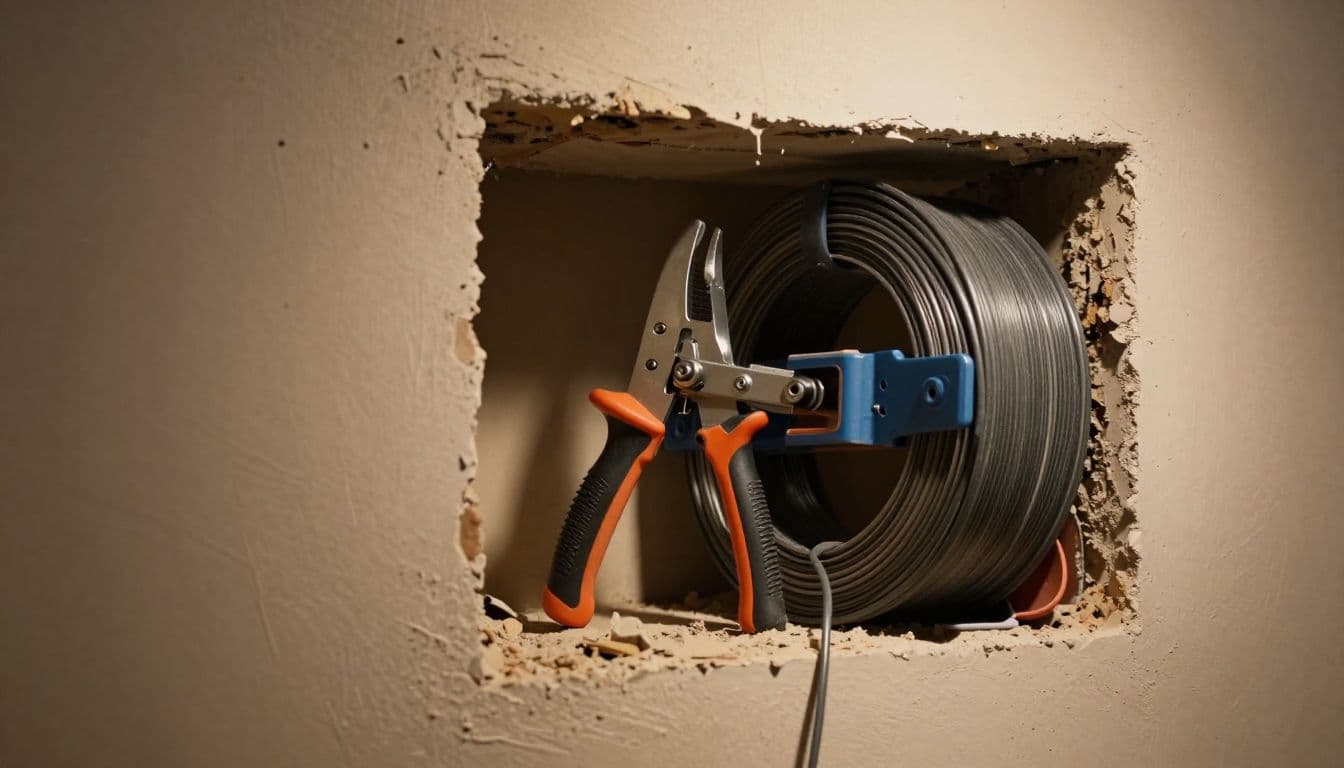
The electrician also checks that the cable is supported and protected inside the wall. A loose cable can rub against sharp edges, interfere with other work, or create problems during future renovations. Junctions must remain inside accessible electrical boxes, never buried behind plaster.
Older walls can make wire fishing unpredictable. A cable that should travel a few feet may meet a hidden brace or a patch from an earlier repair. Patience and controlled access usually produce a better result than pulling harder.
What to Check Before Opening an Older Plaster Wall
Older homes require extra caution because the wall cavity may contain more than framing and insulation. Before drilling or cutting, identify the location of existing utilities as accurately as possible.
Electrical cables: Never assume a wall is empty because an outlet or switch appears inactive. Older circuits may remain energized, and abandoned-looking wires may connect to another part of the home. Turn off the correct circuit and verify it with a tester.
Plumbing: Water supply lines, drainpipes, and heating pipes can run through walls. A small drill bit can puncture a pipe and cause serious water damage. Look for plumbing fixtures on both sides of the wall and below or above the planned route.
Structural framing: Studs, joists, headers, blocking, and other framing members support the building. Don't cut a structural member to create a cable route. If a planned opening conflicts with framing, change the route or ask a qualified professional to assess it.
Metal lath or mesh: Some plaster systems include metal reinforcement. Cutting it can create sharp edges and may produce dust or debris. It can also interfere with detection tools and make a standard drywall saw ineffective.
Lead paint: Homes built before 1978 may contain lead-based paint. Cutting, sanding, or scraping painted plaster can release hazardous dust. Keep dust contained, avoid dry sanding, and use lead-safe practices when the paint may contain lead.
Asbestos-containing materials: Asbestos may occur in some older insulation, joint compounds, pipe insulation, or other building materials. You can't identify asbestos by appearance alone. Stop work and seek testing or an asbestos professional if suspect material is exposed or disturbed.
A clean wall opening doesn't prove the cavity is safe. Utilities and hazardous materials can remain hidden several inches away from the first cut.
The home's wiring history also deserves attention. Some older properties contain aluminum branch-circuit wiring, knob-and-tube wiring, cloth-insulated conductors, or other systems that need evaluation before adding new work. If an inspection finds aluminum branch circuits, review qualified aluminum wiring repair services before extending or modifying those circuits.
Which Parts Can a Homeowner Handle?
Homeowners can often complete the planning and finish work, provided they don't disturb hazardous materials or perform electrical connections outside their ability and local requirements.
You can choose switch, receptacle, and light locations, clear furniture from the work area, provide access to an attic or basement, and photograph the wall before work begins. Marking the locations of known pipes and cables can also help the electrician plan a safer route.
Surface repair is another task some homeowners handle. After the electrician completes and tests the wiring, a plaster repair professional can patch the opening. Small holes may need a setting compound, mesh, or a compatible plaster repair product. Larger damaged areas may require replacement lath and several finish coats.
Electrical work is different. Installing a new circuit, modifying the panel, adding receptacles, making splices, or connecting permanent fixtures can require a permit and inspection. Requirements vary by location and by the scope of the work. A licensed electrician can identify the applicable rules and complete the work correctly.
Avoid energizing a new installation before it has been inspected when an inspection is required. Also, don't cover junction boxes or cable connections with plaster. Every splice must remain accessible inside an approved box with a proper cover.
The safest division of labor is straightforward: the homeowner plans access and finish repairs, while the electrician handles circuit design, cable installation, box connections, testing, and permit-related work.
When Fishing the Wire Isn't the Best Option
Running cable behind plaster is not always the least damaging or most practical choice. A concealed route may require several openings, extensive plaster repair, or difficult work around framing. In those cases, another wiring method may produce a cleaner result.
An electrician might route cable through an unfinished basement or attic, then enter the wall near the final device. A surface-mounted raceway can work in utility areas, workshops, garages, or commercial spaces where appearance is less important. In some rooms, wiring can pass through a closet or adjacent finished space, reducing visible damage.
Baseboard removal may provide access in certain homes, but don't pry it away without checking whether the plaster edge is attached or already fragile. Removing trim can pull away plaster and create a larger repair than the original electrical opening.
If a wall is scheduled for renovation, coordinate the wiring before new plaster, paint, paneling, or built-ins are installed. The same cable route is easier to reach before the finish surface goes up.
A useful route comparison looks like this:
| Wiring route | Main advantage | Main concern |
|---|---|---|
| Inside the plaster wall | Keeps the installation hidden | Requires careful fishing and wall access |
| Through an attic or basement | Provides easier access | May require drilling plates and protecting cable |
| Through a closet or adjoining room | Limits visible wall damage | The route may be longer |
| Surface-mounted raceway | Avoids opening plaster | Remains visible and needs careful placement |
The right choice depends on the wall, the circuit, and the finish you want. A short consultation before cutting can prevent unnecessary holes and repair costs.
Signs You Should Stop and Call an Electrician
Stop work if you find damaged insulation, brittle cloth-covered conductors, knob-and-tube wiring, aluminum wiring, unexplained junctions, or wires that don't match the circuit you turned off. These findings can indicate a larger electrical problem.
You should also stop if the wall contains crumbling insulation, unusual fibers, heavy dust, lead-painted surfaces, or suspected asbestos material. Keep people away from the area until the material is assessed.
Call a licensed electrician before starting when the project involves a new circuit, a panel connection, a service upgrade, a bathroom or kitchen receptacle, exterior wiring, or commercial equipment. These installations involve code requirements beyond simply getting a cable from one point to another.
A professional inspection can also identify overloaded circuits, missing grounding, improper splices, damaged boxes, or wiring that was installed during an earlier renovation. Adding new cable without addressing those conditions can leave the home's electrical system unsafe.
Conclusion
You can run wiring through plaster walls, but the job requires careful routing, controlled access, and a close check for hidden hazards. Plaster-and-lath construction can conceal utilities and structural members, while older homes may contain outdated wiring or hazardous materials.
Homeowners can plan device locations and arrange repairs, but licensed electrical work should cover circuit connections, boxes, testing, and permit requirements. The safest installation is the one that protects the wall, the wiring, and everyone who may open that wall again.