
Why a Light Switch Feels Warm in Greater Boston Homes

Contact Us
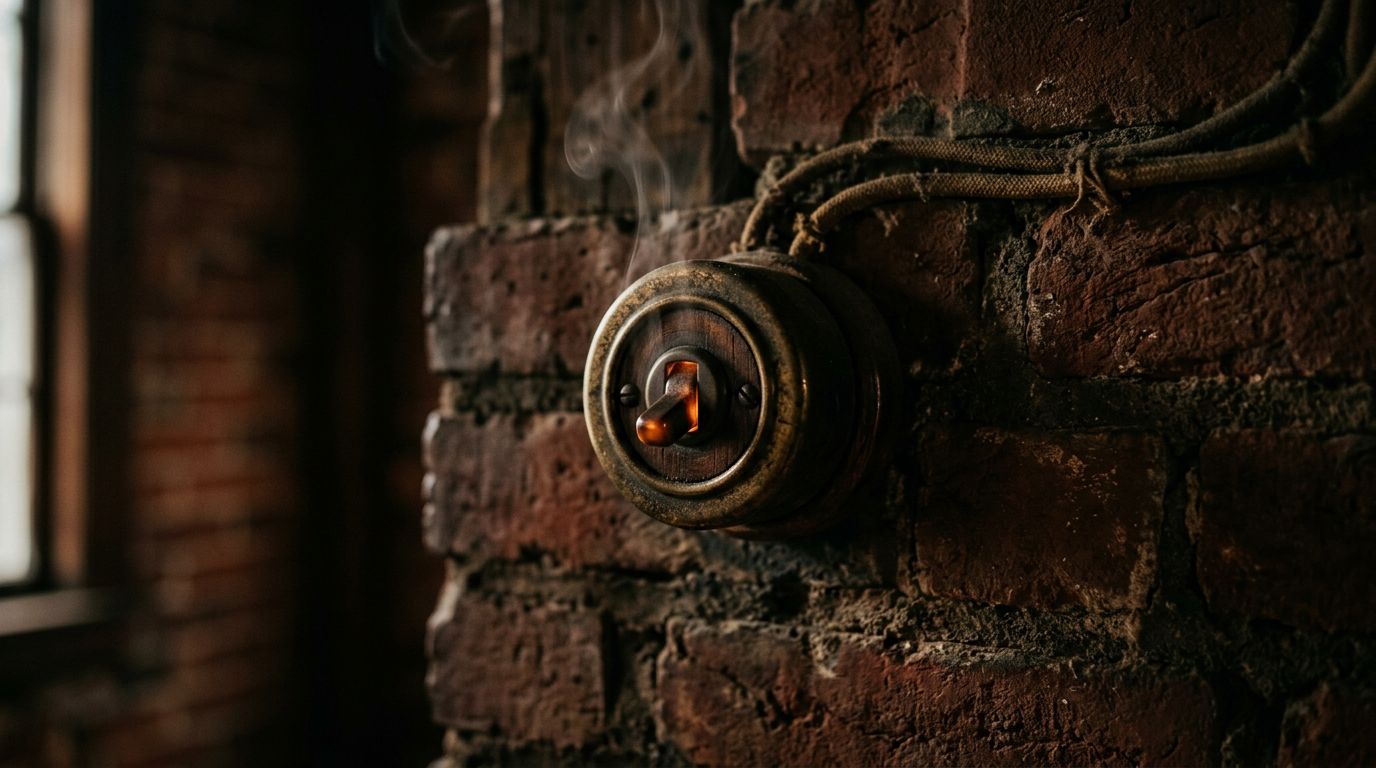
A light switch that feels a little warm can be harmless, but it can also be the first sign of trouble. In many Greater Boston homes, the difference comes down to the type of switch, the age of the wiring, and how much power the circuit is carrying.
The tricky part is knowing when to relax and when to pay attention. A warm light switch is sometimes normal, yet a switch that feels hot, smells odd, or changes color needs a closer look.
When a Warm Light Switch Is Normal
Some switches run warmer than others because electricity creates heat. Dimmers are the most common example. They work by controlling how much power reaches the light, and that process can make the switch body feel slightly warm.
That small rise in temperature does not always mean danger. A switch can also feel a bit warm after long use, especially if it controls several recessed lights or higher-output fixtures. In winter, when homes stay closed up and heating systems run hard, heat can feel more noticeable on interior walls too.
Still, there is a clear line between slightly warm and too hot to ignore . A switch is more likely to need attention when it does any of the following:
- feels hot enough that you pull your hand away
- shows yellowing, browning, or melted plastic
- buzzes, crackles, or flickers with the light
- gives off a burnt smell
A little warmth can happen with normal use. Heat that keeps building, or heat paired with other warning signs, is a different matter.
If a switch only feels mildly warm and the light works normally, the issue may be simple load or age. If the warmth keeps getting worse, the story changes.
Common Reasons a Switch Runs Hot
Several everyday problems can make a switch heat up. Some are minor at first. Others point to a real electrical fault.
Dimmers and high-wattage lighting
Dimmers often run warmer than standard switches because they handle more internal stress. That is even more noticeable when they control LED fixtures that were not matched well to the dimmer, or older bulbs that draw more power. High-wattage lighting can add extra load too, especially in kitchens, bathrooms, and finished basements.
Loose wiring or worn parts
A loose wire inside the switch box can create resistance. Resistance turns electricity into heat, so the switch gets warmer than it should. The same thing can happen when the switch itself is worn out, especially if it has been used for many years.
This kind of problem is easy to miss because the light may still work. However, heat from a poor connection can get worse over time, and that makes it harder on the switch, the box, and the wiring behind it.
Overloaded circuits
A switch can feel warm when the whole circuit is carrying more than it should. That may happen after a room gets renovated, after new lights are added, or when several devices share the same line. In some cases, the switch is only one symptom of a circuit that is already under strain.
When a circuit is overloaded, the breaker may trip, lights may dim, or the switch may feel warmer during peak use. The problem often shows up more clearly when several fixtures run at once.
A failing switch
Old switches wear out. The internal contacts can pit, loosen, or stop making a clean connection. When that happens, the switch may still flip on and off, but it does the job less efficiently. Heat is one sign that the parts inside are not doing their work well anymore.
Why Older Boston Homes Deserve Extra Attention
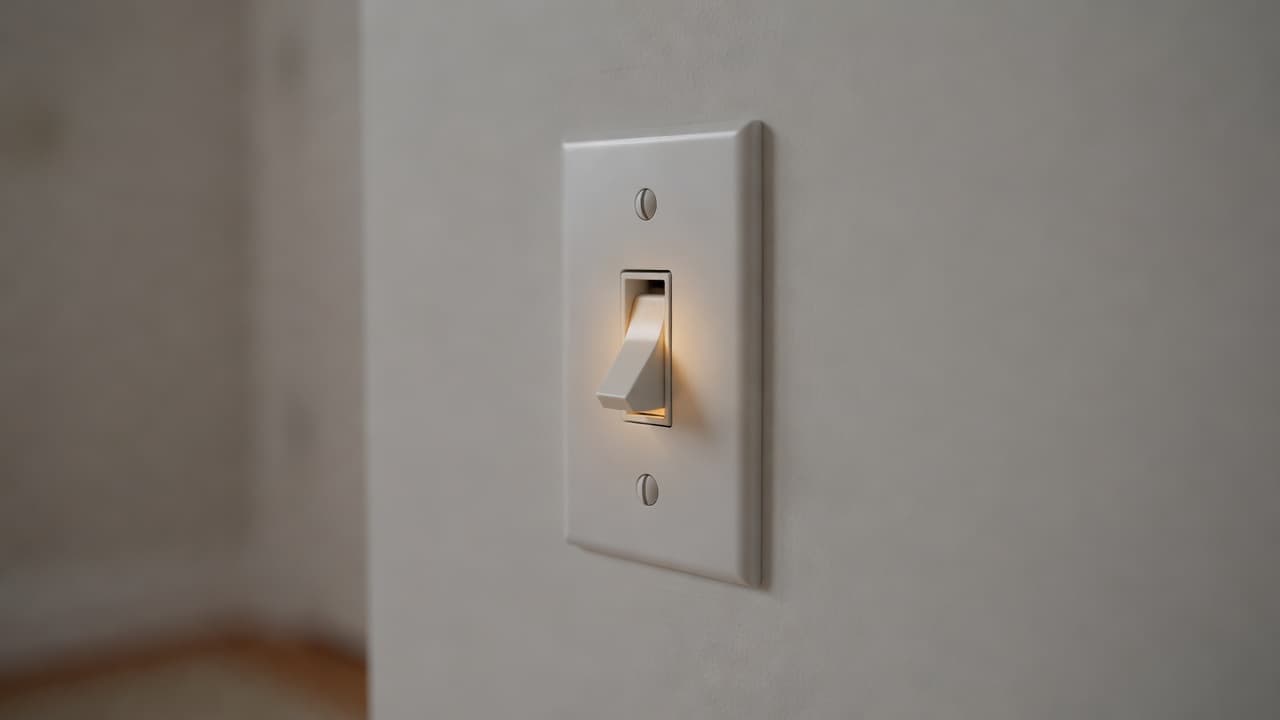
Many Greater Boston houses were built long before modern lighting loads became common. Older wiring, older electrical boxes, and mixed upgrades can make a warm switch more than a small annoyance. A switch that seems fine in a newer home may behave differently in a house with older cloth wiring, outdated boxes, or a patchwork of past repairs.
That is one reason a professional look matters. A licensed electrical inspection can show whether the heat comes from one switch, one circuit, or a larger issue in the system. It can also reveal loose connections, aging components, or code problems that are easy to miss from the outside.
If your home has had additions, kitchen updates, finished attic space, or new lighting, the wiring may no longer match the original electrical layout. That mismatch can put extra stress on switches and fixtures. In older homes across Boston, Cambridge, Somerville, Quincy, and nearby towns, that happens more often than people expect.
The safest next step is simple. Stop using the switch if it feels hot, smells burnt, or starts to discolor. Leave the circuit alone and call a licensed electrician. Do not remove the cover plate or try to tighten wiring yourself. Those repairs belong in the hands of someone trained to test the circuit and open the box safely.
Conclusion
A warm switch does not always mean danger. Often, it points to a dimmer, a heavy lighting load, or an aging part that is working harder than it should.
A hot switch, though, is a warning. When heat comes with buzzing, smell, discoloration, or flickering, the problem needs prompt attention.
In Greater Boston homes, older wiring and older boxes make that check even more important. When a switch stops feeling normal, treat it as a signal, not a nuisance.