
What an Overfused Circuit Means in Greater Boston Homes

Contact Us
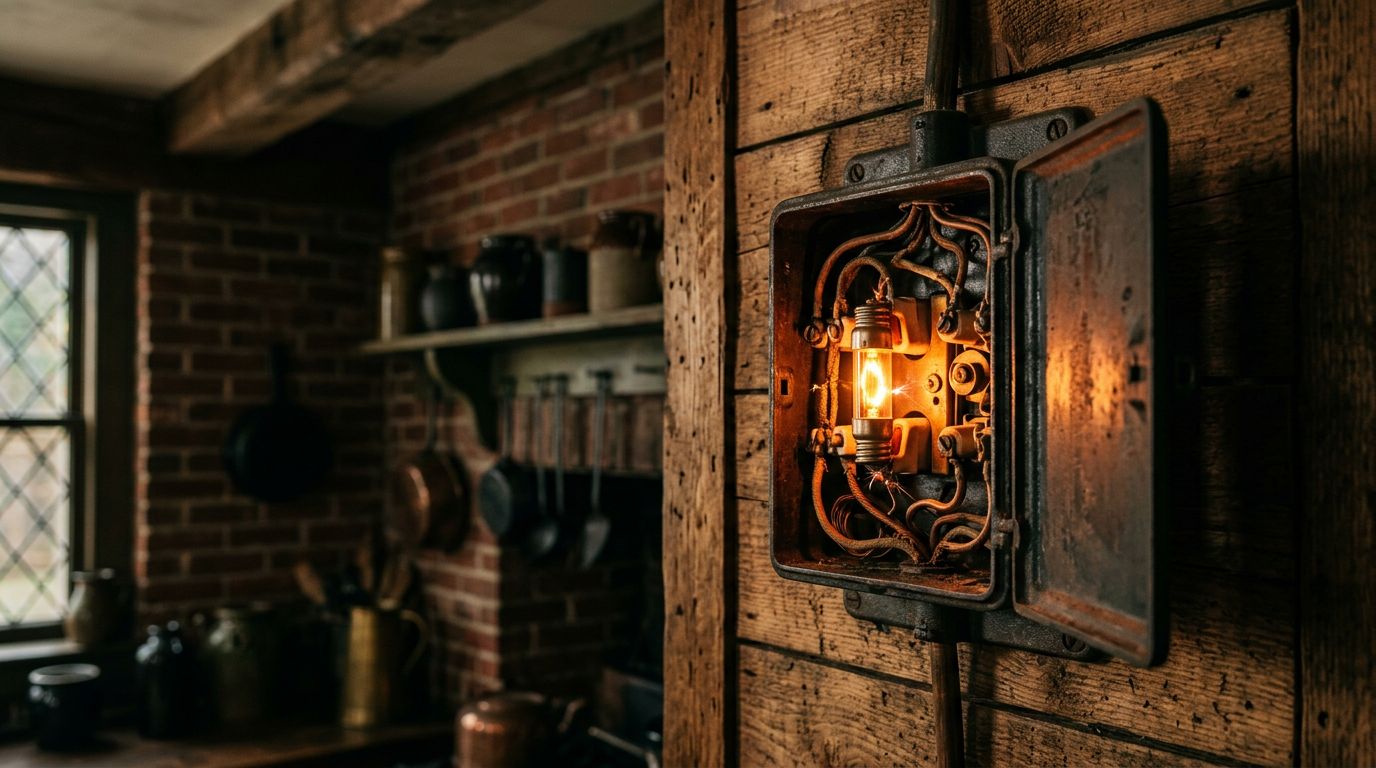
A fuse that keeps blowing can feel like a nuisance, but it may be telling you something important. In Greater Boston, older homes still rely on fuse boxes, legacy wiring, and circuits that were never meant for today's electrical load.
An overfused circuit happens when the fuse rating is higher than the wiring can safely handle. That mismatch can let too much current flow for too long, which creates heat where you cannot see it. The result can be damaged insulation, stressed connections, and a real fire risk.
What an overfused circuit really is
Every circuit has a safe limit. The wire size, the fuse size, and the connected devices all need to match up.
A fuse is supposed to protect the wire. If the circuit pulls too much power, the fuse should fail before the wire overheats. When someone installs a fuse that is too large for that circuit, the fuse may stay intact while the wire gets hotter than it should.
That is the heart of the problem. The electrical system still runs, so the danger can stay hidden. A lamp turns on, the fridge hums, and the space heater works, but the wire behind the wall may be carrying more heat than it was designed to handle.
Older homes are especially vulnerable because many were built for a lighter electrical load. A kitchen from the 1940s did not need to support microwaves, dishwashers, chargers, portable AC units, and home office gear all at once. When the load grows faster than the wiring, people sometimes respond by putting in a larger fuse. That can silence the warning without solving the cause.
Why older Greater Boston homes are more exposed
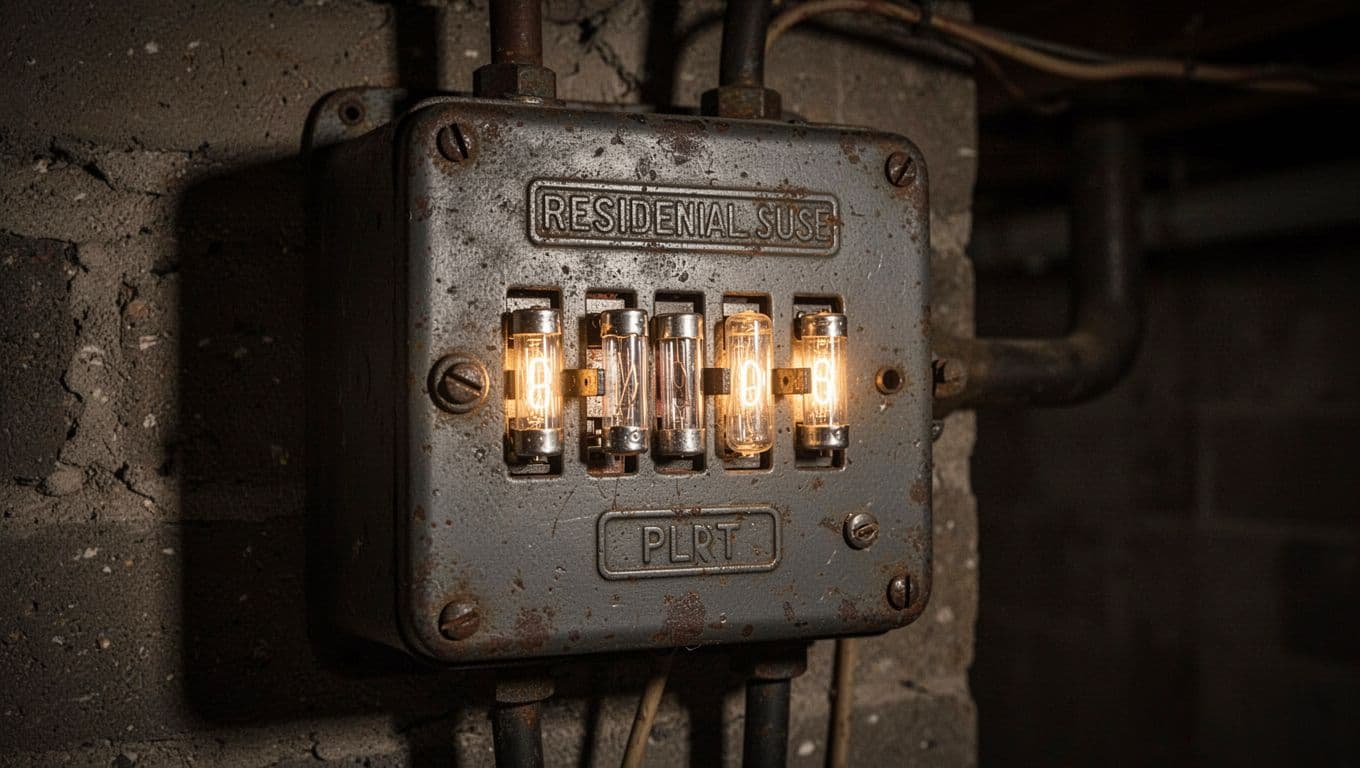
Many Greater Boston houses still have older electrical systems tucked into basements, utility closets, or narrow service spaces. Triple-deckers, capes, older colonials, and brick homes often went through decades of additions and repairs. The electrical system may reflect every one of those changes.
That history matters. A house may have original cloth-covered wiring in one part, a later fuse box in another, and a few newer circuits added over time. When repairs happen in pieces, the system can end up with mixed parts that do not match neatly.
Modern life adds another layer. Boston-area winters push people to use space heaters and dehumidifiers. Summers bring window AC units and fans. Kitchens now carry more gadgets, and finished basements often hold computers, TVs, and chargers. The load keeps climbing while the wiring stays the same.
A fuse that is too large can hide a problem instead of solving it.
When that happens, the circuit may stop tripping, but the wire is still under strain. That is why overfusing is so often tied to older homes, not newer ones.
Signs a circuit may be overfused
The warning signs are often subtle at first. A homeowner might notice one outlet that gets warm, a fuse that fails after a heavy appliance turns on, or lights that dip when the microwave starts. Sometimes the clues show up near the fuse box, and sometimes they show up in the room that uses the circuit most.
Here is a quick way to read the signs.
| Sign | What it may point to | Why it matters |
|---|---|---|
| Fuse blows often | The circuit may be overloaded, or someone may have installed the wrong fuse size | Repeated stress can wear on wiring and connections |
| Lights dim when appliances start | The circuit may be near its limit | Heat can build up as the load rises |
| Warm outlet or cover plate | Current may be passing through a weak or overloaded path | Heat can damage insulation and devices |
| Burning smell, discoloration, or buzzing | Possible overheating near the fuse box or a connection point | This needs prompt attention |
If you notice any of these patterns, do not treat them as random annoyances. They are often the first clue that the protection on the circuit no longer matches the wiring behind it. A professional electrical system evaluation can sort out whether the issue is one circuit, one appliance, or a larger problem in the home.
A single blown fuse does not always mean overfusing. Still, repeated symptoms deserve a closer look, especially in an older Boston home with a fuse panel that has seen several decades of use.
Why the risk goes beyond a tripped fuse
An overfused circuit is risky because the fuse stops doing its main job. Instead of opening quickly, it may allow too much heat to build in the wire.
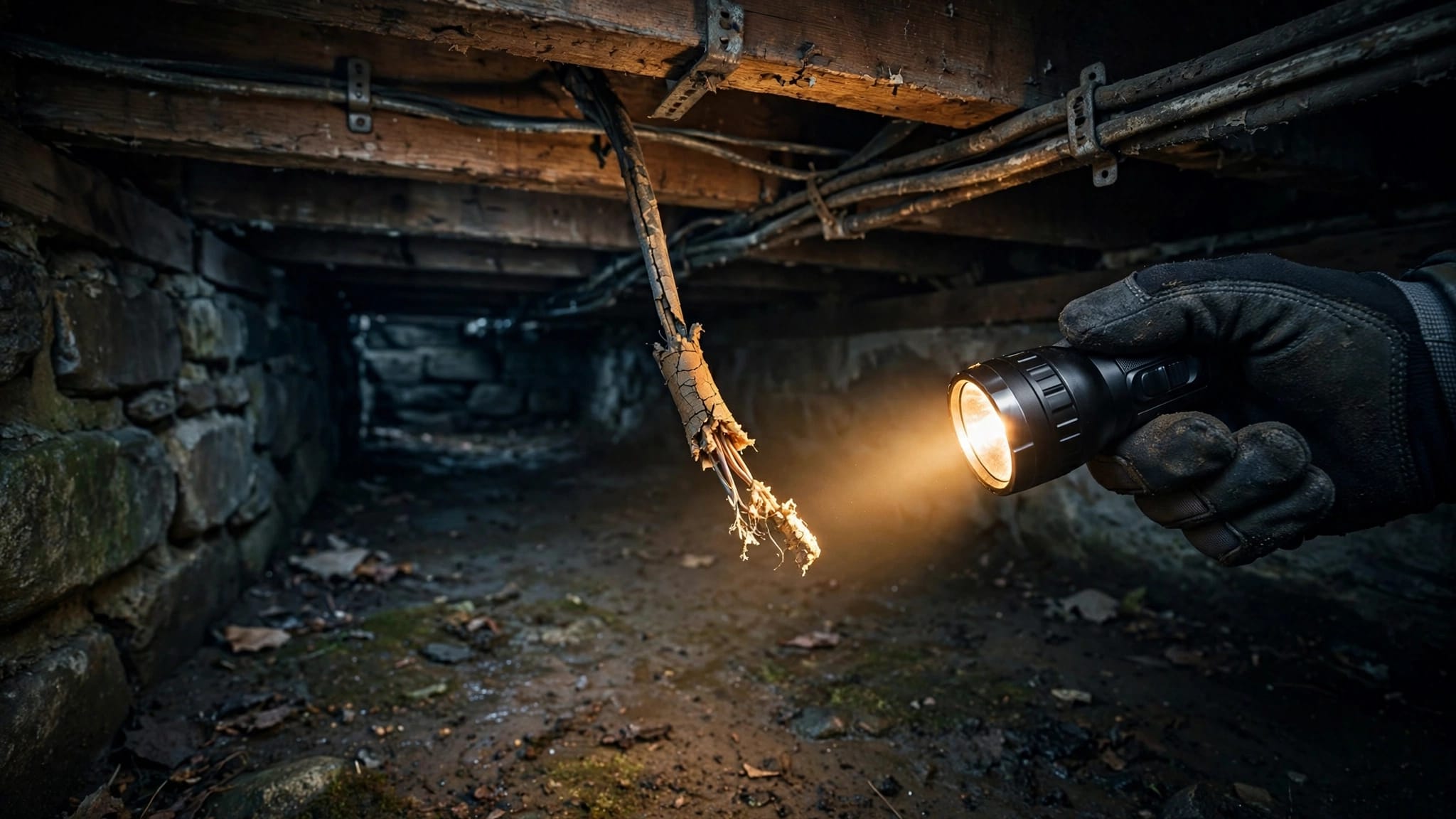
That heat can damage insulation over time. In older homes, the situation can get worse if the wiring is already brittle, cloth-covered, or patched with older connections. Loose splices and worn outlets also become more vulnerable when the circuit runs hot.
The problem is not always dramatic. Often, the damage happens slowly. A little extra heat here, a softened wire jacket there, and a connection that loosens over time. Then one day the circuit starts acting up more often, or a burnt smell shows up near the panel.
Fire risk is the most serious concern, but it is not the only one. Overheating can shorten the life of appliances, damage outlets, and create hidden faults inside walls. Those hidden problems are what make overfusing so frustrating. The home may seem fine until the system has already been under stress for a long time.
What a licensed electrician checks and when upgrades help
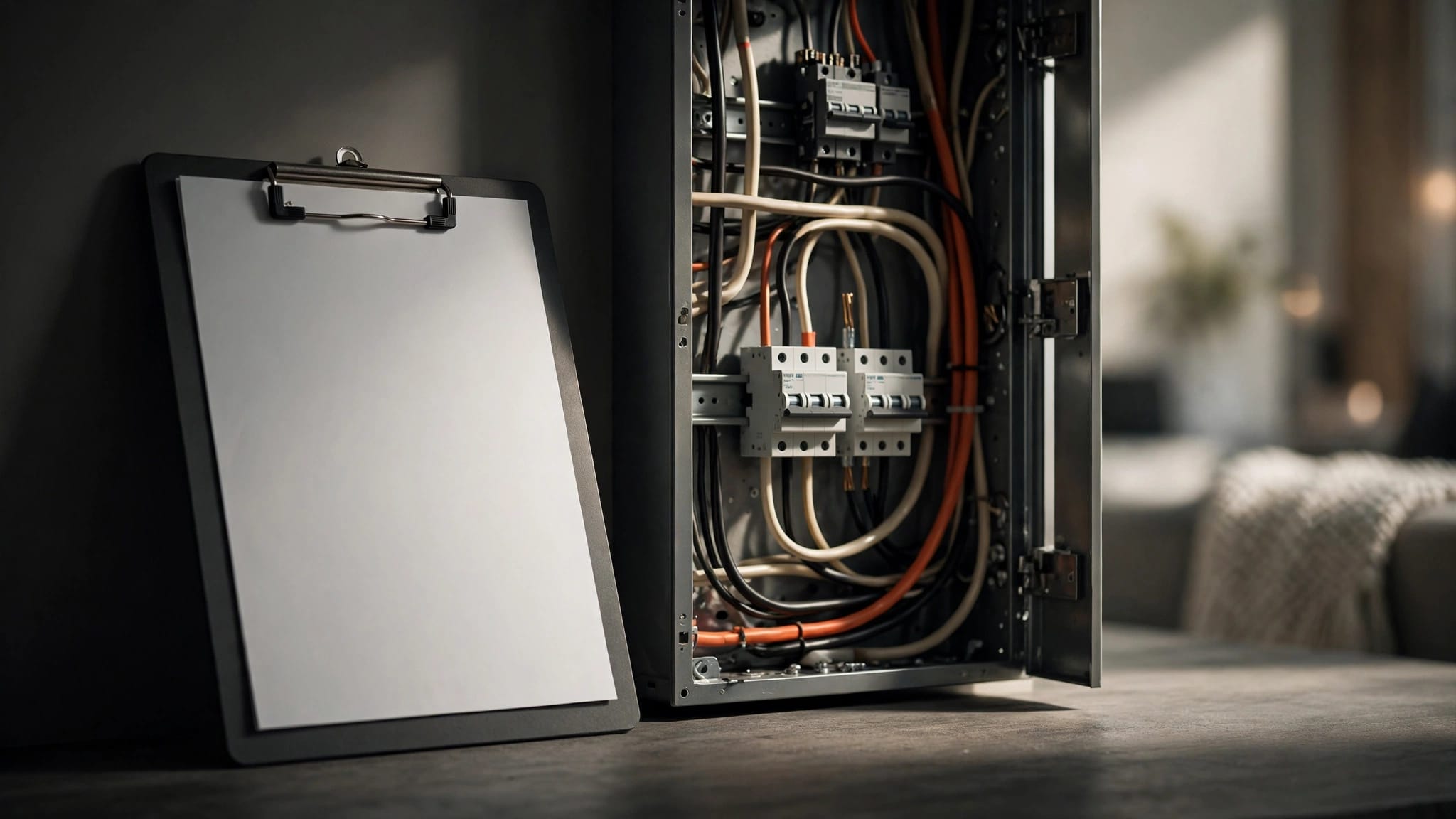
When overfusing is suspected, a licensed electrician looks at the system as a whole, not just the fuse that failed. The goal is to match the protection to the wiring, the panel, and the actual load in the home.
That review may include fuse ratings, circuit labels, outlet condition, visible signs of heat damage, and the age of the wiring. In some cases, an electrician may use infrared testing to spot warm areas that point to hidden stress. That kind of inspection can be especially useful in older homes where trouble may be buried behind finished walls.
Sometimes the fix is small. A circuit may need to be reworked so the protection matches the wire. In other cases, the home needs a larger update, such as new dedicated circuits or a panel upgrade. If the fuse box is old enough, a replacement can bring the whole system up to a safer standard.
A proper upgrade does more than clear up a single nuisance. It gives the home room for modern use without pushing outdated wiring past its limits. If you are weighing that kind of work, master electrician services can cover inspections, panel changes, and related electrical upgrades in one plan.
That matters in Greater Boston, where many homes have been remodeled in layers. A good electrician can tell the difference between a simple overload and a system that is asking for a bigger fix. That judgment is hard to make from the outside, which is why fuse problems are best left to a trained pro.
Conclusion
An overfused circuit is a sign that the protection and the wiring no longer match. In an older Greater Boston home, that mismatch can hide for years before it turns into heat, damage, or a fire hazard.
The safest response is a careful inspection by a licensed electrician, especially if the home still has a fuse box or legacy wiring. When the system is updated the right way, it protects the house the way it should, without asking old wires to carry a modern load they were never built for.