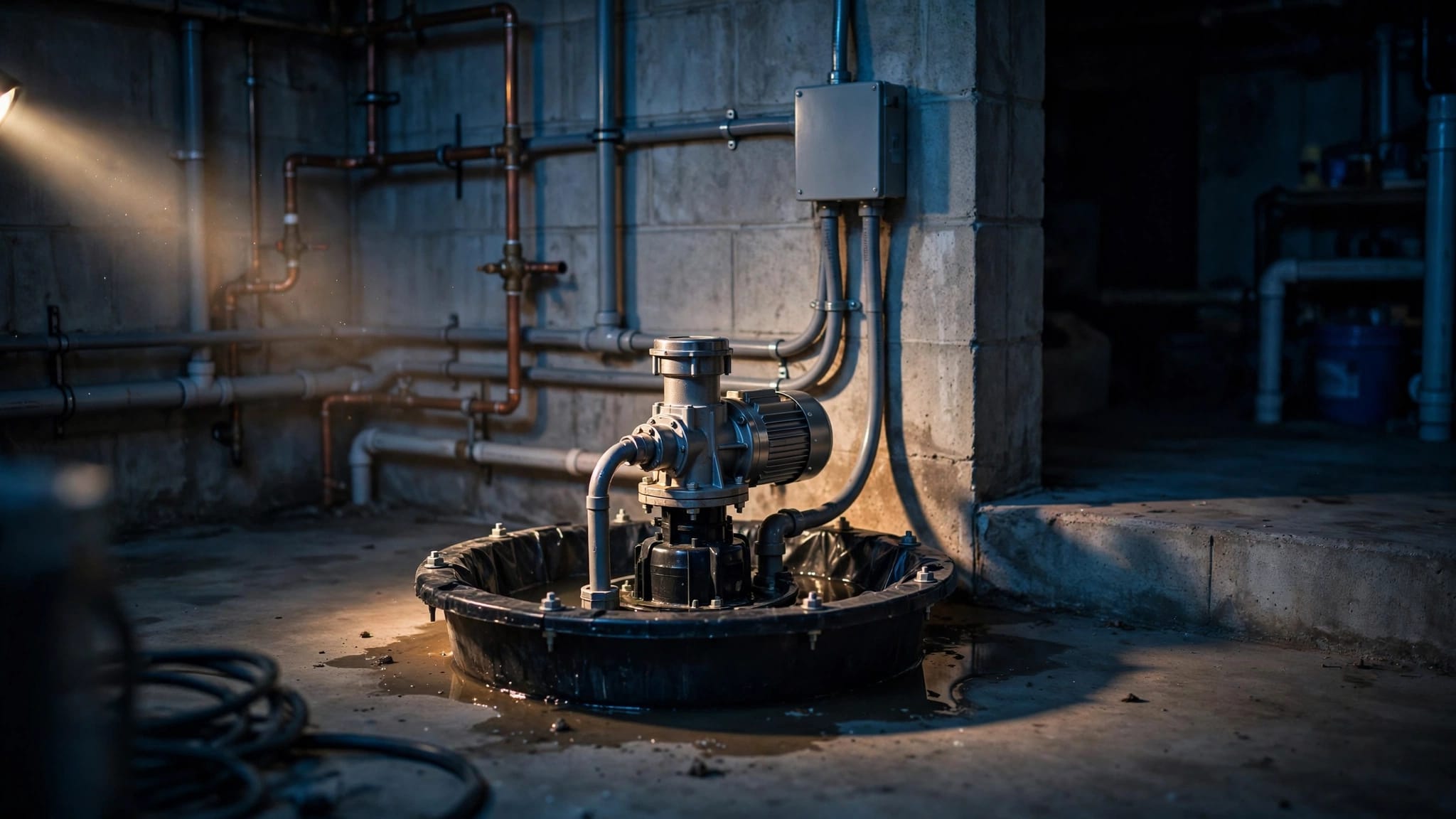

Why Half Your House Lost Power in Greater Boston

Contact Us
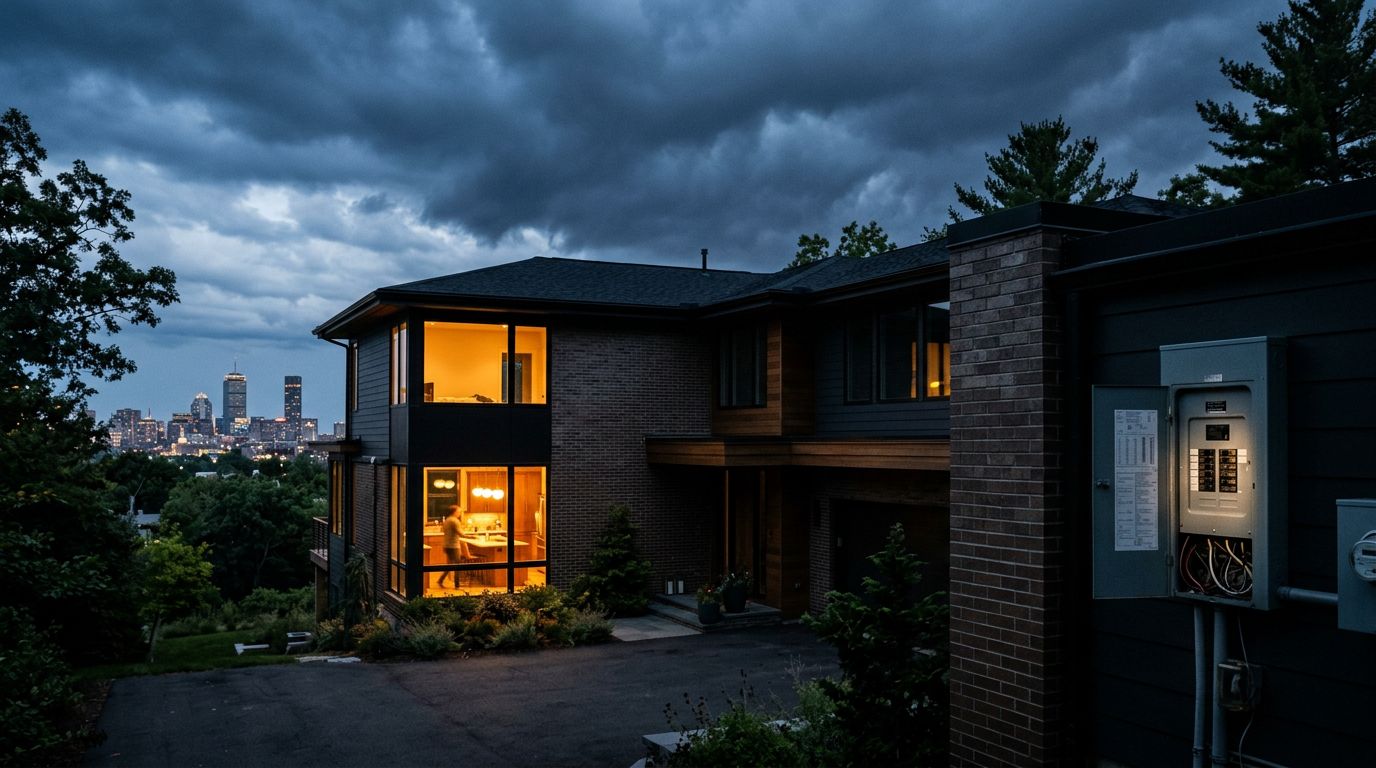
When half your house loses power, the problem usually isn't random. In many Greater Boston homes, it points to one leg of the electrical service, a panel issue, or a utility-side fault. Older wiring, coastal storms, and overhead lines can all make the symptom show up at the worst time.
Some causes are simple enough to spot. Others can mean heat, loose connections, or a failing main component. A few safe checks will help you decide whether this is a quick reset or a call for service.
How split-phase power makes half a house go dark
Most homes in the area use split-phase power. The utility brings in two hot legs, and each one feeds a different set of 120-volt circuits. That is why your kitchen lights might still work while bedrooms, a hallway, or the basement go dark.
When one leg drops out, anything tied to that side of the panel loses power. Some 240-volt appliances can also stop working because they need both legs to run. A dryer may stay dead, or a range may act strangely.
This is why the outage pattern matters. The dark rooms may seem unrelated, but the panel often tells the story. A breaker layout does not always match the shape of the house.
A partial outage often follows the panel layout, not the room layout.
That simple detail helps narrow the problem fast. It also explains why a light in one room can be fine while an outlet just across the hall is dead.
What usually causes the outage
A tripped breaker is the easiest answer, but it does not explain every case. In older homes, several circuits can share the same leg, so one fault can knock out a whole side of the house. That is common in older Boston colonials, triple-deckers, and renovated homes with added loads.
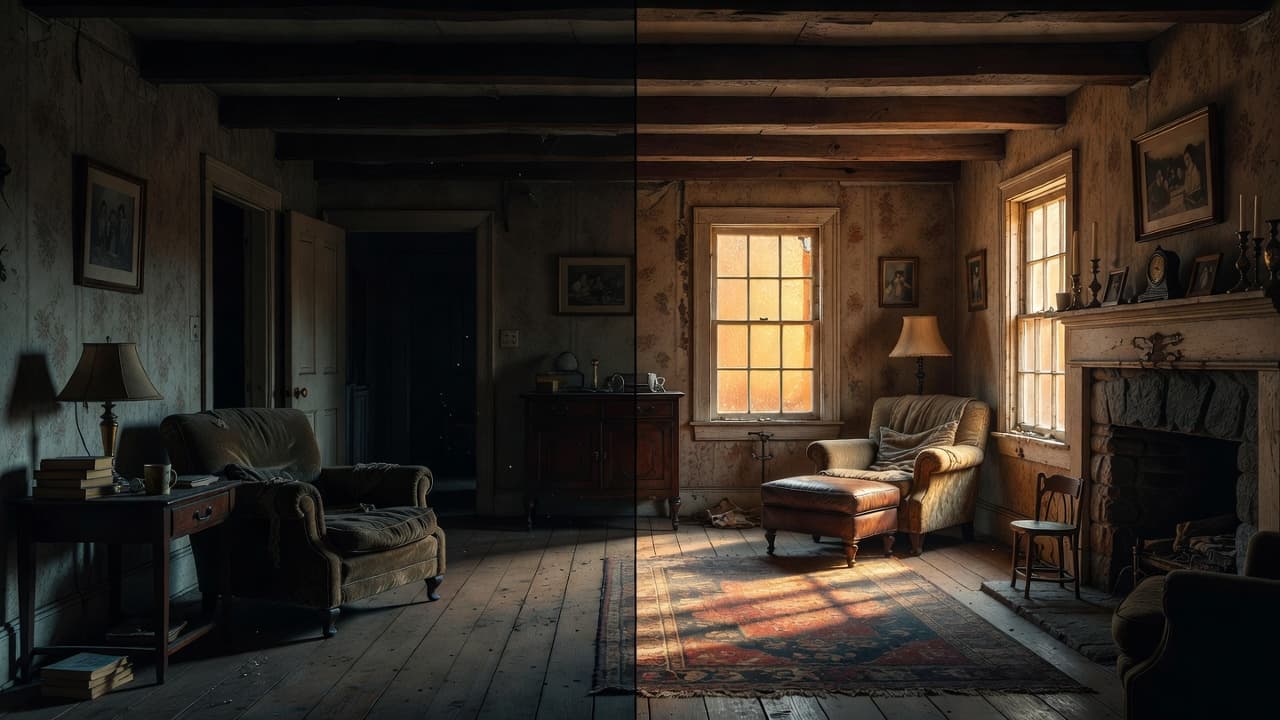
The usual causes include these:
- One breaker tripped or failed, so part of the panel stopped feeding power.
- A main breaker or bus bar connection overheated and opened the circuit.
- A loose service wire at the meter, mast, or panel caused one leg to drop out.
- The utility lost one hot leg after wind, ice, or tree contact.
- Corrosion or water damage weakened equipment in a damp basement, garage, or exterior box.
In Greater Boston, aging panels and weather exposure make these issues more common than people expect. A home can look fine from the outside and still have a worn connection inside the panel.
Sometimes the pattern is even more telling. If the dead rooms all sit on the same side of the panel, the issue may be inside the house. If lights flicker across the home before the outage settles in, the service connection may be failing.
Safe first checks you can make right away
Start with the easy clues. If the outage affects several homes on the street, call the utility. If only your home is dark on one side, the issue is more likely inside the service or panel.
Then walk through the basics without taking risks:
- Check whether nearby homes are out too.
- Look for a tripped breaker, but do not remove the panel cover.
- Reset GFCI outlets in kitchens, baths, basements, and garages.
- Turn off heavy loads, then try one breaker reset if you know which circuit is affected.
- Keep away from any panel area that feels wet, warm, or smells burnt.
- Unplug sensitive electronics until the power stays steady again.
If a breaker trips again right away, stop there. That means the fault is still active. Repeated resets can make heat and damage worse.
A dead half of the house can feel urgent, but patience helps. A careful check of the obvious items can separate a small nuisance from a real electrical problem. It also keeps you from poking around in a panel that may already be stressed.
If the breaker labels are faded or the panel looks crowded, resist the urge to guess. Older homes often have circuits that were added over time, and the labeling may no longer match the wiring.
When the problem is a warning sign
A breaker that won't stay reset, a panel that feels warm, or a faint burning smell can point to a failing main connection or an overheated component. A loose neutral can be even riskier because voltage can swing up and down across the home.
Heat, buzzing, or scorch marks turn a partial outage into an urgent repair.
That is the time to stop testing and get help. A licensed electrician can open the panel, check the main lugs, test the load side, and look for heat damage. In some homes, infrared testing can show a hot breaker or connection before it fails completely.
If the panel is old or damaged, breaker panel installation and replacement may be the right long-term fix. That is especially true when the panel has rust, scorch marks, double-tapped breakers, or signs of repeated overheating.
Utility problems can also look similar. A damaged service drop, a bad connection at the weather head, or a fault on the transformer side can take out one leg and leave the rest of the house limping along. In that case, the electric company has to restore the supply first.
A partial outage is never something to ignore when the symptoms point to heat. Burning insulation, a sizzling sound, or a breaker handle that feels loose are all signs to back away. Those problems can get worse fast.
Why Greater Boston homes see this more often
This problem shows up often in older neighborhoods because the housing stock is old. Many homes still have panels that were sized for fewer appliances, fewer electronics, and smaller HVAC loads.
That matters when a house now runs a fridge, freezer, dishwasher, microwave, window AC units, a home office, and maybe an EV charger or backup generator connection. A system that once felt roomy can get tight over time.
Winter storms, heavy rain, and salt air also take a toll. In some streets, overhead service lines bring wind damage, ice load, and broken tree limbs. Even a brief outage can leave a weak connection behind.
Multi-family homes and renovated older houses can be tricky too. New circuits are sometimes added to old panels, and that mismatch can hide a tired breaker or overloaded leg until one side of the home goes dark.
Basements add another layer of risk. Damp air, corrosion, and past water intrusion can wear on panel parts and service equipment. A connection that looks minor can turn into a real failure once the load picks up.
If the power problem is on the utility side, you may need to wait for restoration. If it is inside the home, the fix should start with a proper inspection. Either way, the pattern tells you where to look first.
The Bottom Line on a Partial Power Loss
When half your house lost power, the pattern itself is the clue. It usually means one leg of the service, one part of the panel, or the utility feed has failed.
Some cases end with a simple breaker reset. Others point to heat damage, a loose main connection, or a service problem that needs prompt attention.
Treat buzzing, heat, burning smells, and repeated trips as a warning, not a nuisance. In a Greater Boston home, a partial outage is one of the clearest signs that the electrical system needs a closer look.