

Why Smoke Detectors Keep Chirping in Greater Boston Homes

Contact Us
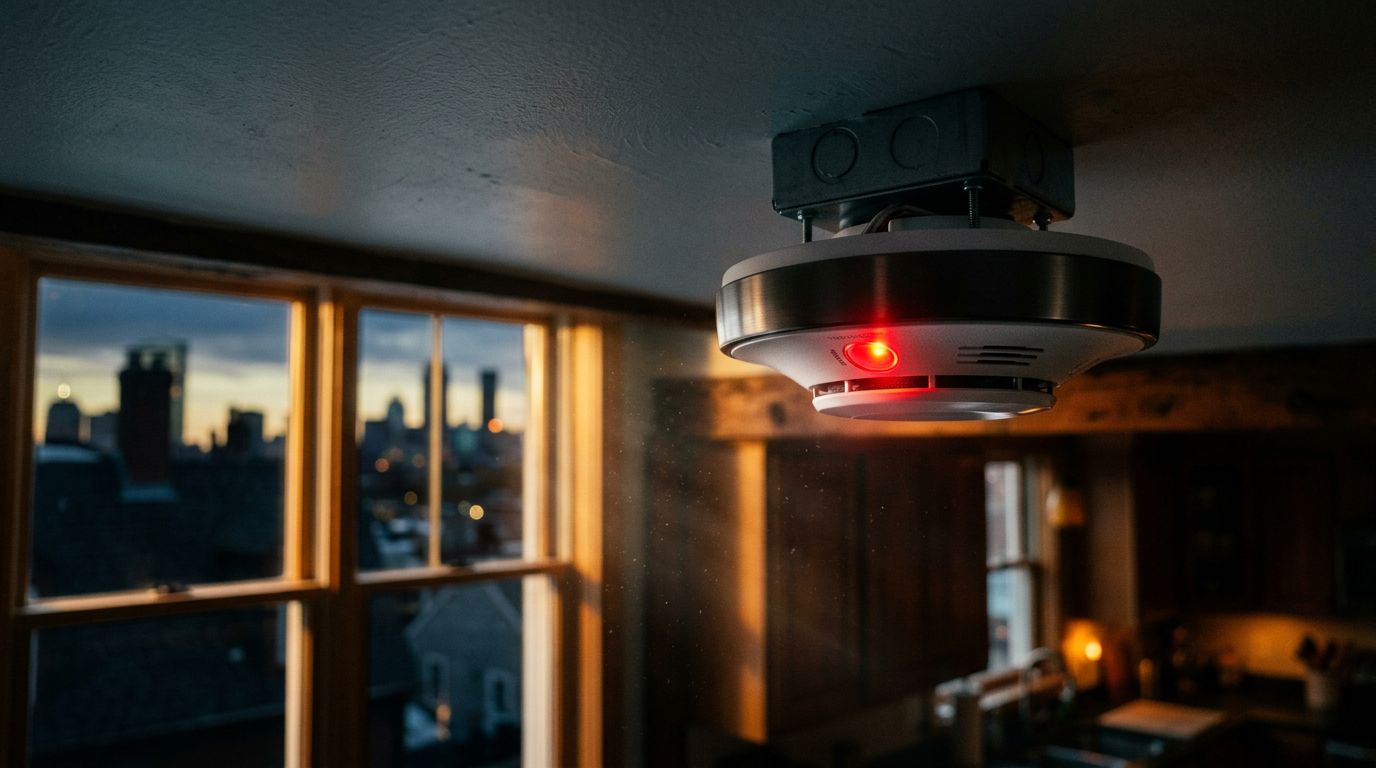
A smoke detector that chirps in the middle of the night can make a quiet house feel broken. Usually, that sound is a warning, not an emergency, but it still needs attention.
In Greater Boston homes, the cause is often simple. A low battery, a dusty sensor, or an aging unit can all trigger smoke detector chirping . Cold attics, humid bathrooms, and the seasonal temperature swings that come with New England weather can make the problem worse.
Chirping, beeping, and a full alarm are not the same sound
A brief chirp usually means the detector wants service. Beeping is different, because it often points to a repeated warning pattern or a test signal. A full alarm is the loud, steady sound that tells you to treat the situation as smoke or fire.
| Sound pattern | What it often means | What to do |
|---|---|---|
| One short chirp every 30 to 60 seconds | Low battery, dust, or end-of-life warning | Check the battery, clean the unit, and read the date stamp |
| Repeating beeps in a set pattern | Trouble signal, warning mode, or model-specific alert | Check the label, then follow the reset steps for that unit |
| Loud, continuous alarm | Smoke, fire, or active test mode | Leave the home if there is any smoke or heat |
A chirp is a warning. A full alarm is a signal to leave.
If the sound is short and spaced out, start with maintenance. If it is loud and steady, move fast and treat it as a safety issue first. The detector's pattern tells you a lot before you ever touch the battery door.
Why New England homes trigger nuisance chirping
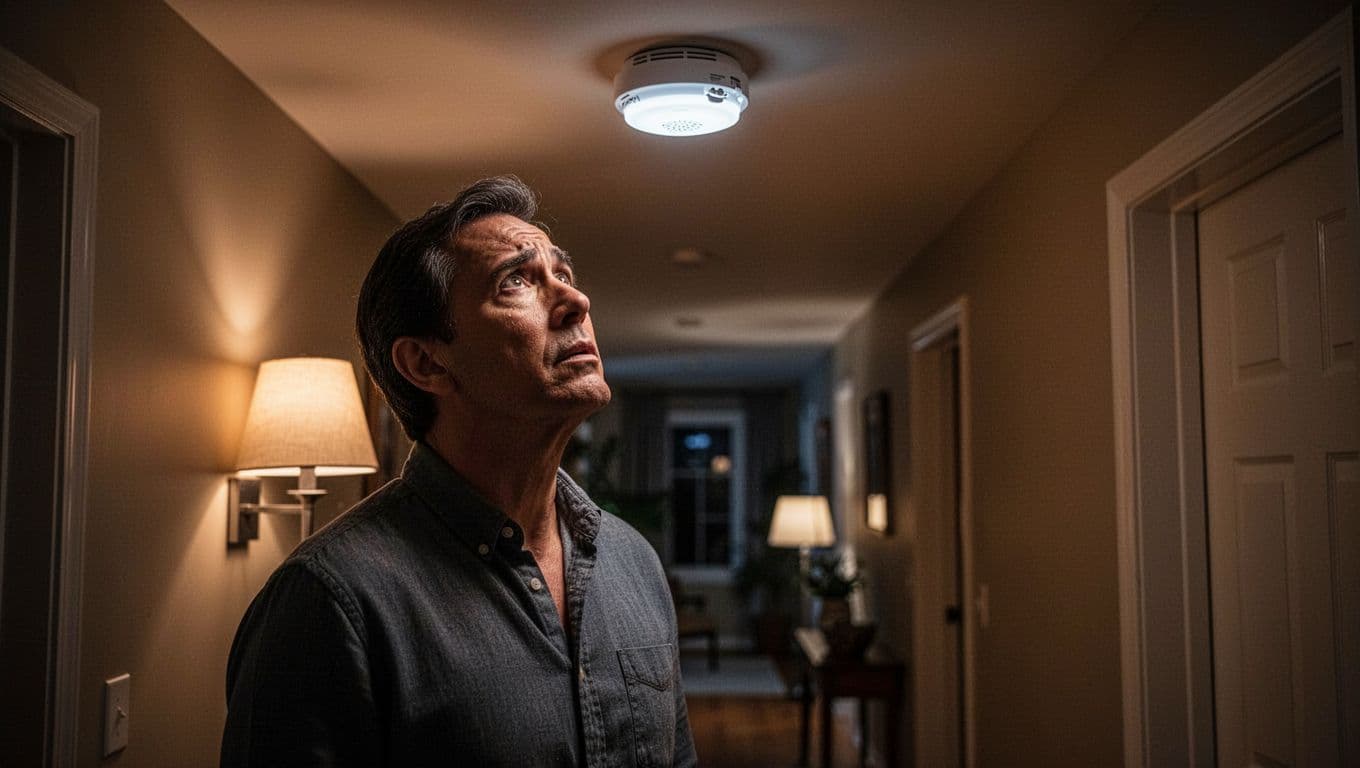
Greater Boston homes ask a lot from smoke alarms. Older plaster ceilings, cold attic spaces, damp basements, and long heating seasons all create stress for detectors. A unit that sits near a bathroom, laundry area, or kitchen may also react to steam and airborne particles.
Dust is a common culprit. It settles inside sensor chambers and blocks airflow, so the detector starts chirping even when nothing is wrong with the battery. Humid bathrooms can cause the same kind of nuisance signal, especially after hot showers on a sticky summer day.
Seasonal temperature changes matter too. In winter, attic and hallway temperatures can drop fast. In summer, humidity rises and batteries can weaken faster. Those swings are normal in New England, but smoke detectors notice them.
Common local triggers include:
- Dust buildup in vents and sensor openings.
- Steam from showers, laundry, or cooking.
- Cold attics and unheated rooms.
- Seasonal shifts that expose weak batteries or loose connections.
Hardwired units can chirp for another reason. A brief outage, a tripped breaker, or a loose connection can send a trouble signal. If several detectors start acting up around the same time, the issue may be electrical instead of isolated to one alarm.
Safe troubleshooting steps to try first
Start with the easiest checks before you replace anything. A careful reset can save time, but it should never replace a real repair.
- Find the exact unit making the sound. The chirp can seem louder in one room than it is in another.
- Open the battery compartment and replace the battery with the exact type listed on the unit. The size and style matter, so match what the label shows.
- Check the manufacture date on the back or side of the alarm. If the detector is about 10 years old, replace it. A fresh battery does not fix an old sensor.
- If the unit is hardwired, check the breaker panel. If the breaker tripped, reset it once and see whether the chirp stops. If it trips again, stop there.
- Vacuum the detector with a soft brush attachment. Dust and cobwebs can interfere with the sensor and create false chirping.
- Close the battery door, remount the unit if needed, and press the test button. If the chirp comes back after a reset, the alarm needs more than a battery.
Some newer models use a sealed 10-year battery. When those units start chirping near the end of life, the whole detector usually needs replacement. Forcing the cover open or swapping parts will not solve the problem.
When a chirp is a quick fix and when it needs a pro
Some smoke detector chirping problems end with a battery swap. Others point to wiring trouble or a detector that has aged out. The difference shows up fast if you know what to watch for.
| Likely a simple fix | Time to call a professional |
|---|---|
| Chirp stops after a fresh battery | Chirp returns after a reset |
| Dust or steam caused the warning | Hardwired unit trips the breaker again |
| Detector is under 10 years old | Unit is cracked, discolored, or over 10 years old |
| One alarm chirps after a shower or outage | Several alarms chirp at once or the pattern changes |
If the detector is hardwired or part of a larger alarm setup, professional fire alarm installation can help confirm the wiring, the breaker, and the replacement model are right for the home. That matters when the alarm keeps chirping after a battery change, because the problem may sit in the connection, the base, or the unit itself.
A licensed electrician can trace the circuit and see whether the issue is local or part of a bigger power problem. In older Greater Boston homes, that check is often faster and safer than guessing. It also keeps you from replacing the wrong device.
Final Thoughts
A chirping detector usually points to a battery, dust, humidity, a breaker issue, or an alarm that has reached the end of its life. The sound is annoying, but it is also useful. It tells you the detector wants attention before you need it for real.
If the alarm is under 10 years old, start with the battery, the date stamp, and the breaker. If it still chirps after those checks, treat it as a failing detector or a wiring problem. That is especially true in Greater Boston homes, where old construction and seasonal swings can make nuisance chirping more common.
When a smoke detector stays quiet after a proper reset, the fix was simple. When it does not, the safest next step is replacement or a professional inspection.