
Solar Panel Electrical Upgrade: Does Your Home Need One?

Contact Us
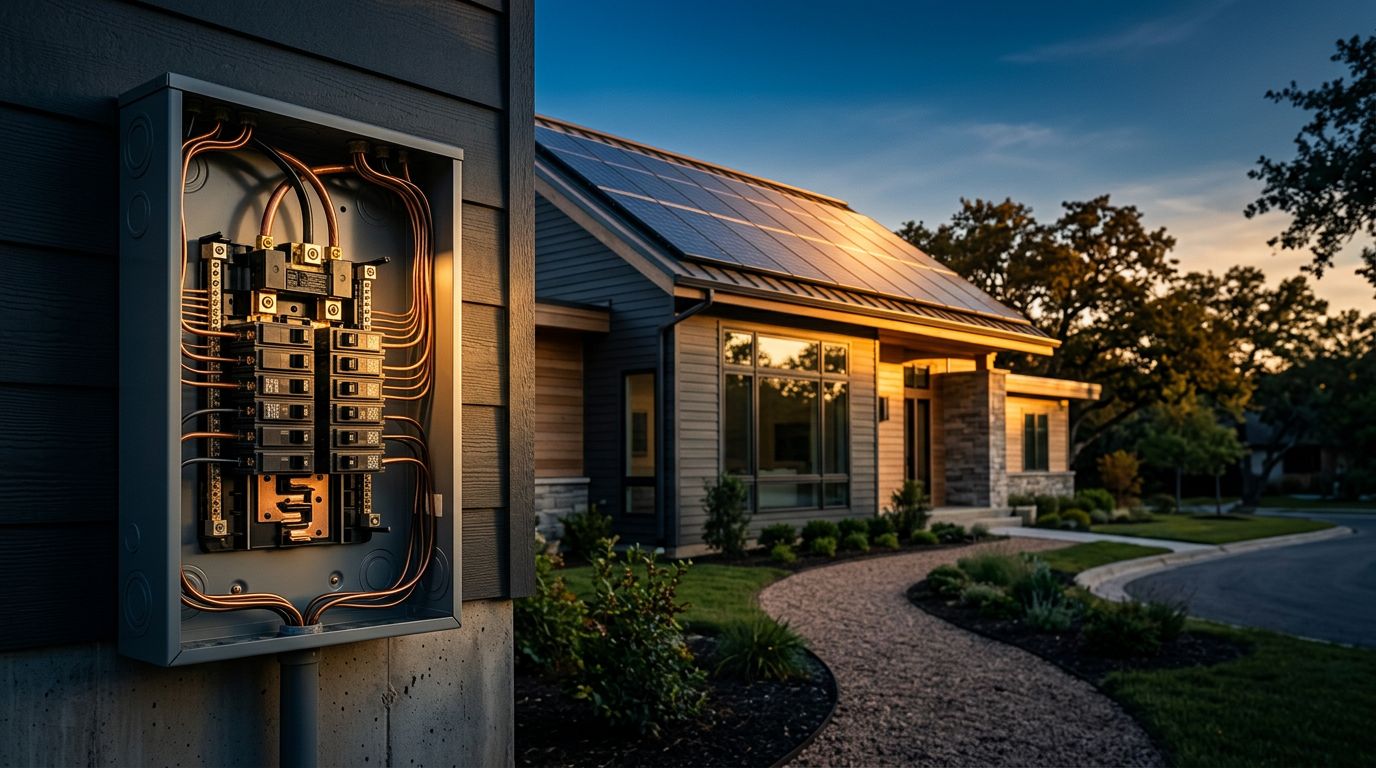
Solar panels can lower your electric bill, but your existing electrical service may not be ready for the equipment. A solar panel electrical upgrade might involve a new breaker, a larger panel, a service replacement, or no major electrical work at all.
The answer depends on your panel's capacity, service size, condition, wiring, and the way the solar system connects to the utility grid. A licensed electrician must evaluate those details before installation begins. Start with the electrical panel, because it determines what your home can safely handle.
Key Takeaways
- Solar panels don't automatically require a complete service upgrade.
- An electrician must check panel capacity, busbar ratings, service size, wiring, grounding, and available breaker space.
- Older 60-amp or 100-amp services may need replacement, but amperage alone doesn't determine the answer.
- The utility and local building department must approve the interconnection and required permits.
- Ask for a written electrical assessment, project scope, permit plan, and itemized price before work starts.
When a Solar Panel Electrical Upgrade Is Necessary
Solar panels produce electricity through an inverter. That inverter connects to your home's electrical system through a dedicated circuit breaker or approved connection method. The solar power then supplies your home first, while excess electricity may flow back to the utility grid.
Your panel must handle that additional source safely. If the existing equipment lacks capacity, the installer may need to upgrade part of the electrical service before connecting solar.
Common reasons for an upgrade include:
- The panel has no open breaker spaces.
- The panel's busbar rating can't support the planned solar backfeed.
- The home has an older fuse box or obsolete breaker panel.
- The existing service is too small for the home's total electrical demand.
- The panel shows corrosion, overheating, damaged breakers, or other defects.
- The service equipment doesn't meet current code requirements.
- The utility requires a different service configuration for interconnection.
A full upgrade isn't always necessary. In some homes, an electrician can install a properly sized breaker in an existing panel. In others, the contractor may use a load-side connection, a supply-side connection, a larger panel, or a system design that limits inverter output.
The correct choice depends on the equipment and the site's electrical conditions. A solar salesperson shouldn't make that decision from a photograph of your panel.
A 200-amp service doesn't automatically guarantee that solar can connect safely. The panel's busbar rating, breaker arrangement, and calculated load also matter.
How Electricians Check Your Existing Electrical Service
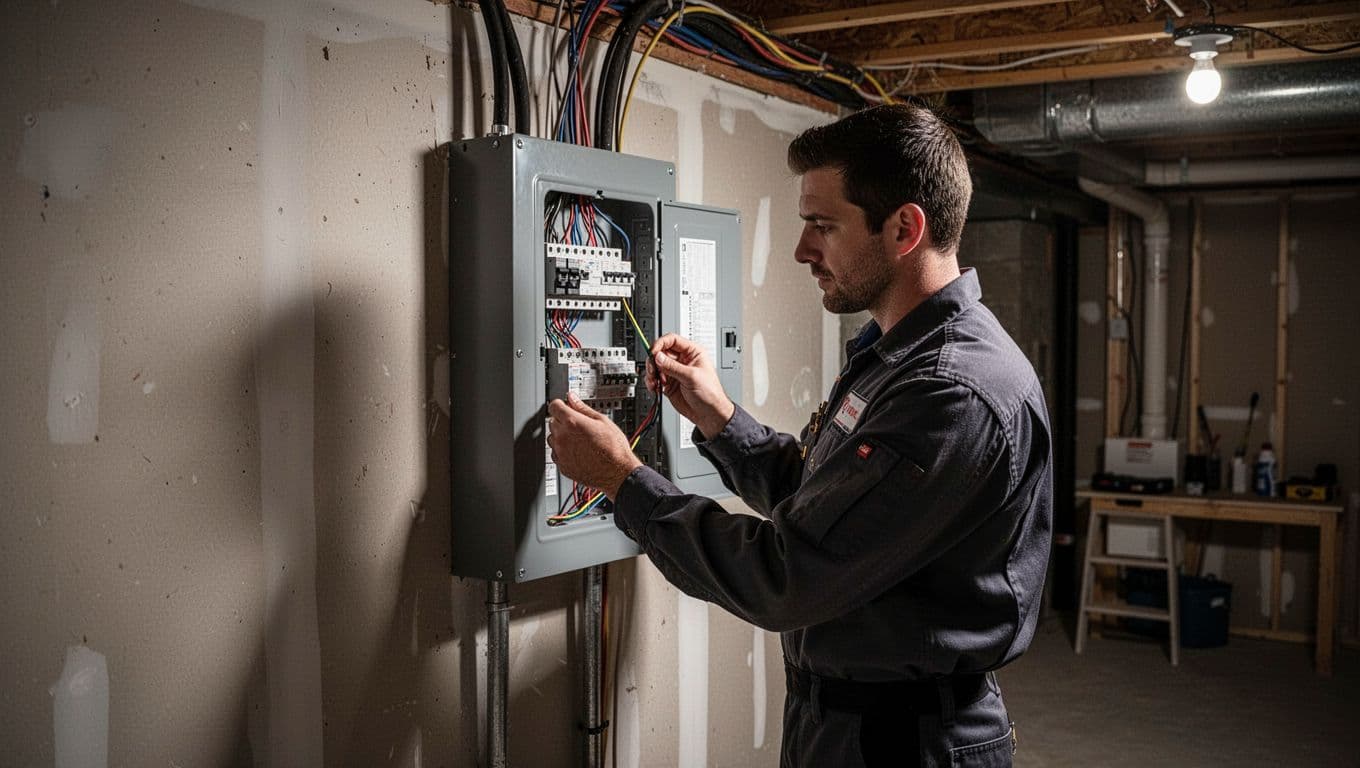
A professional evaluation starts with an inspection of the service equipment. The electrician records the service rating, panel brand, breaker types, available spaces, feeder size, grounding, and the condition of the enclosure.
Next, the electrician reviews the home's electrical load. This calculation accounts for major equipment such as electric heat, central air conditioning, an electric range, water heating, an EV charger, and a heat pump. The planned solar equipment and any battery system also become part of the design review.
A proper electrical load calculation helps show whether the service can support the proposed equipment under applicable code requirements. It also prevents an installer from relying on guesswork.
The inspection should cover more than the number printed on the panel door. The electrician may need to check:
- Service rating : Many homes have 100-amp or 200-amp service, while older properties may have 60-amp service.
- Panel capacity : The panel and busbar must accept the planned connection.
- Breaker compatibility : The solar breaker must match the panel and installation requirements.
- Physical condition : Heat damage, rust, loose connections, and obsolete equipment can change the scope.
- Grounding and bonding : The grounding electrode system must meet current requirements.
- Service entrance equipment : The meter socket, service conductors, and outside disconnect may need work.
- Available space : A crowded panel may need replacement even when the service rating appears adequate.
The result may be a small modification, a panel replacement, or a complete service upgrade. The electrician should explain the finding in writing and identify which requirements come from the electrical code, the utility, or the local permitting authority.
Why Panel Size and Busbar Capacity Matter
Homeowners often ask whether they need 200-amp service for solar. That question has no universal answer.
A smaller service may support a solar installation when the calculated load and connection method allow it. A 100-amp service could work in one home, while another home with electric heating, an EV charger, and a nearly full panel may need an upgrade.
The panel's busbar rating is also important. The busbar distributes power through the panel. When utility power enters from the main breaker and solar power enters through a separate breaker, the equipment must stay within its permitted ratings.
Electricians may review the connection under the applicable National Electrical Code rules, including the requirements for power production equipment and panelboard connections. Depending on the panel and system design, they may need to account for the 120% busbar rule, install a different connection, reduce the solar output, or replace the panel.
The panel's physical condition can settle the question even when capacity looks acceptable. Federal Pacific, Zinsco, and other obsolete or damaged equipment may create safety and insurance concerns. A licensed electrician can recommend an appropriate replacement instead of adding new equipment to a questionable panel.
Homeowners should also consider planned electrical additions. If you're considering an EV charger, heat pump, electric water heater, or battery storage, tell the electrician before the solar design is finalized. Planning these projects together can prevent a second service change later.
What a Service Upgrade May Include
The phrase "service upgrade" can describe several different projects. Ask the contractor to define the work rather than accepting a broad label.
A panel replacement removes an older or damaged panel and installs a new one. The utility service may remain the same size if the existing service conductors can support it.
A 100-amp to 200-amp upgrade usually involves a larger panel and changes to the service conductors. The meter socket, grounding, outside disconnect, or service entrance may also need replacement.
A full service upgrade can include utility coordination, new service entrance conductors, a meter socket, a main disconnect, grounding improvements, panel installation, permits, inspections, and final reconnection.
The project may also require wall access, conduit, trenching, or correction of older wiring. Knob-and-tube wiring, aluminum branch wiring, ungrounded circuits, or previous unpermitted work can add time and cost.
For Greater Boston homeowners, published 2026 estimates place a standard 100-amp to 200-amp service upgrade around $1,600 to $4,000. A full service upgrade often runs about $3,000 to $8,000, while complex older-home work can cost much more. These are planning ranges, not quotes. The property, utility requirements, permits, and amount of correction work determine the final price.
You can also review typical service upgrade pricing in Greater Boston before requesting proposals. Ask whether the solar contractor includes the electrical upgrade or hires a separate electrician.
Solar Interconnection Is More Than Installing Panels
The panels on the roof are only one part of the project. The inverter, disconnects, wiring, grounding, rapid shutdown equipment, and utility connection must all work together.
In Massachusetts, the local building department generally requires electrical permits and inspections for this type of work. The electric utility also has an interconnection process. Requirements vary by utility and system size, so your installer must confirm the current process for your property.
The utility may review the system design before approval. After installation, the project may need inspection and utility authorization before the system can operate in parallel with the grid. Turning on a new system before approval can create safety and compliance problems.
Battery storage adds another design layer. The electrician must account for the battery inverter, disconnects, location, equipment ratings, backup loads, and the way the battery operates during an outage. A backup system may require a transfer switch or a critical-loads panel.
Questions to Ask Your Solar Installer or Electrician
A clear conversation before work begins can prevent surprises. Ask these questions during the site assessment:
- What is my current service rating, and what load calculation supports your recommendation?
- Does my panel have enough busbar capacity for the proposed solar breaker?
- Can the existing panel accept the connection, or do you recommend replacement?
- Does the panel show any damage, overheating, corrosion, or obsolete equipment?
- Will the project require a new meter socket, service conductors, disconnect, or grounding electrode?
- Are permits included in the contract?
- Who will submit the utility interconnection application?
- Who schedules the inspection and utility approval?
- Will the design allow space for an EV charger, heat pump, or battery later?
- What happens if the utility requires changes after reviewing the application?
- Does the quoted price include utility fees, permit fees, wall repair, and service downtime?
- Which company performs the electrical work, and is the electrician licensed for the job?
Request the panel schedule, load calculation, single-line diagram, and written scope when appropriate. You don't need to interpret every technical drawing, but you should know what equipment the contractor plans to install and why.
A reliable contractor will also explain whether your home loses power during the upgrade. Service work often requires a planned utility disconnect. Ask how long the outage may last and whether the contractor will handle temporary safety measures.
Warning Signs of a Poor Solar Electrical Proposal
Be cautious when a proposal treats electrical work as an afterthought. Solar pricing can look attractive until required panel or service changes appear later.
Watch for proposals that:
- Promise that every home can use its current panel.
- Recommend a service size without performing a load calculation.
- Ignore an older fuse box or damaged panel.
- Leave permits and utility approval unclear.
- Don't identify the electrician responsible for the work.
- Offer one lump-sum price without describing the electrical scope.
- Tell you to switch on the system before final utility authorization.
A solar installer may be excellent at roof design but still need a licensed electrical contractor for service work. Confirm who holds responsibility for each part of the project. Electrical upgrades and interconnections should follow local code, utility rules, manufacturer instructions, and inspection requirements.
Final Thoughts
Your home may need a solar panel electrical upgrade , but the panels themselves don't determine the answer. The service rating, panel capacity, wiring condition, planned loads, and utility requirements all shape the project.
A qualified electrician can tell you whether a new breaker is enough or whether the property needs a panel replacement or complete service upgrade. Get that evaluation before signing a solar contract, and ask for the permits, interconnection steps, costs, and future electrical plans in writing.
The safest solar installation starts with an electrical system that has been inspected, calculated, and approved for the equipment you want to add.