
Why Light Bulbs Burn Out Fast in Greater Boston Homes

Contact Us
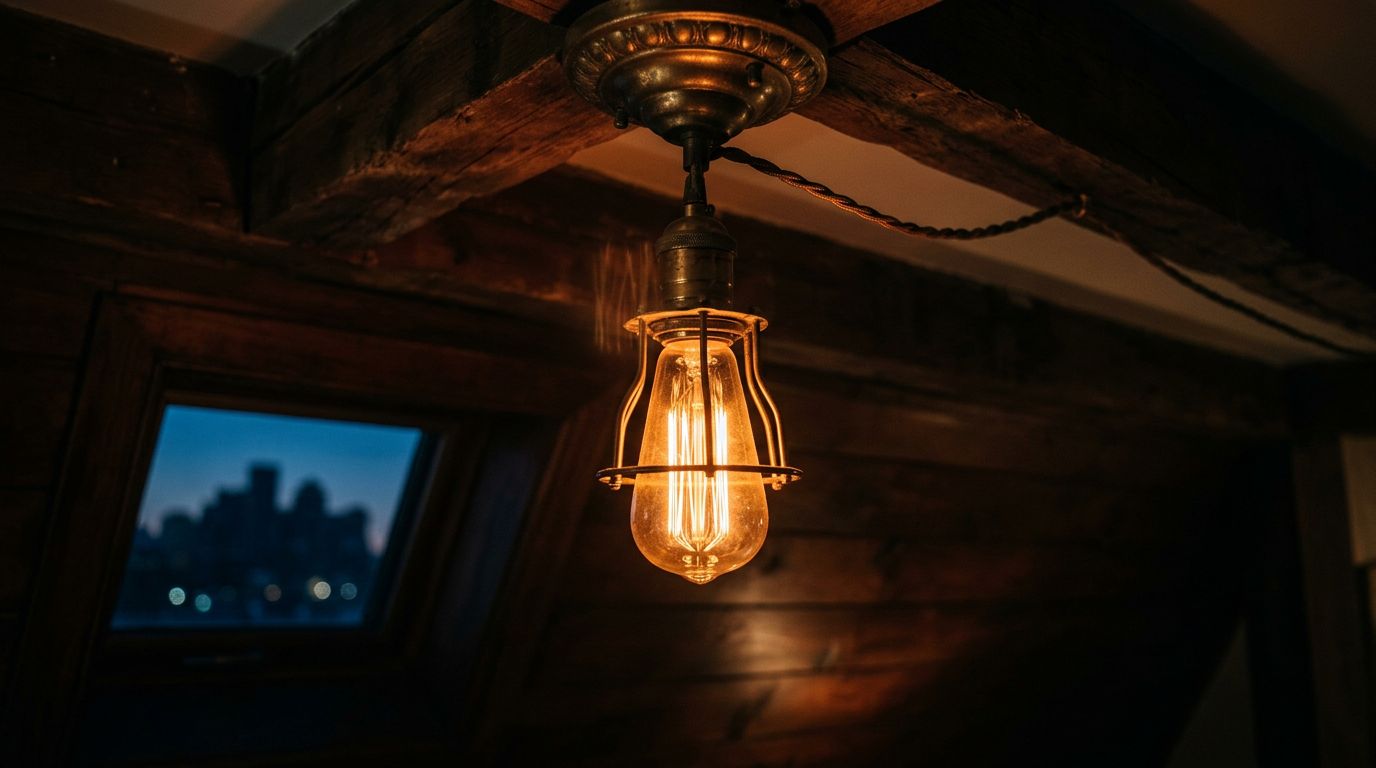
A bulb that dies once is annoying. A bulb that keeps dying is a clue.
In many Greater Boston homes, light bulbs burn out fast because something nearby is creating extra heat, stress, or power trouble. Older houses, outdated wiring, seasonal power swings, and enclosed fixtures can all shorten bulb life.
The good news is that not every burned-out bulb points to a major repair. Some problems are simple, and some are not. The trick is knowing the difference before you keep replacing bulbs that never had a chance.
What counts as normal bulb life
A bulb should not need replacement every few weeks. Even in a busy room, you should get much more life than that.
Different bulb types have very different lifespans, so it helps to compare them before you assume something is wrong.
| Bulb type | Typical lifespan | What fast burnout looks like |
|---|---|---|
| Incandescent | About 750 to 1,000 hours | Fails much sooner than expected, often with a pop |
| Halogen | About 1,000 to 2,000 hours | Burns out early in hot fixtures or with frequent switching |
| CFL | About 8,000 to 10,000 hours | Drops out early if the fixture runs hot or the bulb is poor quality |
| LED | About 15,000 to 25,000 hours | Should last years, not months, in normal use |
If an LED bulb is failing after only a short time, that is usually a sign of heat, compatibility trouble, or an electrical issue. The same goes for bulbs that keep dying in one room while the rest of the house is fine.
A single failure can be random. Repeated failure is a pattern.
Why bulbs fail sooner in Greater Boston homes
Older housing stock is part of life here. Many homes in Boston, Cambridge, Somerville, Quincy, and nearby towns have older fixtures, older circuits, or repairs layered on top of one another over time. That can be hard on bulbs.
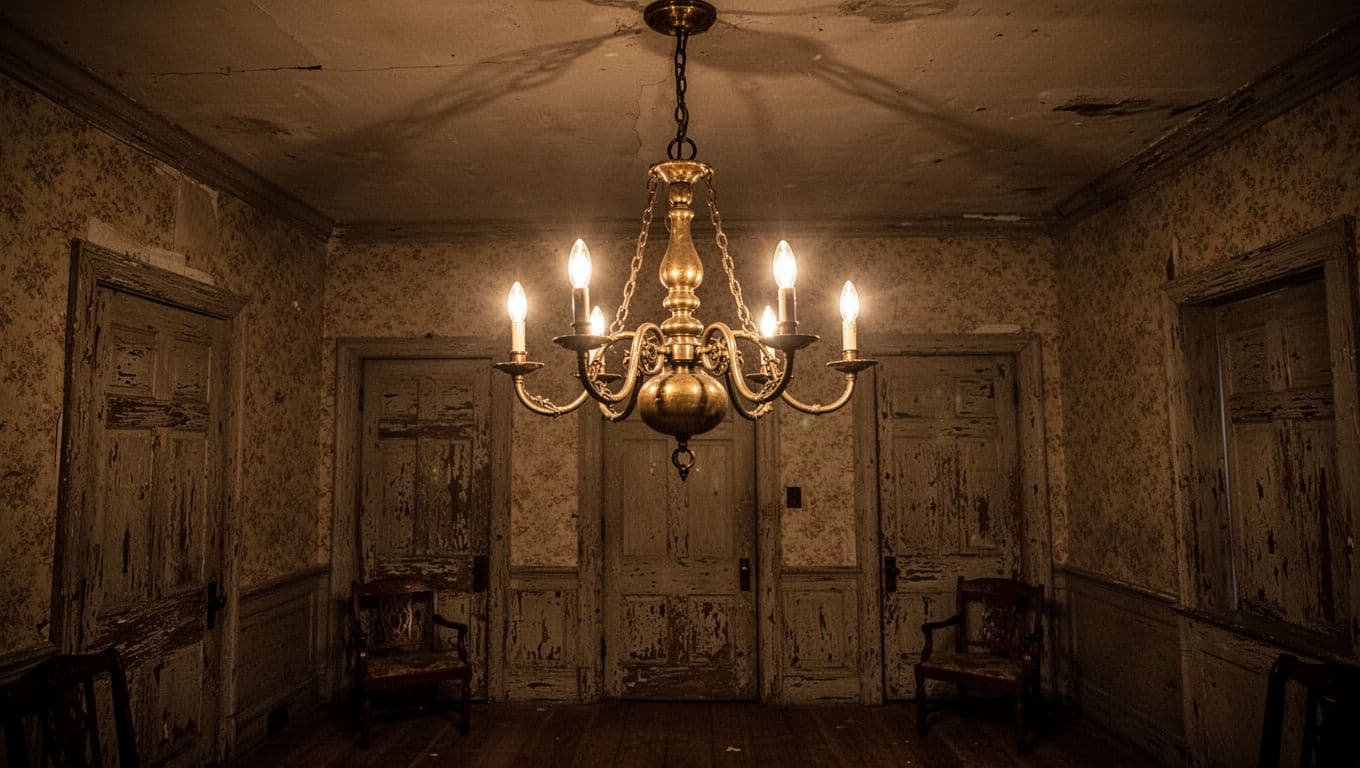
Older wiring and loose connections
Aging wiring can create small voltage drops, loose contacts, or tiny interruptions in power. A bulb may survive for a while, then fail early because the socket or circuit is not delivering steady power.
Some older homes still have knob-and-tube, outdated splices, or worn fixtures that look fine from the outside. Inside, though, the connection may be weak. That weak point can heat up every time the light is on.
Seasonal power changes
Greater Boston weather puts real stress on a home's electrical system. Winter heating loads, summer air conditioning, and storm-related outages can all affect voltage. When a system gets hit with repeated surges or dips, bulbs take the brunt of it.
That matters most in homes with sensitive LED bulbs, older service equipment, or circuits that already run near their limit. A bulb may seem like the weakest part, but it often reveals the deeper strain in the system.
Enclosed fixtures trap heat
Enclosed ceiling fixtures, recessed lights, bathroom lights, and some porch fixtures hold in heat. Bulbs need airflow to last. When heat has nowhere to go, life drops fast.
This is one of the most common reasons LED bulbs burn out early. If the bulb package does not say it is rated for enclosed fixtures, that bulb may fail long before it should.
Moisture and corrosion
Basements, attics, porches, and bathrooms can all add another layer of trouble. Moisture can corrode socket contacts, loosen parts, and wear out bulbs faster than a dry hallway fixture ever would.
Even a little corrosion can change how electricity reaches the bulb. That can lead to flickering, heat, and early failure.
Wrong bulb, wrong fixture
A bulb also can fail fast if it is the wrong type for the dimmer, fixture, or wattage rating. An LED that works well in one lamp may flicker or die early in a ceiling fixture with an incompatible dimmer.
If the fixture gets hot to the touch, the bulb may be working harder than it should.
Safe checks you can try at home
You do not need to take apart a light fixture to narrow down the cause. A few safe checks can tell you a lot.
Start with these simple steps:
- Match the bulb to the fixture. Check the wattage limit, and use bulbs rated for enclosed fixtures when needed.
- Try a different bulb in the same socket. If the new bulb fails too, the fixture may be the issue.
- Move the old bulb to another fixture. If it works elsewhere, the bulb itself may have been the problem.
- Look for dimmer compatibility. Some LEDs need dimmers made for LED use.
- Clean dust from the fixture. Dust traps heat, especially inside glass shades and recessed cans.
- Check for moisture. Rust, green corrosion, or dampness around the socket can shorten bulb life.
If a fixture feels hot, shuts off on its own, or buzzes, stop using it until it gets checked.
Avoid unsafe DIY work. Do not open a breaker panel, rewire a socket, or poke around inside a live fixture. A loose wire or cracked socket can create a shock risk fast. If you smell burning, see scorch marks, or notice melted parts, turn the light off and leave it off.
A bulb swap is safe. Electrical repairs are different.
Signs the problem is bigger than the bulb
Some warning signs point to a larger electrical issue, not a bad batch of bulbs. If you notice any of these, the fixture or circuit needs attention.

- Flickering lights that keep returning in the same room or fixture
- Hot fixtures or covers that feel warmer than they should
- Buzzing sounds from the bulb, dimmer, or switch
- Tripped breakers when lights turn on or when several fixtures run at once
- Repeated failure in the same fixture , even after you replace the bulb
- Scorch marks, discoloration, or a burnt smell near the socket
- Multiple bulbs failing on the same circuit , which can point to wiring or voltage trouble
When the same fixture keeps destroying bulbs, the socket may be loose, the wiring may be worn, or the circuit may be overloaded. In that case, more bulbs will not solve the problem.
A master electrician services in Massachusetts visit can uncover loose connections, bad sockets, or wiring issues before they turn into larger repairs. That matters even more in older homes, where hidden wear is common.
Conclusion
If your bulbs burn out fast, start by looking at the fixture, the bulb type, and the heat around it. In Greater Boston homes, older wiring, seasonal power changes, enclosed fixtures, and moisture all play a part.
When the same light keeps failing, or the fixture flickers, buzzes, or runs hot, the bulb is usually only the symptom. The problem is often deeper in the wiring or the fixture itself.
A professional electrical inspection is the right next step when the problem keeps coming back. It can find the real cause before another bulb fails, another breaker trips, or a small issue turns into a bigger one.