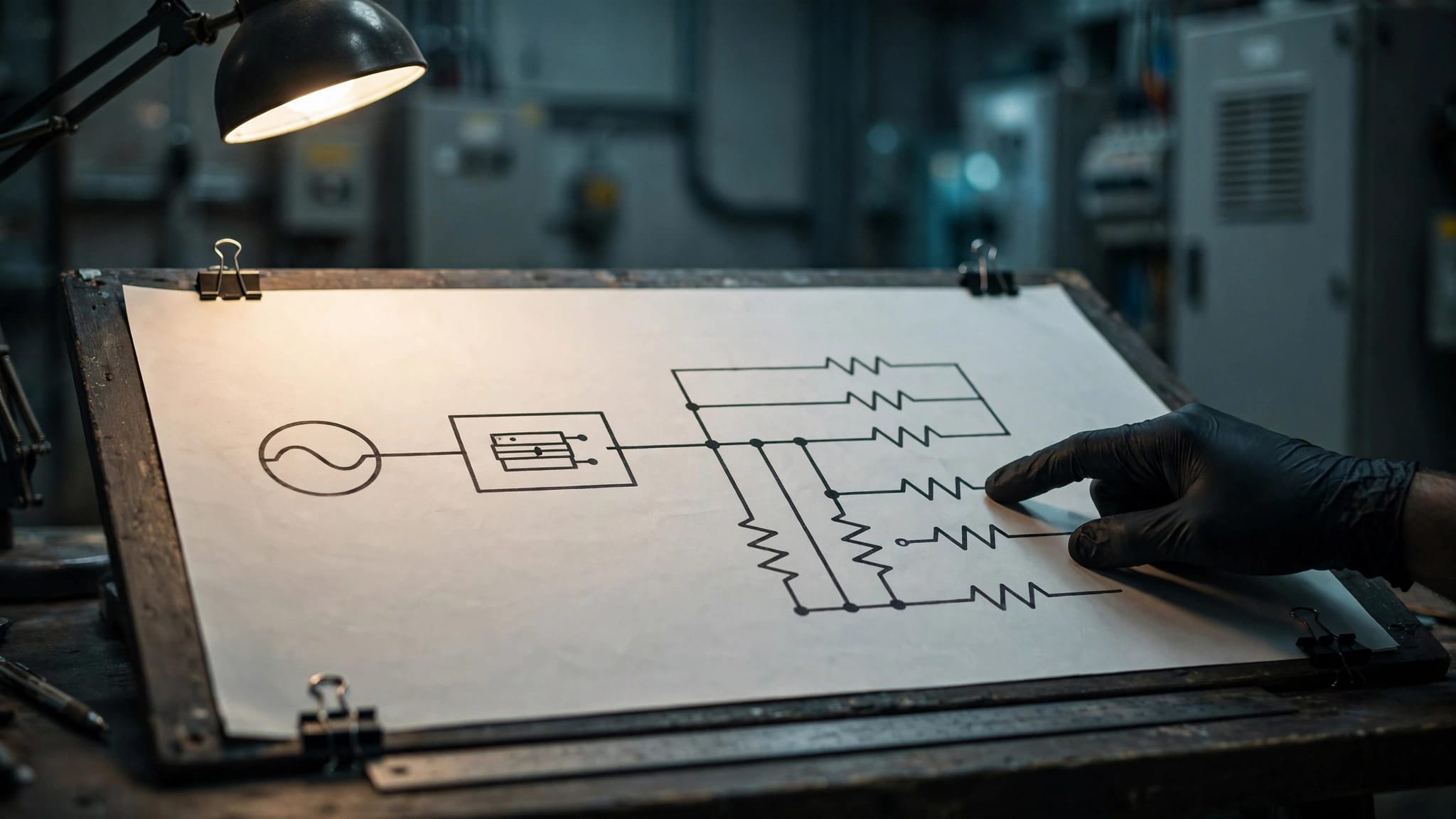

How to Choose an LED-Compatible Dimmer Switch

Contact Us
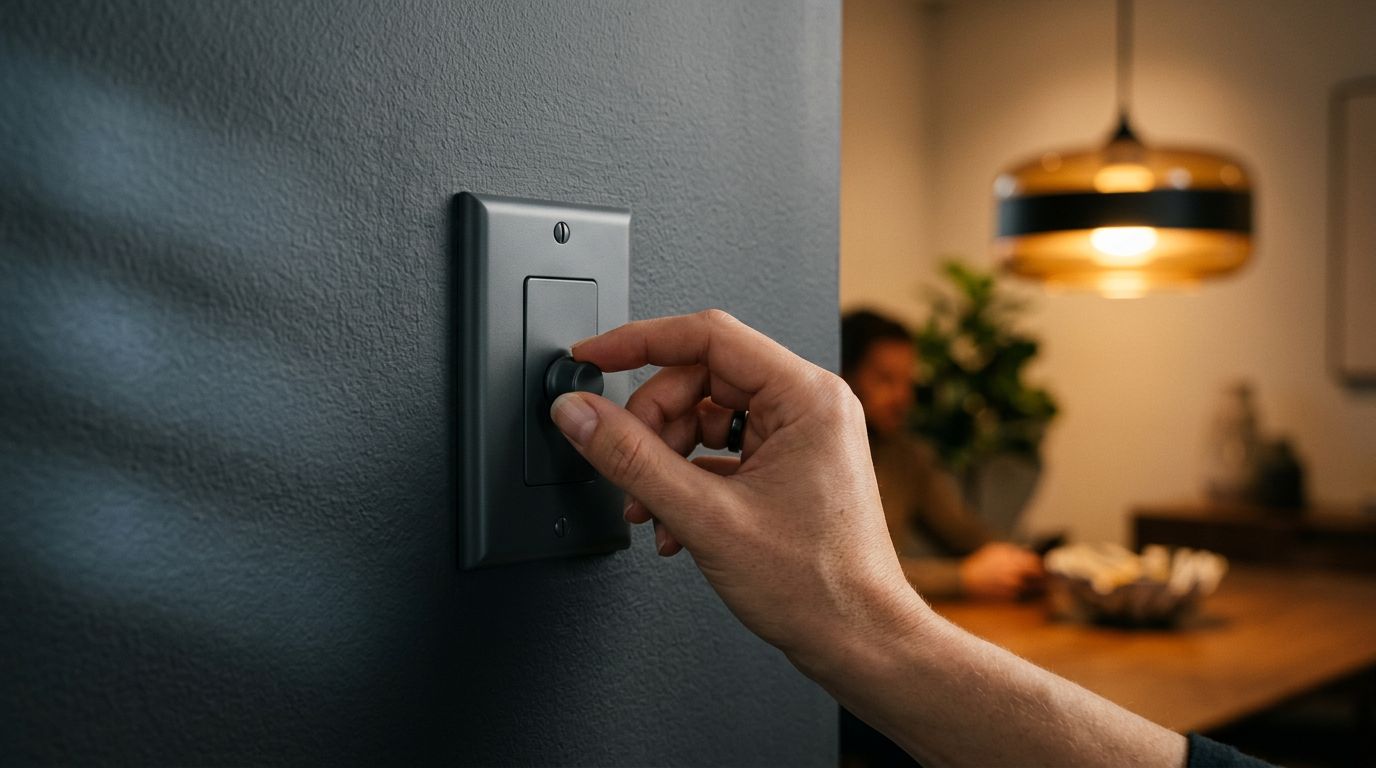
LED bulbs boost energy efficiency and last longer, but they don't always work with the dimmer already on your wall. Flickering, buzzing, limited dimming, or lights that refuse to turn off can all result from a mismatch.
Choosing an LED-compatible dimmer switch means matching the control to the bulb, fixture, wiring, load, and switching setup. The right choice gives you steady light and reliable performance. Start by checking the key factors below before purchasing an LED dimmer switch.
Key Takeaways
- Confirm that your dimmable bulbs or integrated LED fixtures are actually dimmable before choosing a switch.
- Match the dimmer's lighting load and technology to the lighting circuit.
- Check whether the circuit needs a single-pole, three-way, or multi-location dimmer.
- Smart dimmers may require a neutral wire, a hub, or a specific wiring arrangement.
- Addressing flickering, buzzing, heat, or poor dimming helps you achieve flicker-free performance.
What Makes a Dimmer Compatible With LED Lighting?
An LED dimmer controls light differently from an older incandescent dimmer. Traditional incandescent light bulbs draw more power and respond predictably as voltage changes, whereas modern dimming technology relies on electronic drivers that convert incoming power for the light-emitting diodes. Those drivers need a dimmer that can communicate with them properly.
A standard incandescent dimmer may allow an LED bulb to turn on, but that doesn't prove the pairing is safe or reliable. The bulb might flicker at low settings, flash when switched off, or produce a buzzing sound. Some LEDs also drop out before reaching the lowest setting.
First, look for the word dimmable on the bulb package or fixture specifications. An LED that isn't designed for dimming needs a standard on/off switch. Installing a dimmer won't make a non-dimmable product work correctly.
Next, check the dimmer packaging for LED compatibility, and always verify bulb compatibility using manufacturer specifications or lists. Manufacturers often list the bulb types, wattage ranges, and approved fixture combinations. Some publish compatibility tools that let you search by bulb model. That list is more useful than relying on the bulb's shape or brand alone.
The dimmer also needs the right electrical rating. A switch rated for LED loads may have a lower maximum wattage capacity than its incandescent rating because LED circuits behave differently. Follow the LED rating printed on the device, not the larger number shown for incandescent lamps.
A bulb can be labeled dimmable and still perform poorly with a particular dimmer. Compatibility depends on the bulb's driver and the switch's electronics.
LED systems also have a minimum load requirement to achieve smooth dimming. If one small LED bulb draws too little current, an older or incompatible dimmer may not operate correctly. A compatible LED model is designed to handle these low-load conditions.
How to Choose an LED-Compatible Dimmer Switch
The best LED dimmer switch is the one that matches every part of the circuit. Begin at the light, then work back toward the wall box.
1. Identify the light source
Count the bulbs controlled by the switch and record each bulb's wattage. For example, six 9-watt LED bulbs create a 54-watt LED load. That total must fall within the dimmer's LED rating.
If the fixture has an integrated LED module, find its model number and driver information. A replacement switch may need to support the fixture's specific dimming method. In some cases, the fixture manufacturer recommends certain dimmers.
2. Check the dimmer's load rating
A dimmer may show separate ratings for LED, incandescent, magnetic low voltage, or electronic low voltage loads. Use the rating that matches your lighting system. Don't calculate the load by converting LED wattage into an incandescent equivalent.
Commercial fixtures can require other control methods, including 0-10V dimming, DALI, or a manufacturer-specific control system. A residential wall dimmer won't replace those controls. Review the fixture documentation before selecting a device for an office, restaurant, retail space, or institutional building.
3. Match the circuit configuration
A single-pole switch controls a light from one location. A three-way dimmer switch works when the same light is controlled from two locations, such as a hallway with switches at both ends. Multi-location systems may need a companion dimmer or compatible auxiliary switch depending on your installation location.
Don't assume that any three-way dimmer can replace any three-way switch. Read the wiring instructions and confirm which device belongs at each location. Some systems allow dimming at one location while other switches provide on/off control.
4. Check for a neutral wire
Many smart dimmers need a neutral wire in the electrical box, and you will find that a neutral wire required specification is common for advanced features. Older homes may have switch boxes without one, especially where a simple switch controls a ceiling light. Some smart dimmers are designed to work without a neutral, but they may require a minimum load or a bypass component.
Turn off power and have the wiring identified by a qualified person. Wire colors alone don't confirm how a circuit is configured, especially in older installations or remodels.
5. Consider the control features
A basic slide, rocker, or rotary dimmer may be enough for a bedroom or dining room. Smart models can add app control, schedules, voice control, and integration with a home automation system for modern lighting control. Those features also add setup requirements and compatibility questions.
Look for a dimmer rated for the correct voltage, listed by a recognized testing laboratory such as UL or ETL, and supported by clear installation instructions.

Match the Dimmer to Your Lighting Setup
Different LED lighting systems need different dimming controls. The table below provides a starting point, but the fixture and dimmer documentation should decide the final selection.
| Lighting setup | Dimmer type to look for | Main detail to verify |
|---|---|---|
| Dimmable LED bulbs | LED-rated wall dimmer | Bulb compatibility and minimum load |
| Integrated LED fixture | Fixture-compatible LED dimmer | Driver and fixture requirements |
| Low-voltage lighting | MLV or ELV dimmer | Transformer type |
| Commercial 0-10V fixture | 0-10V control | Control wiring and fixture rating |
| Smart LED lighting | Compatible smart dimmer | Neutral wire, hub, and network requirements |
| Light controlled from two locations | Three-way dimmer switch or multi-location dimmer | Companion switch requirements |
For ordinary screw-in bulbs, the simplest option is often a phase-cut LED dimmer rated for the bulbs being used. Many residential LED dimmers use forward-phase control, also called leading-edge control. Some specialty fixtures and transformers need reverse-phase, or trailing-edge, control instead, and advanced dimmers often use these settings to achieve smooth dimming across various fixtures.
Low-voltage systems require extra care. A magnetic transformer and an electronic low voltage transformer do not use the same dimmer category. Using the wrong device can cause noise, poor dimming, or equipment damage.
With recessed lights and retrofit applications, check both the LED module and its driver. A retrofit trim may include an integrated driver, while a separate fixture may use a remote driver. The correct dimmer depends on that design.
Large installations deserve a load review rather than a quick switch replacement. LED fixtures have low running wattage, but their drivers can create inrush current when energized. The manufacturer's rating accounts for the intended load and operating conditions.
Solve Flickering, Buzzing, and Uneven Dimming
A new switch shouldn't need repeated adjustment to keep the lights steady and achieve flicker-free illumination across all brightness levels. If the lights shimmer, pulse, or shut off at low settings, start with the bulb and dimmer compatibility list. Replace one bulb with a known-compatible model before changing several devices at once.
Loose connections, damaged sockets, and voltage problems can also cause unstable lighting. If multiple lights flicker in different rooms, the issue may involve a circuit, panel, or service connection rather than one dimmer. Sirois Electric's guide to troubleshooting flickering lights on dimmer switches covers several common causes.
Buzzing deserves attention when it continues after you confirm compatibility. A dimmer can make a faint sound under certain loads, but a loud or growing buzz may indicate a poor match, an overloaded device, or a failing component where noise reduction becomes difficult without a replacement.
The same mismatch can shorten bulb life. If bulbs fail repeatedly in one fixture, check the dimmer, fixture rating, and bulb compatibility instead of continuing to replace lamps. This guide to dimmer switch bulb compatibility issues explains why the wrong control can contribute to early LED failure.
A slightly warm dimmer may be normal because the device sheds some heat while controlling the circuit. It should not feel hot, smell burnt, show discoloration, or leave marks on the wall plate. Those signs require prompt attention. You can learn more about why dimmer switches get warm to the touch before deciding whether the switch needs service.
Know When Professional Installation Makes Sense
Replacing a dimmer involves more than connecting two wires. The box may contain multiple circuits, shared neutrals, aluminum wiring requirements, or a configuration that isn't obvious from the old switch. Smart dimmers and multi-location controls also have installation-specific requirements.
Turn off the breaker before work begins, then verify that power is off with an appropriately rated tester. A wall switch box can contain energized conductors even when the light is off. Never rely on the switch position alone.
Call a licensed professional installer when the box is crowded, the wiring is damaged, the breaker trips, or the switch becomes hot. Professional help is also the right choice for advanced lighting control, low-voltage transformers, 0-10V systems, and installations that require a new neutral or other circuit changes.
A qualified electrician can identify the circuit, confirm the load, check the fixture, and install a listed control according to local requirements. That matters in homes and businesses where reliable lighting and code-compliant work are both important.
Frequently Asked Questions
Can I use a traditional incandescent dimmer with LED bulbs?
No, traditional incandescent dimmers are designed for higher loads and use different technology than LED drivers. Using an older switch with LEDs can cause flickering, buzzing, or lights that refuse to turn off completely.
How do I know if my LED bulbs are dimmable?
Always check the packaging or the manufacturer specifications for the explicit word "dimmable." Installing a dimmer switch will not make a non-dimmable LED bulb work correctly.
Do smart LED dimmers require a neutral wire?
Many smart dimmers do require a neutral wire in the electrical box to power their internal radios and smart features. However, some models are designed to operate without a neutral, though they may require a minimum load or a bypass component.
Conclusion
Choosing an LED-compatible dimmer switch starts with the light source, not the appearance of the wall control. Confirm that the bulbs or fixture are dimmable, check the LED load rating, match the circuit configuration, and verify any neutral-wire or transformer requirements.
When flickering, buzzing, heat, or early bulb failure appears, treat it as a compatibility or wiring issue instead of a minor annoyance. By pairing your fixtures with advanced dimmers, you can achieve stable control across all brightness levels without making the lighting system work harder than it should.