

Why loose electrical outlets happen in older Greater Boston homes

Contact Us
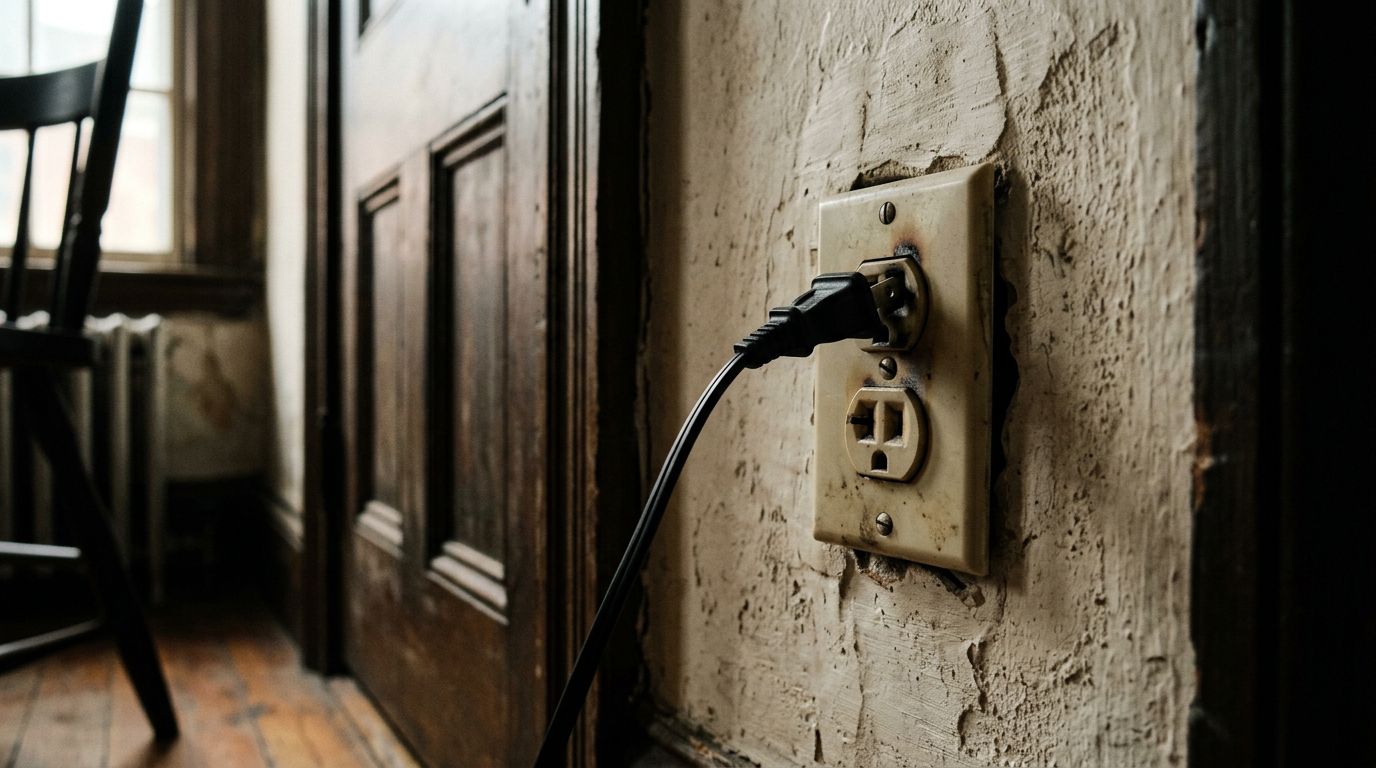
Loose electrical outlets are a common annoyance in older Greater Boston homes, but a plug that will not stay secure is more than an inconvenience. When a charger, lamp, or vacuum plug slips out, the receptacle may have worn internal contacts.
The issue can also involve a loose electrical box, damaged wiring, an overheated receptacle, or an outlet that no longer matches the home's grounding system. These problems can worsen when you prop up the plug, tape it in place, or keep using it.
The safest response starts with understanding why older homes develop this problem and knowing when to stop troubleshooting and call a qualified electrician.
Why loose electrical outlets happen in older Greater Boston homes
An electrical receptacle grips a plug with spring-loaded metal contacts inside its slots. Each time you insert or remove a plug, those contacts experience a small amount of mechanical stress. After years of use, they can lose tension and stop holding the plug blades firmly.
Older homes often have outlets that have served the same room for decades. A living room receptacle may have supported lamps, fans, vacuum cleaners, chargers, and extension cords for many years. That repeated use can wear out the internal contact points even when the plastic face still looks clean.
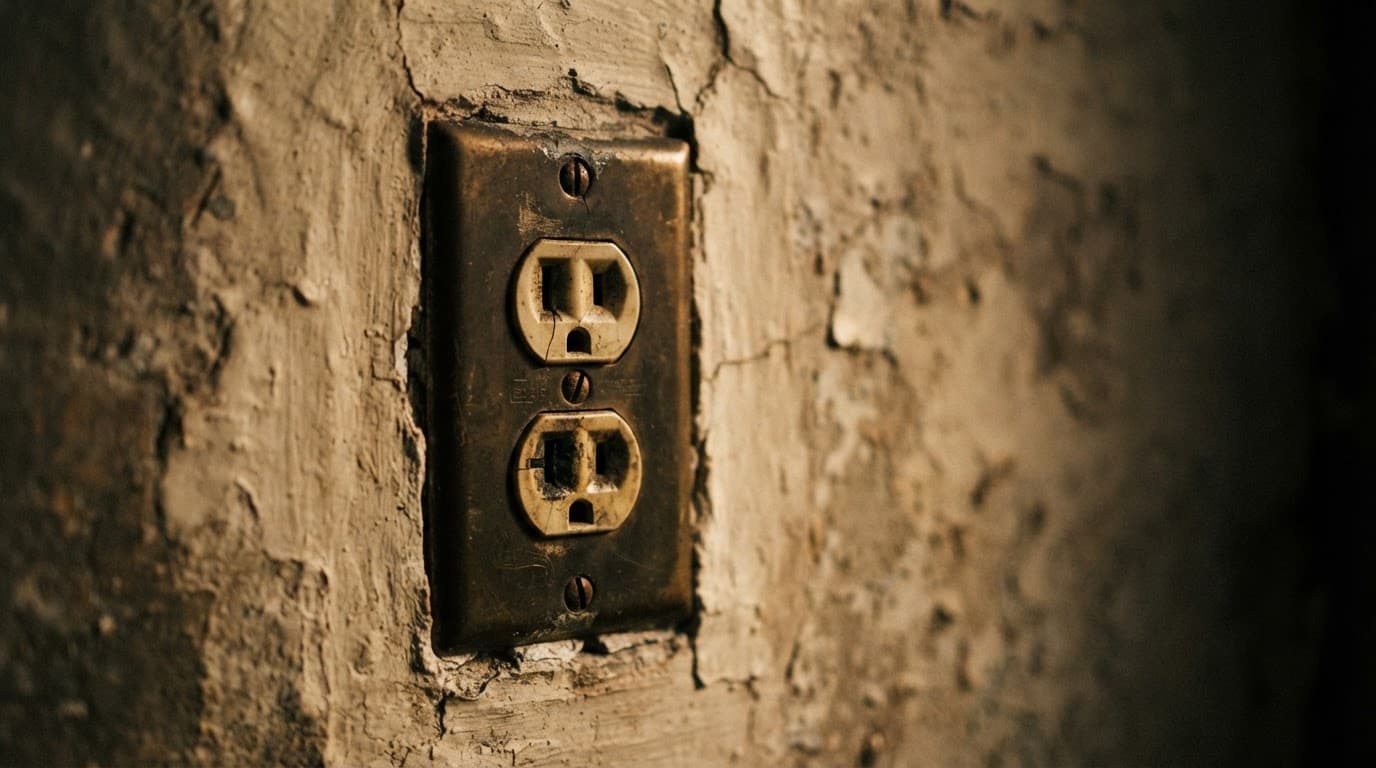
Worn receptacle contacts lose their grip
A plug that falls out commonly indicates worn receptacle contacts . The contacts should hold the plug blades tightly enough that the cord stays connected when it hangs naturally. If the plug drops under its own weight, the receptacle has likely reached the end of its useful life.
Loose contact can also increase electrical resistance. That resistance creates heat at the connection point, especially when the outlet supplies a higher-wattage appliance. A warm faceplate, discoloration, buzzing, crackling, or a sharp electrical odor requires immediate attention.
The breaker may not trip when a receptacle has a poor connection. Circuit breakers respond to certain overcurrent conditions, but a loose contact can produce localized heat without creating a large enough current spike to open the circuit.
The electrical box may have shifted
Sometimes the receptacle itself is sound, but the box behind it has moved. Older Greater Boston homes often have plaster-and-lath walls, uneven framing, and layers of repairs completed over many decades. A box can sit too far back, loosen from its support, or allow the receptacle to move when you insert a plug.
A receptacle that wiggles, sits at an angle, or disappears into the wall when pressed needs inspection. Movement can strain the wire connections attached to the device. It can also leave gaps around the cover plate, which may indicate a poor fit between the box, receptacle, and wall surface.
Replacing only the cover plate won't correct a moving box or loose terminal connection. The electrician may need to secure the box, check the conductors, and install the correct device and hardware.
What older wiring can change
The age of the wall outlet doesn't always reveal the age or condition of the wiring behind it. Many Greater Boston houses contain electrical work installed during different renovations. One room may have newer cable, while another still has older wiring or an outdated box.
That mixture matters because a replacement receptacle must match the circuit's actual condition. Installing a modern-looking device without checking the conductors and grounding can hide a problem rather than solve it.
Two-slot outlets may indicate missing grounding
Some older homes have two-slot receptacles connected to ungrounded wiring. A two-slot outlet may indicate that the branch circuit does not have an equipment grounding path. Installing a three-slot receptacle doesn't create that path.
A three-prong adapter also isn't a safe substitute for proper grounding. In some locations, a GFCI receptacle may provide shock protection on an ungrounded circuit, but it doesn't add an equipment grounding conductor. The installation and required labeling must follow the applicable electrical code.
An electrician can test the receptacle, identify the circuit arrangement, and determine whether the outlet needs replacement, GFCI protection, new wiring, or another correction. That assessment matters even more when a home has been remodeled in stages.
Older conductors can be fragile or mismatched
An electrician working in an older house may find cloth-covered cable, brittle insulation, knob-and-tube remnants, aluminum conductors, or wiring that doesn't match the current device. These conditions don't appear in every older property, but they can affect how safely a receptacle can be replaced.
Heat and moisture add another layer of concern. Outlets near kitchens, bathrooms, laundry areas, exterior walls, basements, and poorly insulated spaces may face conditions that shorten device life. Heavy plugs and cords can pull downward on a receptacle, especially when the outlet isn't firmly supported.
A worn outlet in a dry bedroom still needs correction. A loose or discolored outlet near water or a high-load appliance deserves faster attention.
What to do when a plug keeps falling out
Treat loose electrical outlets as a repair issue, not a problem to manage with a temporary workaround. Tape, folded paper, spacers, and improvised supports can hide heat damage and place stress on the plug or receptacle.
A plug that falls out is a condition to correct, not a connection to hold in place with tape.
Follow these safety steps:
- Stop using the outlet. Unplug the device and avoid testing the receptacle with other appliances. Don't force a plug into a loose slot.
- Look for visible warning signs. Check for a hot faceplate, scorch marks, melted plastic, buzzing, crackling, flickering, or an electrical smell. Don't remove the cover plate to investigate.
- Disconnect power if there is immediate danger. If you see smoke, active sparking, or severe heat, move away from the outlet. Turn off the circuit breaker only if you can do so safely, and call for emergency help if a fire has started.
- Arrange an inspection. Tell the electrician whether the plug falls out, whether the receptacle moves, and whether the issue affects one outlet or several. Those details help guide the initial assessment.
A plug can also have bent or worn blades, so the receptacle isn't the only possible cause. However, don't keep trying different plugs to see whether the outlet improves. A qualified electrician can separate a damaged cord problem from a worn receptacle or wiring fault.
When outlet replacement needs a qualified electrician
Replacing a receptacle involves more than removing two screws and attaching a new device. The electrician must identify the circuit, disconnect power, inspect the box, check the wire condition, verify grounding, and test the finished installation.
The work becomes less predictable in a historic or heavily renovated home. The box may be crowded, the conductors may be short, or the circuit may contain connections that aren't visible from the face of the outlet. A receptacle can also be part of a multi-wire circuit or share a circuit with equipment that affects the diagnosis.
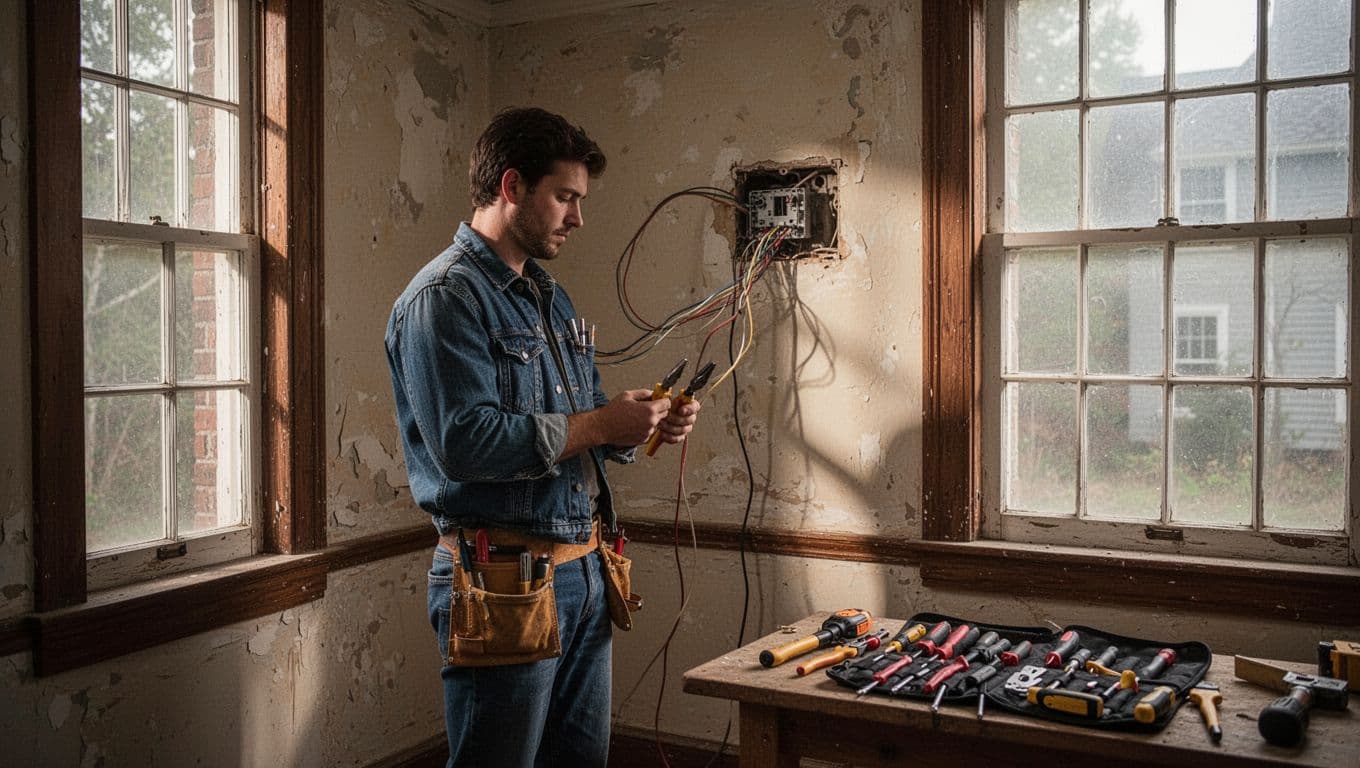
A qualified electrician should handle replacement when you find any uncertainty about:
- Grounding or two-slot wiring
- Brittle, damaged, or overheated insulation
- A loose electrical box or moving receptacle
- Scorching, melted plastic, buzzing, or repeated tripping
- Kitchen, bathroom, outdoor, basement, or other damp-area outlets
- Code requirements for GFCI, AFCI, tamper-resistant, or weather-resistant devices
The electrician may replace one worn receptacle or recommend a broader inspection when several outlets show the same symptoms. Multiple loose devices can point to age, installation problems, or a larger wiring concern.
For homeowners and businesses in Metro and Greater Boston, Sirois Electric provides outlet installation and replacement along with electrical inspection and repair work. A local licensed professional can select the correct receptacle and confirm that the installation fits the existing circuit and the property's safety needs.
The final repair may be simple, but the inspection still matters. A new outlet should sit firmly, hold plugs securely, and connect to wiring that can safely supply the circuit.
Conclusion
When a plug falls out of an older wall outlet, worn receptacle contacts are a common cause. A loose box, damaged wiring, poor grounding, moisture, or past repairs can create additional risks.
Stop using the outlet rather than propping up the plug or taping it in place. If the receptacle moves, feels warm, shows damage, or connects to uncertain older wiring, have a qualified electrician inspect and replace it. A secure plug starts with a sound receptacle and a safe connection behind the wall.