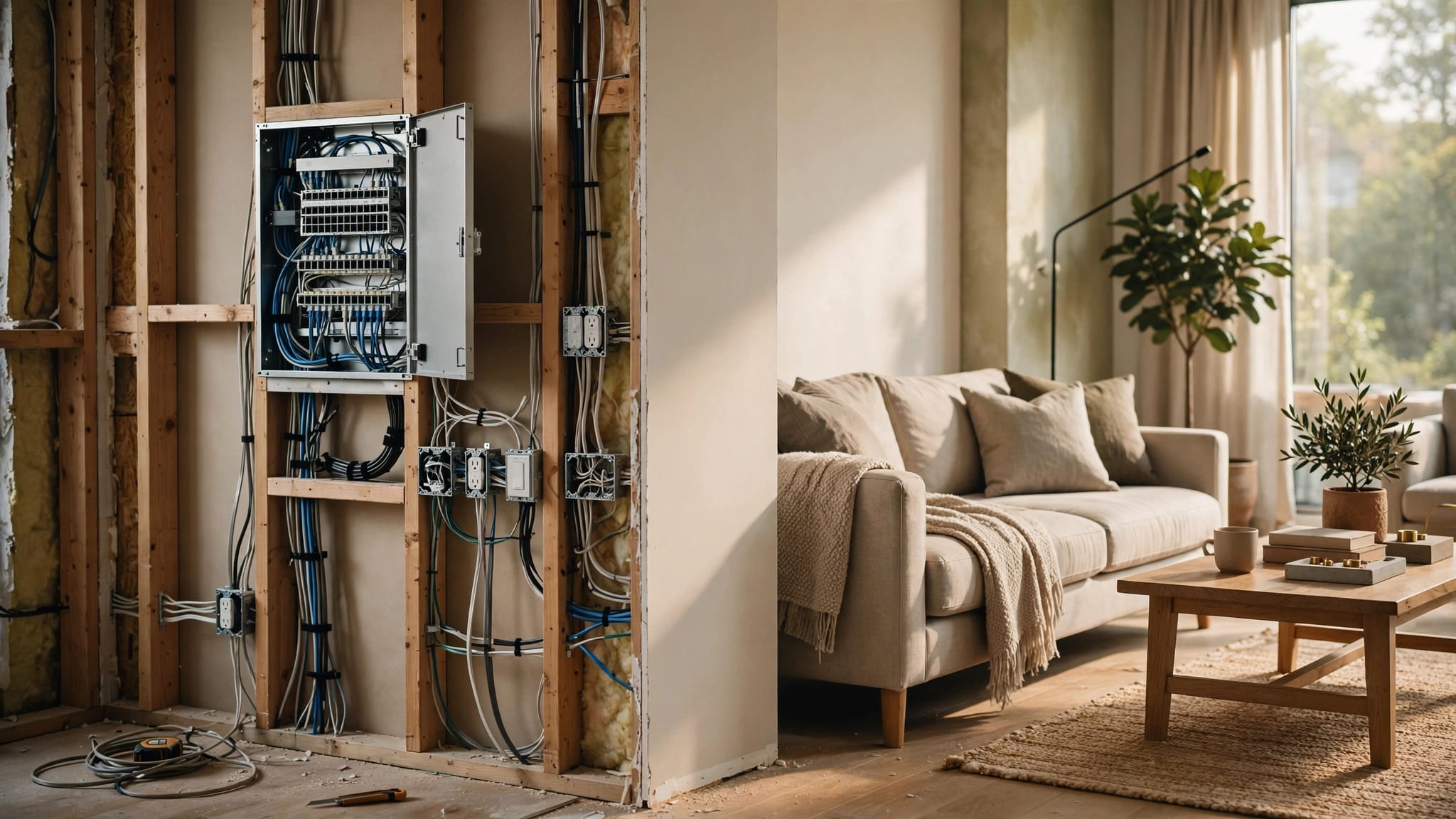

Electrical Maintenance Planning for Multifamily Properties

Contact Us
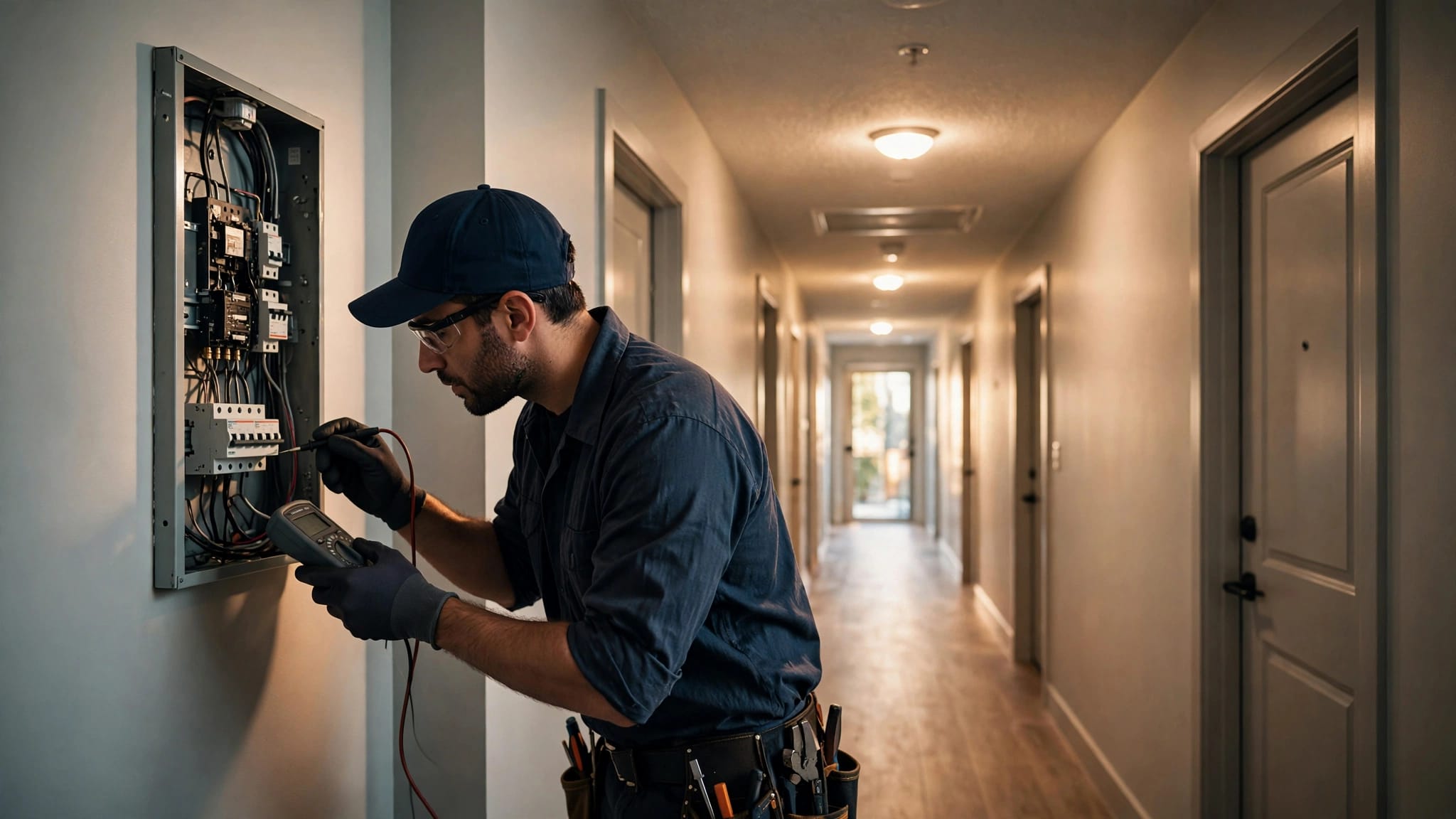
A hallway lighting failure can affect dozens of residents before your maintenance team receives the first complaint. Electrical maintenance planning gives you predictability : documented priorities, scheduled inspections, and clear responsibilities before problems interrupt daily operations.
For multifamily managers, the challenge includes shared equipment, occupied units, and years of repairs by different contractors. Start by identifying what your property has, who maintains it, and which failures need immediate attention.
Key Takeaways
- Give life-safety equipment and shared building systems priority over cosmetic improvements.
- Separate staff observations from testing, troubleshooting, and repairs assigned to qualified, licensed electricians.
- Set inspection intervals around equipment instructions, building conditions, and local requirements.
- Track every finding through repair, inspection, and documented closeout.
- Include resident notices, outage coordination, and permit responsibility in each project plan.
Establish Your Equipment Inventory and Responsibilities
Maintenance starts with knowing what serves each building. An incomplete inventory makes it harder to schedule work or understand an outage's impact.
Map shared systems and ownership
Record service equipment, meters, distribution panels, common-area lighting, emergency lighting, and electrical connections for HVAC equipment. Include generators, sump pumps, elevators, fire alarms, and EV chargers where present. These systems may involve different service providers, so document who maintains each one.
For each asset, capture its location, equipment identification, available installation date, service history, and responsible contractor. Also identify which units or shared areas depend on it.
In condominiums, review governing documents before assigning costs or authorizing work on shared feeders. In rentals, clarify management responsibilities and resident reporting procedures. Those arrangements don't replace applicable safety and habitability obligations.
Define what staff can observe
Property staff can record visible damage, failed lights, blocked equipment access, and resident complaints. They can also coordinate entry and keep storage away from electrical rooms.
Assign panel access, electrical testing, circuit changes, and repairs to qualified, licensed electricians. Staff shouldn't remove panel covers, tighten connections, or troubleshoot wiring.
Repeated breaker trips, buzzing, scorch marks, and unusual odors need professional evaluation. If there is smoke, active arcing, or fire, follow emergency procedures and call 911. Don't send maintenance staff into a hazardous area.
Electrical Maintenance Planning Starts With a Schedule
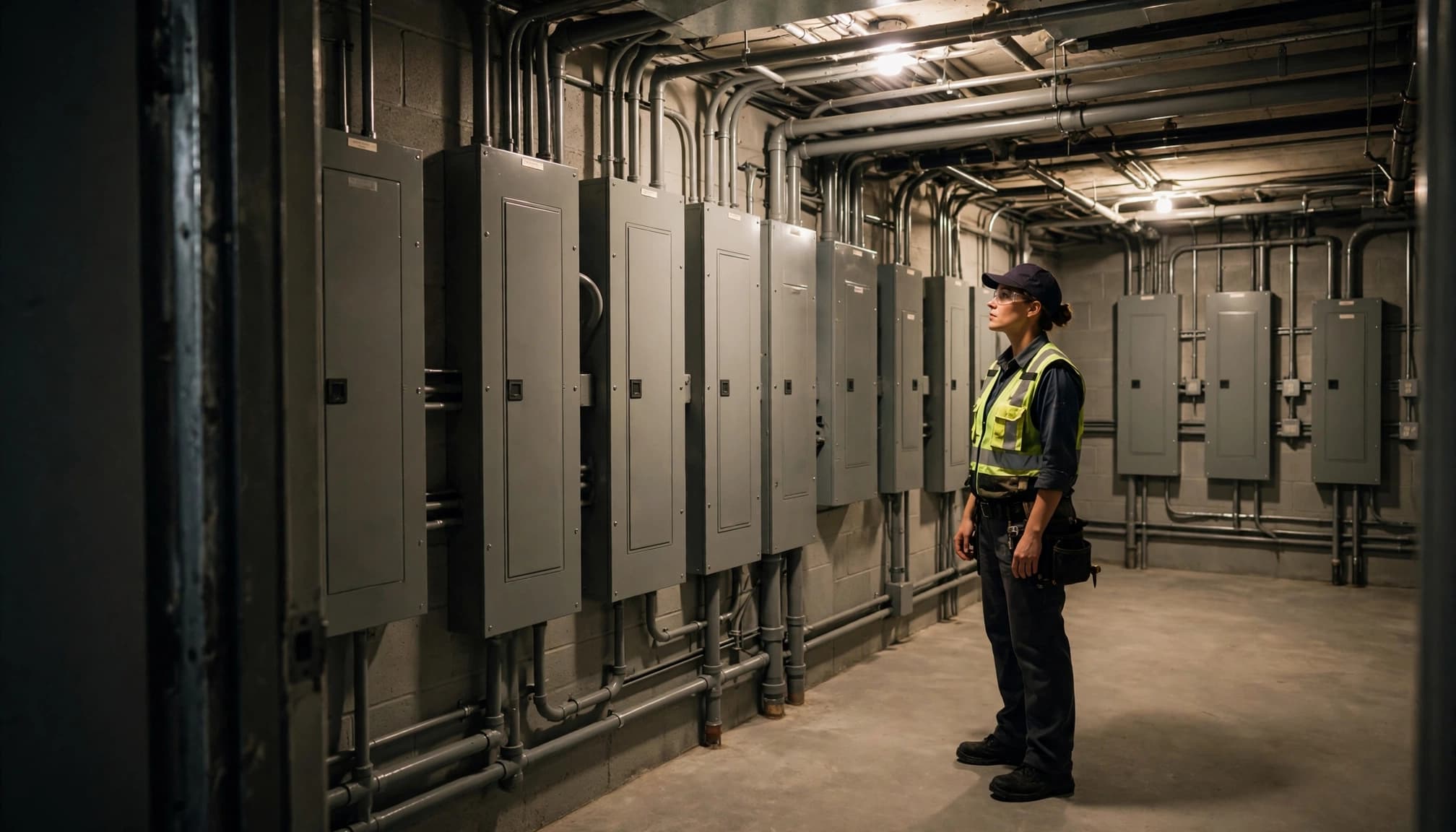
Use a calendar that distinguishes routine observations from professional inspections and equipment-specific testing. There isn't one inspection interval that applies to every multifamily property.
The following is a planning framework, not a universal code requirement.
| Planning interval | Management task | Professional involvement |
|---|---|---|
| Weekly walkthrough | Observe common-area lighting and equipment access. | Refer damage or unusual conditions promptly. |
| Monthly review | Review complaints, recurring trips, and open work orders. | Investigate repeated symptoms and unresolved findings. |
| Equipment-specific schedule | Track required tests and service dates. | Follow manufacturer instructions and applicable requirements. |
| Annual planning review | Update priorities, budgets, and maintenance history. | Confirm the appropriate inspection scope and frequency. |
| After damage or alterations | Flag affected systems and arrange access. | Evaluate safety before returning affected equipment to service. |
Assign each task an owner and due date. After completion, require a result and follow-up action rather than a simple "done" entry.
A baseline assessment through professional electrical inspection services can identify wiring, outlet, and panel concerns. Sirois Electric provides inspection reports that support repair planning.
Older equipment, moisture exposure, heavy loads, or recurring failures may justify more frequent professional attention. Meanwhile, renovations and newly installed equipment should trigger a review of the existing schedule.
Confirm applicable requirements with the local electrical inspector and relevant fire or building officials. Codes, adopted editions, inspection procedures, and requirements vary by location.
Prioritize Life-Safety and Common-Area Systems
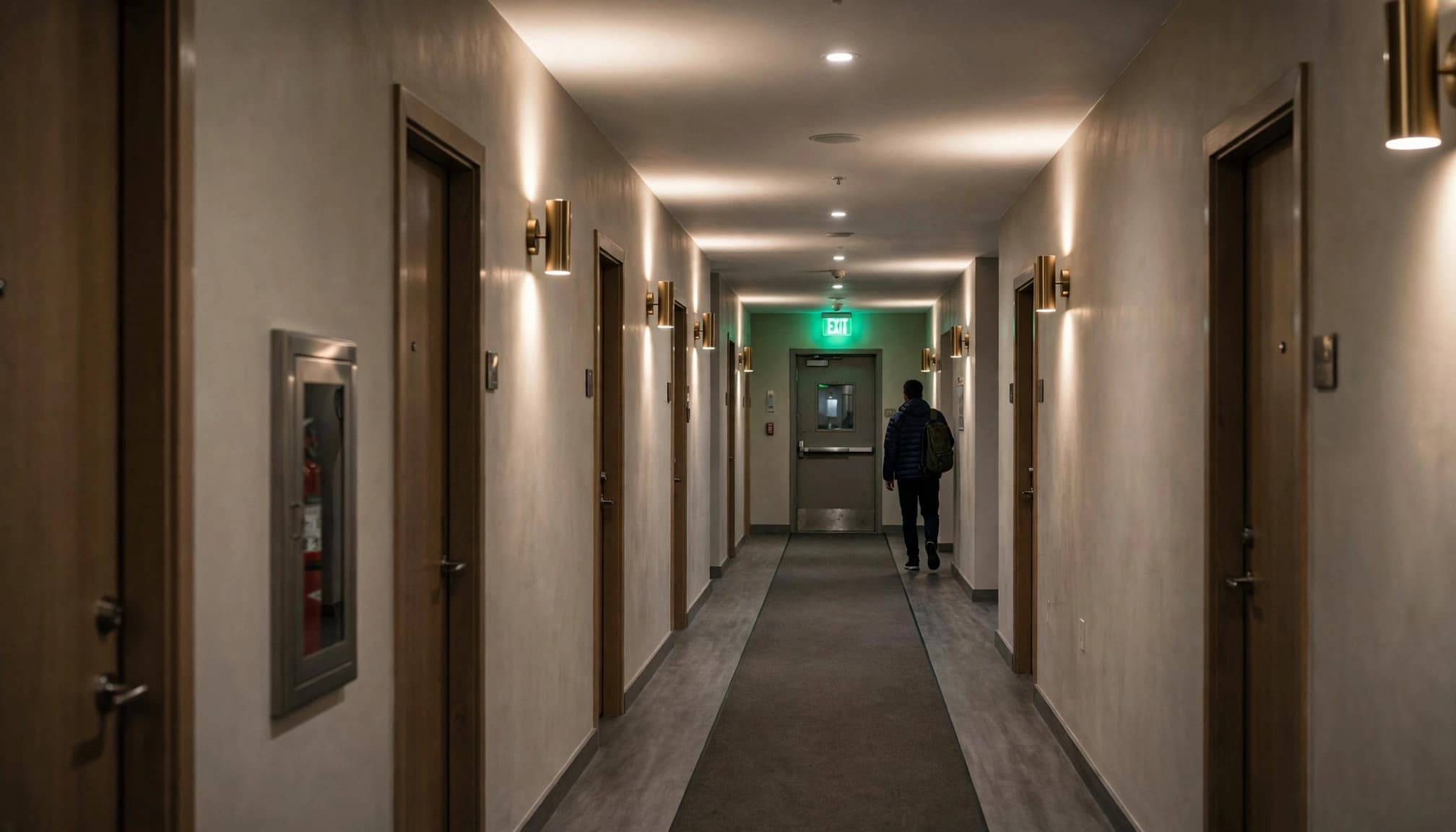
Rank findings by their effect on people and building operations. A failed decorative fixture deserves attention, but it shouldn't displace an unresolved emergency-lighting failure.
Protect emergency functions and exit routes
Place emergency lighting, exit signs, fire alarm power supplies, and required backup power near the top of your maintenance priorities. Coordinate their testing with the appropriate qualified contractors.
Keep test dates, results, battery replacements, and corrective work together. Missing records deserve follow-up because managers need to know whether equipment received the required testing.
Changes to corridor layouts or occupancy can also affect emergency-lighting coverage. Ask the electrician and appropriate local officials whether those changes require further review.
Address shared loads and moisture exposure
Common-area failures can affect heating, elevator availability, garage lighting, laundry facilities, or drainage pumps. Therefore, record the operational consequences of losing each shared circuit or piece of equipment.
Basements, garages, and outdoor receptacles deserve attention to moisture and weather damage. Ask an electrician to evaluate ground-fault circuit interrupter (GFCI) protection where applicable. Arc-fault circuit interrupter (AFCI) protection addresses a different hazard, and its requirements depend on the installation and applicable code.
Repeated breaker trips belong in the repair log as an unresolved fault, not as separate completed reset requests.
The electrician should investigate the cause before management treats the issue as closed.
Build a Budget That Separates Repairs From Replacements
An electrical maintenance budget needs room for routine service, corrective work, and larger replacements. Combining everything into one repair allowance hides future costs.
Fund inspections and corrective work
Start with scheduled inspection and testing costs. Then add known repairs, permit costs where applicable, and an allowance for unexpected findings.
Request itemized proposals that identify labor, materials, access needs, shutdown requirements, and exclusions. For occupied properties, after-hours work and repeat visits can affect the price. Inspection coordination and repairs to disturbed finishes may also need separate allowances.
Avoid using a generic per-unit dollar figure without a site assessment. Equipment condition, building layout, and the scope of work determine the budget.
Track planned spending against actual invoices throughout the year. A rising number of repeat service calls should prompt a discussion about the underlying problem.
Preserve records for future decisions
Maintain a record for each major asset, including inspection findings, service invoices, permits, warranties, and corrective actions. Sirois Electric's commercial electrical maintenance checklist offers a reference for organizing recurring reviews and maintenance records.
Also track equipment that repeatedly fails or needs parts that are difficult to obtain. Those records help management compare continued repairs with replacement.
When planning heat pumps, electric heating, or EV charging, request an electrical capacity assessment before approving equipment purchases. A load calculation can identify whether the proposed additions require changes to panels, feeders, or service equipment.
Coordinate Licensed Electricians, Permits, and Other Trades

Choose a contractor with occupied-building experience and the appropriate license for your location. In Massachusetts, verify licensing through the Board of State Examiners of Electricians. Also request insurance documentation and relevant references.
Before scheduling, confirm who will pull permits, arrange inspections, and document final approval. Don't assume a general building permit covers electrical work. Sirois Electric's guidance on electrical permits for condo renovations addresses panel changes, altered circuits, shared systems, and local inspection coordination.
Give the electrician existing reports, equipment information, access restrictions, and a list of affected units. Then coordinate with HVAC, elevator, alarm, and plumbing contractors when their equipment depends on the planned shutdown.
For service upgrades, involve the utility early. Metering, service capacity, and outage scheduling can affect the project timeline.
Finally, require appropriate restoration of penetrations through fire-rated walls or floors. Electrical work that crosses those assemblies needs more than a cosmetic patch. Keep permits, inspection results, and closeout documents with the property records.
Communicate With Residents Before Planned Interruptions
Residents need enough information to prepare for electrical work without sorting through technical details. Provide the scheduled date, expected outage window, affected areas, and a management contact.
Follow applicable notice and entry requirements. Although the contractor controls the work, management should coordinate unit access and explain restrictions on shared spaces.
Ask residents to contact management privately about medical equipment or other needs affected by power loss. Coordinate accommodations in advance rather than waiting until the shutdown starts. Avoid promising uninterrupted power unless the project arrangements support that promise.
During longer work, provide updates when timing changes. Afterward, confirm restoration and explain how residents should report remaining problems.
For everyday reporting, request the unit number, location, symptoms, and when the issue occurred. Tell residents not to remove covers, alter wiring, or repeatedly reset a tripping breaker. Also explain the emergency reporting process for smoke, sparks, or burning odors.
Clear communication supports electrical maintenance planning because residents often notice faults before a scheduled walkthrough does.
Frequently Asked Questions
Does every multifamily property need an annual electrical inspection?
An annual planning review is useful, but it doesn't establish a universal inspection requirement. Professional inspection frequency depends on equipment, property conditions, manufacturer guidance, and applicable local rules.
Ask your licensed electrician to recommend a documented schedule. Then verify required inspections and tests with the relevant local authorities. A schedule for one building shouldn't automatically become the standard for an entire portfolio.
Does a permit inspection replace a maintenance inspection?
The two inspections have different purposes. A permit inspection reviews work covered by a particular permit. A maintenance assessment evaluates existing equipment and identifies conditions that need attention within its agreed scope.
Keep both sets of records. Ask the electrician what each inspection covered, what remains unresolved, and whether additional diagnostic work is necessary.
Keep Every Finding Connected to a Follow-Up
A maintenance plan works when reported problems lead to documented action. Clear ownership keeps findings visible through repair and closeout.
Build the calendar around shared-system risks, professional recommendations, and local requirements. Then give residents and contractors the information they need before work begins.
The goal is a property where a hallway lighting failure prompts a clear response, with responsibility already assigned.