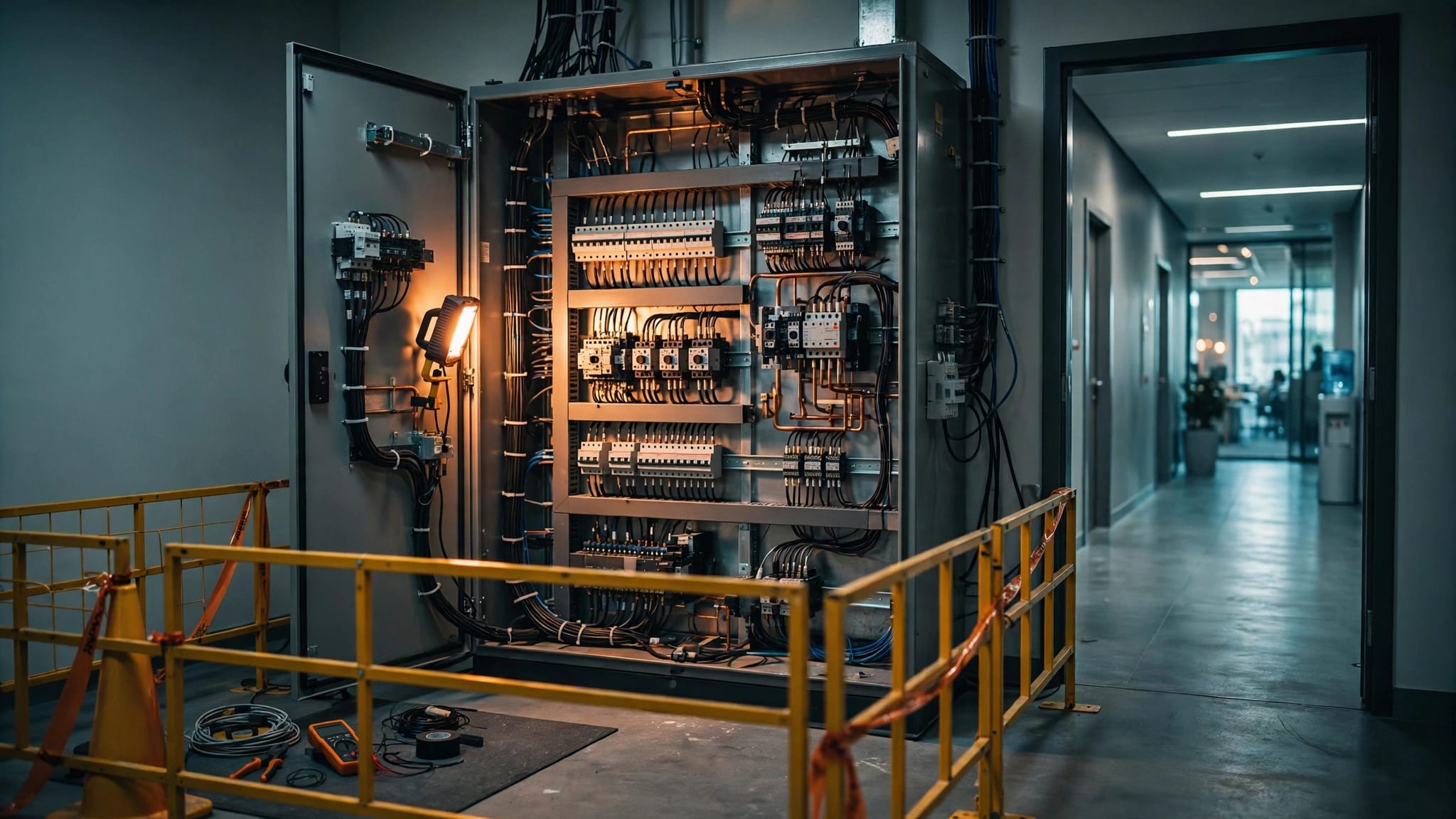

Electrical Safety After a Basement Flood in Greater Boston

Contact Us
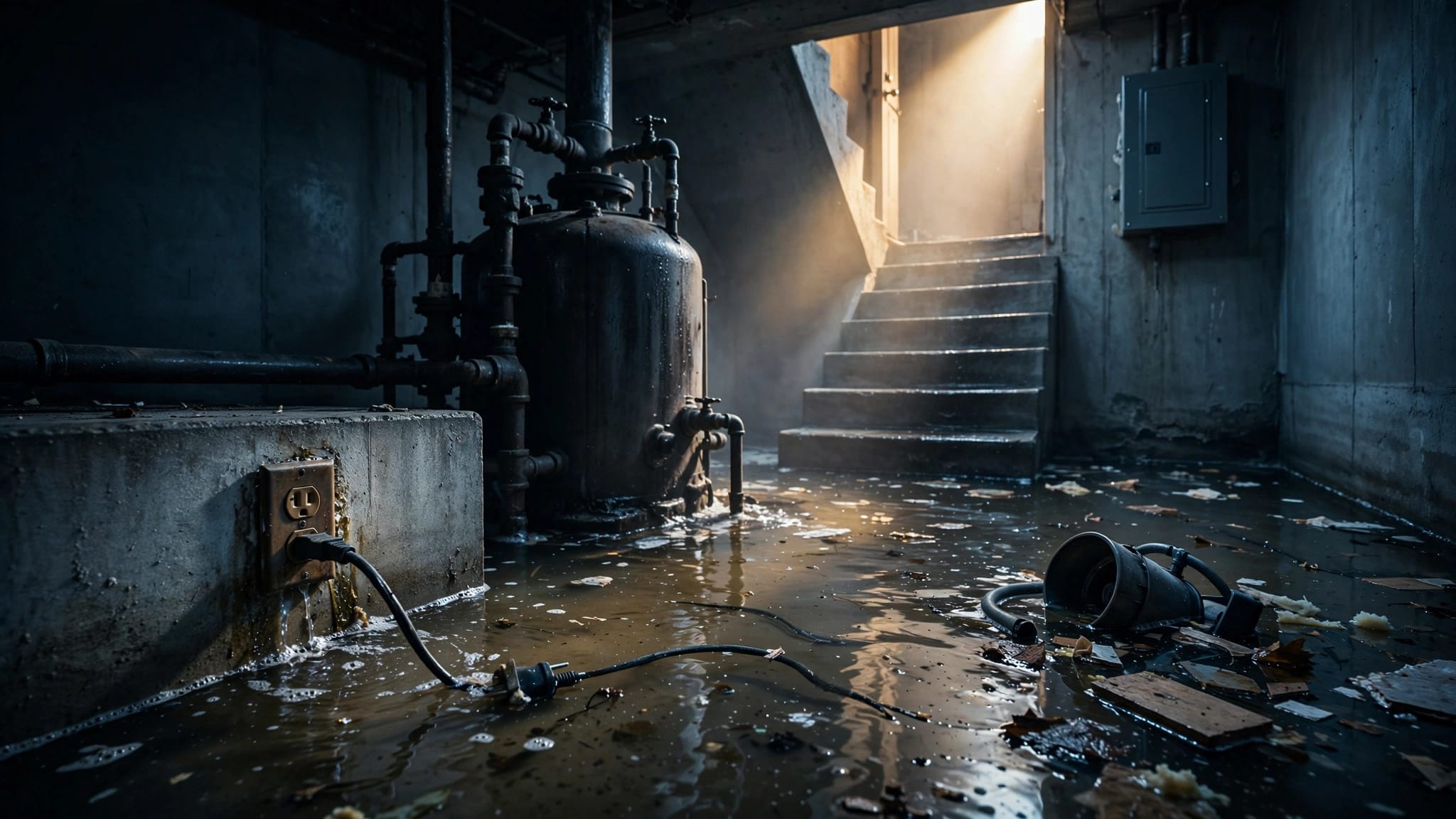
A flooded basement can turn ordinary household wiring into a serious shock and fire hazard. Basement flood electrical safety starts before anyone steps into the water or reaches for a breaker.
In Greater Boston, heavy rain, failed sump pumps, burst pipes, and winter thaw can all send water toward panels, outlets, boilers, and stored appliances. Treat the area as energized until the utility and qualified professionals say otherwise.
Basement Flood Electrical Safety: What to Do First
Your first job is to keep people away from electrical danger. Cleanup can wait until the home's power condition is known.
Stay out of standing water
Do not enter standing water if electrical equipment may be energized. An outlet, extension cord, appliance, damaged wire, or electrical panel could energize the water without obvious warning.
Keep children, pets, and neighbors out of the basement. Do not touch metal railings, pipes, appliances, or the water itself while standing on a wet floor.
If you see a downed outdoor line, stay well away and report it to the electric utility. Massachusetts emergency guidance also advises residents to return home only when local authorities say it is safe.
Shut off power only from a dry, safe location
If you can turn off the main power without approaching water , do so. The safest shutoff may be outside the basement, such as a dry service disconnect. Never wade toward a breaker box to shut off power.
Do not touch or reset a flooded electrical panel. Don't open its door, remove a wet breaker, or try to dry it with fans or heat. Call the utility if exterior service equipment, including the meter, was under water. Then contact a licensed electrician for an assessment.
Never attempt to turn off power at a breaker box if you must stand in water. Call an electrician instead.
Why a Flooded Basement Can Still Be Electrically Dangerous
Water doesn't have to reach the ceiling to cause damage. Even a few inches can submerge receptacles, cords, junction boxes, furnace controls, and the lowest connections on appliances.
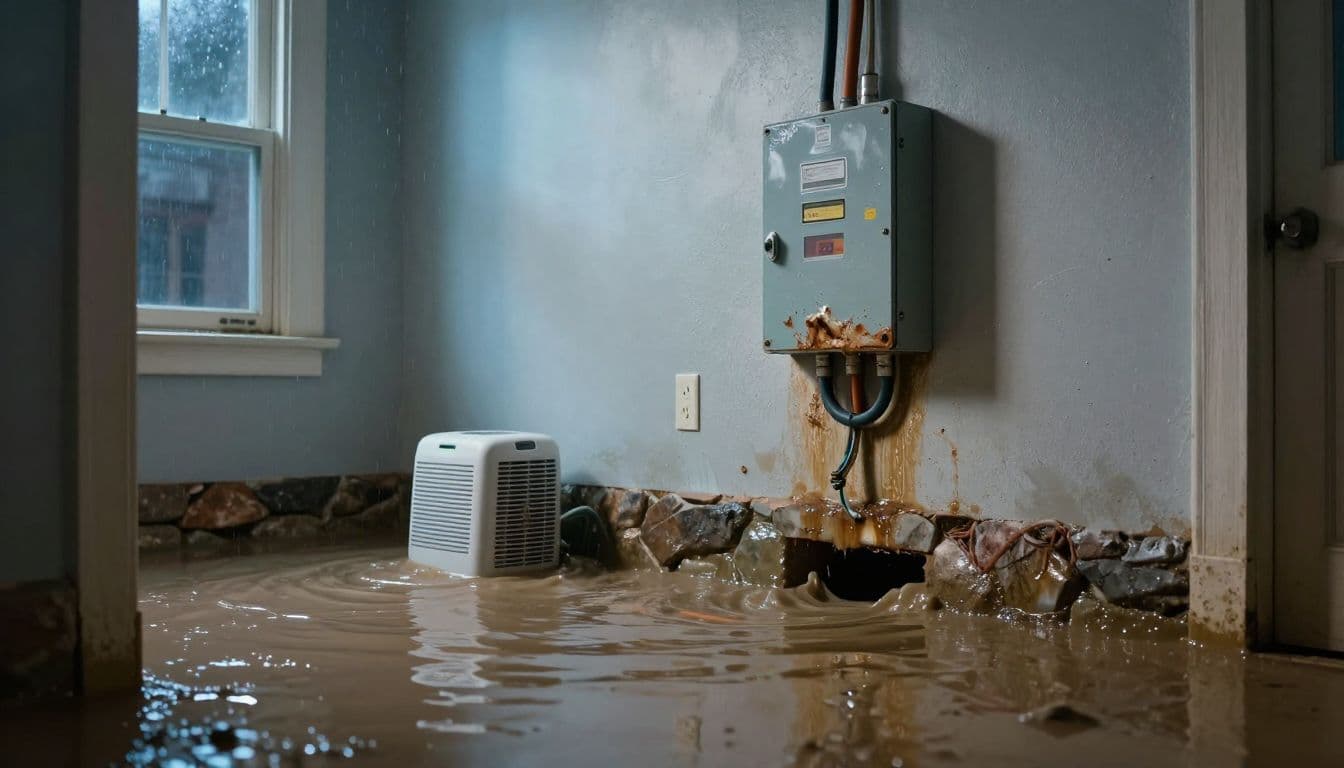
Dry-looking equipment may not be safe equipment
Floodwater can leave behind mud, sewage, road salt, and other contaminants. That residue can corrode terminals and connections long after visible water disappears.
National Grid warns that floodwaters can permanently damage gas and electrical equipment. Corrosion may stay hidden inside controls and moving parts, then contribute to failure or fire later. A dry basement is not proof that its electrical system is ready for use.
Panels, outlets, and cords need professional review
Water that reaches a panel, receptacle, switch, junction box, or hard-wired equipment requires a licensed electrician's attention before reuse. The inspection may identify damaged breakers, compromised insulation, corroded bus bars, or failed grounding connections.
Do not use appliances or extension cords in or near the flooded area. That includes shop vacs, fans, dehumidifiers, power strips, washers, freezers, and portable pumps. Plugging something in too early can create a shock hazard or start a fire.
Re-Energizing the Home Requires More Than a Dry Floor
A proper assessment separates safe circuits from affected equipment. It also prevents homeowners from restoring power to damaged basement circuits by mistake.
What a licensed electrician checks
An electrician can inspect the service equipment, panel, breakers, branch wiring, outlets, connections, grounding, and GFCI protection. They can also identify which circuits feed the basement, boiler, sump pump, and other mechanical equipment.
Older Boston-area homes often need extra scrutiny. Some have crowded panels, aging wiring methods, unmarked circuits, or electrical capacity that no longer fits modern loads. If flood damage exposes broader concerns, professional electrical panel replacement can correct unsafe equipment and bring the work in line with current requirements.
Coordinate with the utility and local officials
Do not re-energize the home until it has been assessed by the utility and a qualified licensed electrician as appropriate. FEMA advises homeowners to leave electricity off until a licensed electrician has inspected and repaired affected wiring and equipment, with local approval where required.
Your city or town's building department may require permits and inspections for repairs or replacement work. Follow current Massachusetts rules, local electrical requirements, and utility instructions rather than relying on a neighbor's repair method.
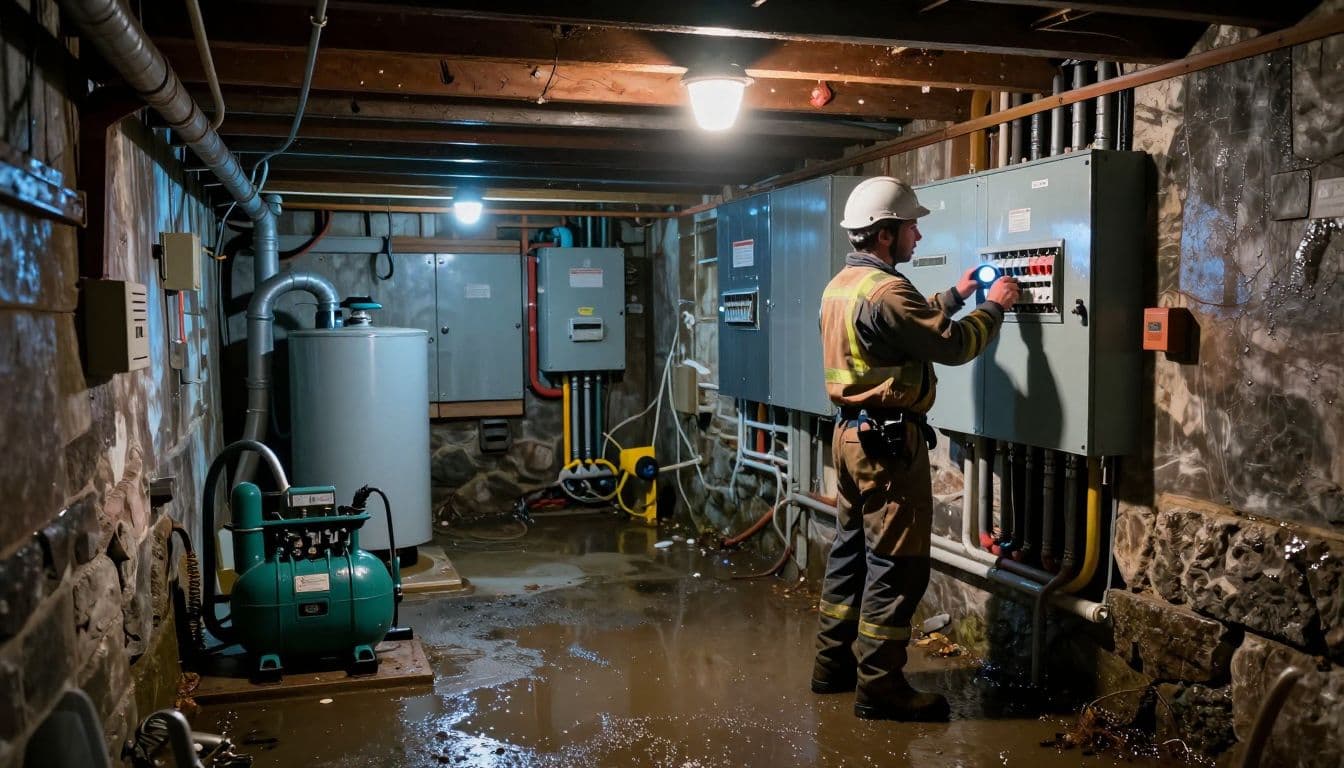
Handle Boilers, Sump Pumps, and Generators With Care
Basement utilities often sit close together, so flooding can affect electrical, heating, water, and gas systems at once. Each system has its own risks.
Boilers and water heaters need separate attention
Do not restart a boiler, furnace, water heater, or HVAC equipment that was exposed to floodwater. Eversource advises homeowners to have flooded gas equipment inspected by a licensed plumber or contractor before using it.
If water covered a gas meter or regulator, contact the gas utility before restoring service. If you smell gas or hear hissing, leave the building immediately and call the gas utility from outside. Don't operate switches, breakers, or appliances on the way out.
National Grid states that water heaters exposed to floodwater should be replaced. Flooded heating equipment often needs replacement rather than a quick repair because controls and safety components may have hidden damage.
A sump pump needs safe power before it can help
A failed sump pump may have caused the flood, but plugging it back in without inspection can make conditions worse. An electrician should confirm that the circuit, receptacle, cord, and pump are safe before the system returns to service.
Generators need the same discipline. Never run a portable generator in a basement, garage, or near open windows, because carbon monoxide can build up fast. Never backfeed a home through a wall outlet. A properly installed transfer switch or interlock is the safe connection point for backup power. Homeowners considering permanent backup power can review whole-home generator installation services before the next outage.
Clean Up Only After Electrical Hazards Are Controlled
Once the power condition is confirmed and the area is safe to enter, document the loss before removing damaged materials. Take wide photos of the basement, then close-ups of water lines, affected outlets, appliances, panels, and personal property.
Protect your insurance claim
Contact your insurance company as soon as possible. The Massachusetts Division of Insurance recommends taking photographs before cleaning or repairs and keeping receipts for cleanup expenses.
Save invoices for water removal, dry-out equipment, electrical inspections, contractor work, and replacements. Record the apparent floodwater depth and list damaged belongings. Avoid permanent repairs until your adjuster has inspected the damage, unless immediate work is needed to prevent further loss and your insurer directs you otherwise.
Dry and disinfect with caution
After professionals clear the electrical hazards, remove water and begin drying wet materials promptly. Lexington's emergency guidance recommends cleaning and drying wet items within 48 to 72 hours, while keeping wet areas well ventilated.
Wear appropriate protective gear if floodwater may contain sewage or chemicals. Disinfect hard surfaces that got wet, and discard porous materials that can't be cleaned and dried. Keep extension cords and portable fans out of damp areas until the electrical system is cleared for use.
Reduce Risk Before the Next Greater Boston Storm
A basement that has flooded once deserves a closer look before the next storm or winter freeze. The goal is to limit both water exposure and electrical consequences.
Improve protection for older homes
Ask an electrician to identify basement circuits and label them clearly at the panel. Receptacles in areas that could get wet may need GFCI protection, and equipment may need to move higher above expected water levels.
A service review can also reveal whether an older 100-amp system has enough capacity for pumps, heat pumps, EV charging, and modern appliances. Read more about electrical capacity for older homes when planning larger upgrades.
Prepare for freezing weather and outages
Winter brings a different kind of pressure. A power outage can stop a sump pump and leave a cold basement vulnerable to frozen pipes. Keep drain paths clear, test the sump pump before major storms, and know where the main water shutoff is located.
Store emergency contacts where you can reach them without entering the basement. Include your electric utility, gas utility, insurance carrier, plumber, heating contractor, and licensed electrician. Basement flood electrical safety depends on quick decisions made from a dry location.
Key Takeaways for Flooded Basement Electrical Safety
- Stay out of standing water when any electrical equipment could still be energized.
- Never touch, open, reset, or dry a flooded electrical panel yourself.
- Keep appliances, cords, pumps, and dehumidifiers unplugged in or near the flooded area.
- Have the utility and a qualified licensed electrician assess affected service equipment and wiring before power returns.
- Treat flooded boilers, water heaters, sump pumps, and generators as separate safety issues.
- Photograph damage, save receipts, and follow Massachusetts, utility, insurer, and local authority directions.
Keep Safety Ahead of Cleanup
A basement flood feels urgent, especially when stored belongings and mechanical systems are at risk. Still, the first priority is preventing shock, fire, and gas hazards.
Water can contaminate wiring and damage equipment even after the floor looks dry. A careful professional assessment protects your home, your insurance claim, and everyone who enters the basement.
Frequently Asked Questions
Can I use a shop vac to remove basement water?
No, not until a licensed electrician or the utility has confirmed that electrical hazards are controlled. A shop vac, its cord, and nearby outlets can create a dangerous path for electricity in a wet basement.
Use a qualified water-removal or restoration company after the area is safe to enter. Keep all portable electrical equipment away from remaining water.
Can I reset a breaker after my basement floods?
No. Do not touch or reset a flooded electrical panel, even if the water has receded. Moisture and contamination can remain inside breakers, panel components, and wiring connections.
A licensed electrician should inspect the equipment and determine whether repair or replacement is needed before any circuit is energized.
Is a sump pump safe once the water goes down?
Not automatically. Its motor, cord, plug, receptacle, and circuit may have been submerged or exposed to contaminated water. Have the pump and its electrical supply inspected before you put it back into operation.
Should I turn my boiler back on after basement flooding?
Don't restart a boiler or other heating equipment that was under water. Contact a qualified heating contractor, and involve the gas utility if the meter, regulator, or gas equipment was flooded.
This caution matters even more during cold weather. Safe inspection comes before restoring heat.