
Generator Runs but House Has No Power: What to Check

Contact Us
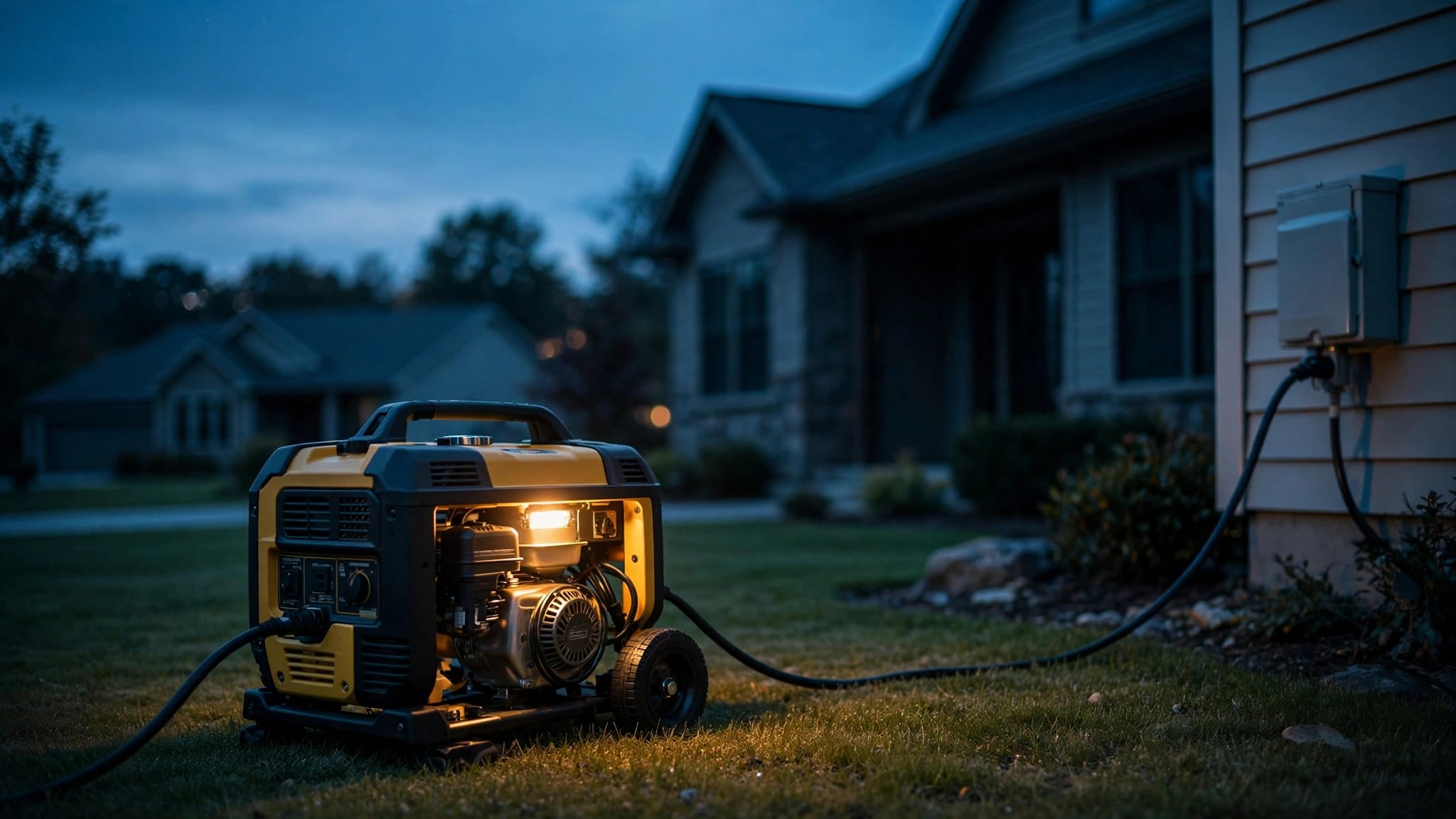
A generator can run without supplying power to your home. If that happens, start with safe, visible checks of the generator, transfer equipment, and household circuits before looking for a more involved problem.
A running engine tells you the unit has started. It doesn't establish that electricity has reached the circuits you need, or that the system can support their connected load.
The steps below move from simple observations to the information an electrician needs for a closer inspection.
Put Safety First During the Outage
Keep a portable generator outdoors, away from doors, windows, and vents. Never run it in a garage, basement, enclosed porch, or other indoor space. Carbon monoxide can build up even when a door or window is open.
Use working carbon monoxide alarms in the home. If an alarm sounds or anyone develops symptoms such as headache, dizziness, or nausea, move everyone outside to fresh air and call 911. Don't return inside until emergency responders say it's safe.
Never connect a generator to household wiring through a wall outlet. A homemade cord or other improvised connection can send electricity back toward utility lines, putting workers and others at risk. A home connection needs properly installed transfer equipment or a compatible interlock.
Keep your hands dry and stay away from standing water around electrical equipment. Don't remove panel covers, touch exposed wiring, or attempt electrical tests inside an enclosure.
See Which Parts of the House Have Power
Before inspecting equipment, identify the areas affected. A light in one room and a dead outlet in another tell you more than a quick glance at the whole house.
Check a Known Backup Circuit
Use an ordinary lamp on an outlet you know is included in your backup plan. If utility power is out and the generator is your home's only backup source, a lamp that lights indicates power has reached that outlet.
Check a second known backup circuit if it's safe to do so. Make a note of which lights, outlets, or appliances work and which don't. Avoid opening outlets or using improvised tools to test for electricity.
A working lamp provides a useful observation, but it doesn't show that every backup circuit has power. It also doesn't establish that the generator and transfer equipment can support the household load.
Separate Backup Circuits From Other Circuits
Some transfer systems supply only selected circuits. A working furnace circuit, for example, doesn't mean an electric range or every bedroom outlet is part of the backup arrangement.
Use the labels on your transfer panel and your breaker panel directory to identify the intended backup circuits. If the labels are unclear, note that for your electrician rather than guessing.
Look at Generator Breakers and GFCI Devices
Generator output breakers and ground-fault circuit interrupters, or GFCIs, are safety devices. Their visible indicators can give an electrician useful information, even when you can't identify the issue yourself.
Generator Output Breakers
Look at the generator's external control panel without removing a cover. Note any breaker indication, warning light, or message displayed by the unit. If there's a fault message, write down the wording before contacting a technician.
A breaker is intended to protect equipment and wiring from excessive current. It isn't a device to bypass or force. If you notice damage, heat, smoke, or an unusual smell around the control panel, keep clear and arrange professional service.
Generator and Household GFCIs
Some generators have GFCI-protected receptacles. Homes can also have GFCI outlets or breakers protecting circuits in places such as garages, kitchens, bathrooms, and basements.
Look for visible indicators on accessible devices and note which outlets are affected. A GFCI may protect other receptacles farther along a circuit, so the device and the affected outlet aren't always in the same room.
Don't use a device with moisture, cracks, scorch marks, or other visible damage. If a GFCI repeatedly indicates a trip, leave the diagnosis to an electrician rather than trying to defeat its protection.
Review the Transfer Switch or Interlock
The transfer equipment separates the generator supply from utility power. Its arrangement determines how backup power reaches the home and which circuits are available during an outage.
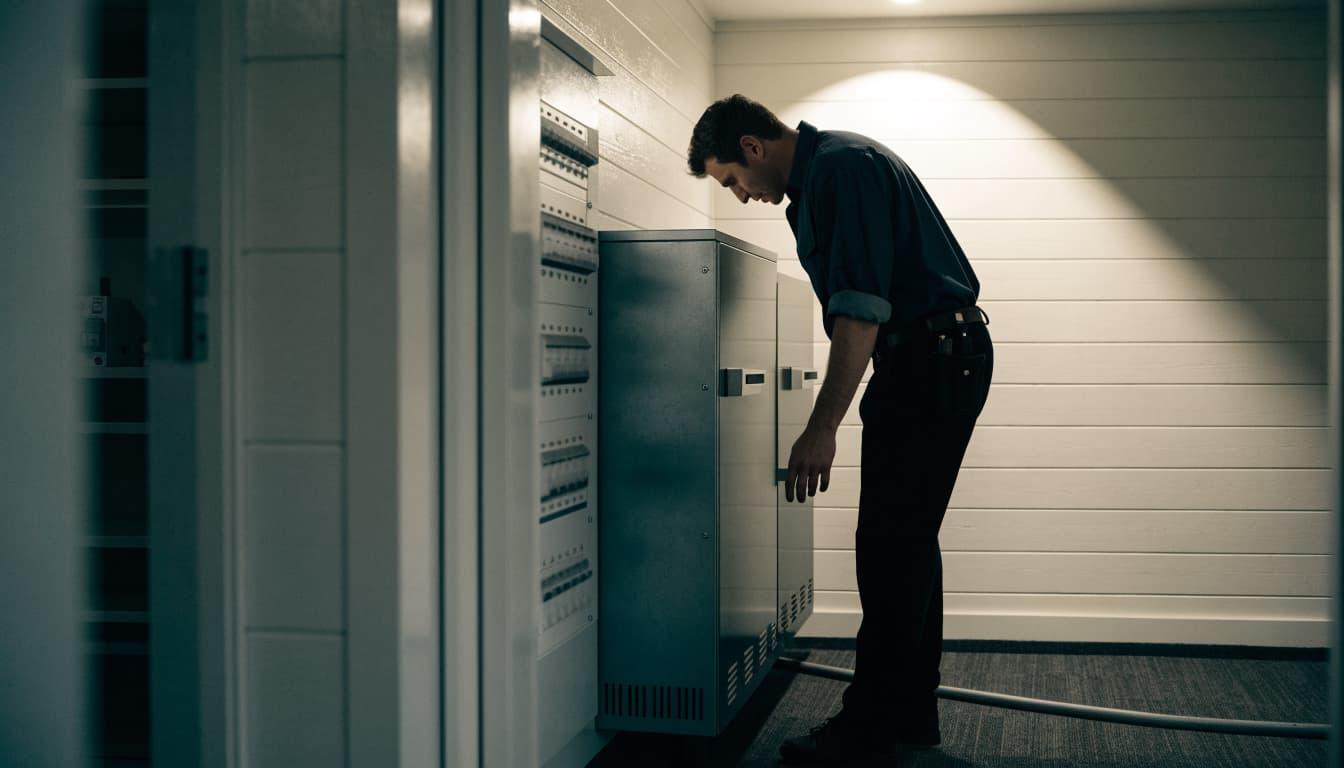
Manual Transfer Equipment
A manual transfer switch moves selected circuits between their normal supply and the generator supply. An interlock uses a mechanical device on a compatible panel to prevent the utility main breaker and generator breaker from being engaged together.
Both arrangements need to match the equipment they're installed with. Our comparison of interlock kits and transfer switches explains how the two approaches differ.
For troubleshooting, identify which arrangement you have and read its exterior labels. Note any visible damage or unclear markings. Don't remove the interlock, alter its movement, or make changes inside the panel.
Automatic Transfer Equipment
A standby generator commonly works with an automatic transfer switch. The switch handles the changeover when the system detects a utility outage, and the backup plan may cover selected circuits or a broader portion of the home.
Look at accessible status displays for messages and record what they say. If the engine is running but the expected circuits remain dark, an electrician or qualified generator technician can assess the generator and transfer system together.
Don't open the transfer switch cabinet to investigate. Components inside electrical equipment can remain energized even when household lights are out.
Identify the House Main Breaker and Panel
Your home's main breaker is part of the electrical service, and its role in generator operation depends on the installed transfer arrangement. With an interlock, for example, the main breaker is part of the equipment's mechanical source separation.
Find the main panel and note the labels you can read from outside. Also record any visible breaker indication that seems unusual, along with the names of affected circuits. This gives your electrician a starting point without requiring you to handle wiring.
Panel labels are helpful, but they aren't always complete. Additions, renovations, or an older directory can make the layout harder to interpret. If you can't confidently identify the generator equipment or main disconnect, leave it alone.
Keep the area around the panel accessible. If you see corrosion, an open panel, water nearby, or signs of heat damage, stay clear and request professional help.
Inspect the Inlet and Generator Cable Visually
A portable generator connected to a house typically uses an inlet and a compatible cable as part of its backup setup. The inlet is the connection point for the generator supply, not an ordinary household receptacle.
Look at the cable and inlet from a safe position. Note visible cuts, crushed sections, discoloration, damaged plugs, or signs of moisture. Keep people and pets away from equipment that appears damaged, and don't handle a wet or damaged connection.
The cable, inlet, transfer equipment, and generator must work together as a system. An electrician can assess whether those components are appropriate for the installation and identify any repairs needed.
If your home doesn't have a proper generator inlet and transfer arrangement, don't improvise a connection. Use the generator only in accordance with its instructions while arranging a suitable installation.
Consider the Connected Load
A generator has to support the equipment connected to it. The demands of a furnace, refrigerator, well pump, sump pump, or other appliance can differ, and some motors need extra power when they start.
Make a list of the appliances and circuits you expect to use during an outage. Include equipment that starts automatically, such as a pump or heating system. If someone depends on powered medical equipment, include its needs in the household backup plan.
A system that powers a few lights may still need a closer assessment before you rely on it for larger appliances. An electrician or qualified generator technician can review the intended loads alongside the generator and transfer equipment.
A regular generator exercise is useful, but a no-load run establishes only that the engine starts. It doesn't prove the full backup system will carry the intended household load. Our standby generator maintenance checklist covers professional load testing and other maintenance considerations.
Know When to Stop and Call an Electrician
Stop troubleshooting if you see smoke, sparks, exposed wiring, water in electrical equipment, or signs of heat damage. Keep others away from the area. If there's an immediate fire or other emergency, leave the area and call 911.
Professional help is also appropriate when a breaker or GFCI repeatedly indicates a trip, a transfer switch shows a fault, or you're unsure which equipment supplies the backup circuits. Don't bypass a safety device or keep operating equipment that shows damage.
Before calling, gather the observations you've made: which circuits work, any generator or transfer-switch messages, and what you can see on accessible equipment. Mention whether you have a portable generator or a permanently installed standby unit.
At Sirois Electric, we provide electrical repairs and generator installation in Greater Boston. We can help assess the home's electrical connection and identify work needed for a safe backup setup.
A Running Generator Is Only the Starting Point
A running engine is encouraging, but the household circuits tell you whether backup power has reached the places you need it. Begin with safe observations and keep a record of what works.
For anything beyond visible checks, rely on a qualified professional. A properly assessed generator connection gives you a clearer picture of what your home can depend on during an outage.