
Home Generator Installation Cost in Greater Boston

Contact Us
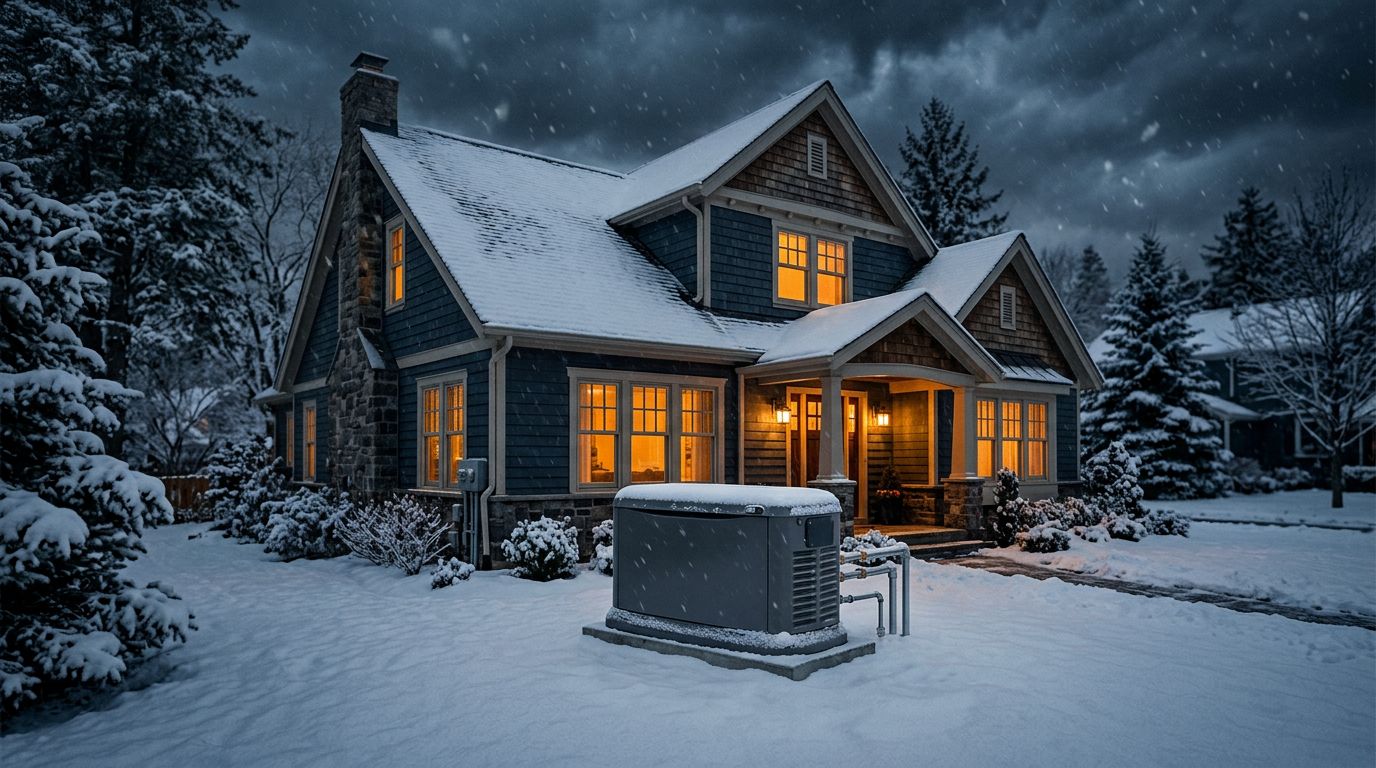
A winter outage can turn a warm house into a cold, dark problem faster than most homeowners expect. In Greater Boston, home generator installation cost covers far more than the generator sitting outside.
A whole-home standby system needs a safe fuel connection, an automatic transfer switch, electrical integration, site preparation, permits, and inspections. Those details explain why two homes on the same street can receive very different estimates.
For 2026, most Greater Boston homeowners should plan for a low-five-figure investment, then refine that number after an on-site review.
Home Generator Installation Cost in Greater Boston: 2026 Ranges
A realistic planning range for a permanently installed 14 to 26 kW standby generator is $11,000 to $25,000 in Greater Boston. Many straightforward 20 to 22 kW projects fall between $15,000 and $21,000.
The lower end usually fits a home with accessible fuel service, a clear installation area, and an electrical panel that can accept the needed equipment. Older homes, long fuel runs, tight lots, panel work, and trenching push the number higher.
| Generator Size | Typical Installed Cost | Often Included | Often Excluded |
|---|---|---|---|
| 14 to 18 kW | $11,000 to $16,000 | Generator, transfer switch, standard pad, basic electrical work, routine permits | Panel upgrades, long gas runs, propane tank costs, landscape repair |
| 20 to 22 kW | $15,000 to $21,000 | Larger generator, transfer equipment, pad, typical fuel and electrical connections | Complex utility work, extensive trenching, service upgrades |
| 24 to 26 kW | $18,000 to $25,000 | Higher-output unit, transfer switch, normal installation labor, basic permitting | Major electrical upgrades, difficult access, large fuel-system changes |
These are installed planning ranges, not generator-only prices. Published 2026 starting-price estimates for Generac Guardian units run from about $5,139 for a 14 kW model to roughly $7,899 for a 26 kW model before installation.
The gap between equipment price and final price pays for the work that lets the system start automatically and power the home safely.
Generator Size Drives Cost, but Household Loads Drive Size
Square footage offers only a rough clue. A smaller home with central air, an EV charger, electric cooking, and a sump pump may need more capacity than a larger home with gas heat and fewer major loads.
An electrician should review the equipment you want powered during an outage. Heating and cooling systems, well pumps, refrigerators, electric ranges, medical equipment, and garage doors all affect the calculation.
What 14 to 18 kW Systems Can Cover
A 14 to 18 kW generator can suit many homes with gas heat and a focused backup plan. It may support lights, refrigeration, internet equipment, a sump pump, boiler controls, and selected household circuits.
However, it may not comfortably handle every high-demand appliance at once. Central air, electric resistance heat, and electric dryers can change the load picture quickly.
Why 22 to 26 kW Units Cost More
Larger units are common when homeowners want broader coverage for central air conditioning, a heat pump, larger kitchens, well pumps, or multiple simultaneous loads. The generator itself costs more, yet it can also require a larger fuel line and more careful load management.
A 26 kW unit isn't automatically the right choice for a large house. An electrical load calculation for a Greater Boston home helps determine what the service and backup system can support.
What a Complete Standby Generator Estimate Includes
A clear estimate separates the generator purchase from the physical work around it. That makes it easier to see whether a lower quote leaves out necessary items.
Equipment, Pad, and Site Preparation
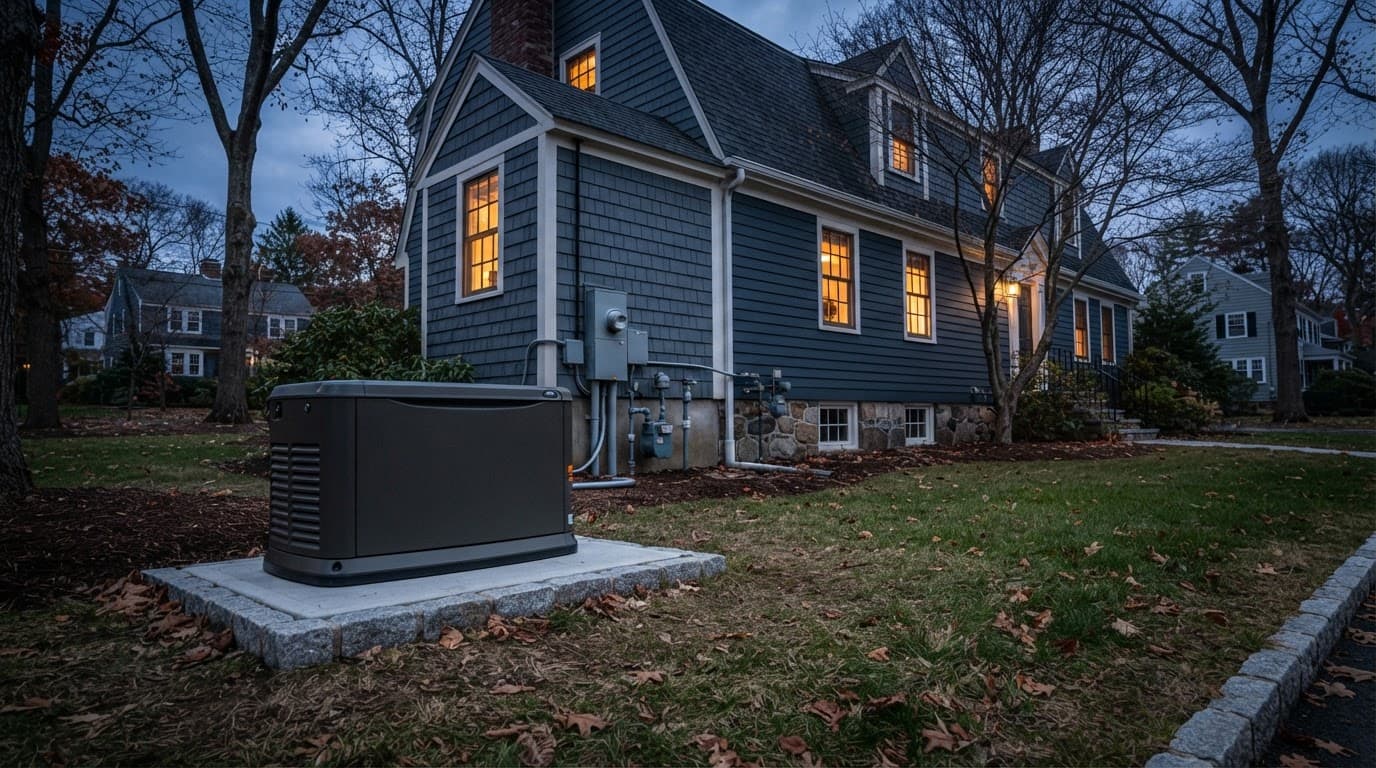
Most projects include the generator, an automatic transfer switch, a concrete or composite pad, delivery, exterior connections, and conduit. In Greater Boston, a basic pad often falls around $400 to $1,200, depending on site grading and material.
The proposal should also state where the unit will sit. Moving shrubs, rebuilding a fence section, cutting pavement, or restoring landscaping may fall outside a standard installation price.
Labor, Fuel Work, and Filing Fees
Local cost estimates commonly place electrical connection and wiring around $1,100 to $2,700. Fuel line and hookup work can range from $1,100 to $3,400, while installation labor often adds $1,400 to $3,400.
Permit and inspection allowances may run $300 to $800 once filing, coordination, and required inspections are considered. Actual municipal permit fees may be lower, but the complete process still takes time and labor.
A quote that lists only a generator and "installation" can hide the fuel, transfer-switch, permitting, and electrical work that determines the final bill.
Natural Gas and Propane Change the Project Scope
Every standby generator needs a dependable fuel supply. Natural gas and propane both work well, but each creates different planning and cost questions.
Natural Gas Depends on Line and Meter Capacity
Natural gas can be convenient because it doesn't require on-site fuel delivery. Still, the existing meter and gas piping must have enough capacity for the generator alongside boilers, water heaters, ranges, and other gas appliances.
A long route from the meter, limited capacity, or a needed meter change can add cost. The fuel professional and gas utility may need to coordinate before installation begins.
Propane Adds Tank and Delivery Planning
Propane gives homeowners an option where natural gas is unavailable or impractical. Yet the project may include a tank lease or purchase, delivery access, a tank location, and fuel-line routing.
Some municipalities ask for propane details during permitting. Hamilton's 2026 generator checklist, for example, asks whether a propane tank is in-ground or above-ground. That local requirement won't apply everywhere, but it shows why fuel planning belongs in the first site visit.
Electrical Capacity and Transfer Switch Work
The automatic transfer switch is the heart of a standby installation. It disconnects the home from the utility during an outage, then transfers power back when normal service returns.
Transfer switch equipment often costs about $800 to $2,000 before related labor and wiring. The final setup may also include load-management modules when the generator can't support every large appliance at the same time.
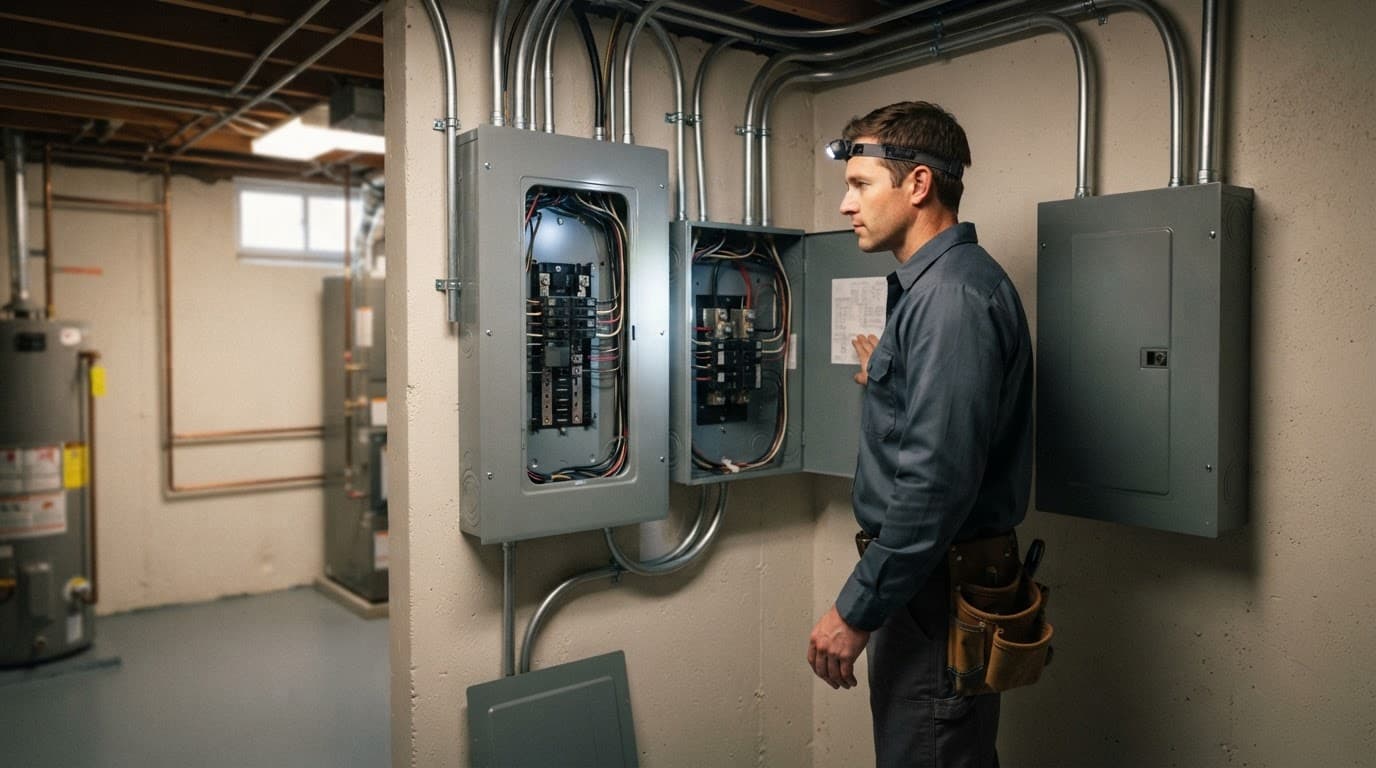
An Older Panel Can Raise the Budget
A generator doesn't always require a service upgrade. Still, an older 100-amp panel may lack space, show corrosion, or fail to support the home's current and planned electrical demand.
When panel work, meter equipment, grounding, or service conductors need attention, the home generator installation cost can rise well beyond the generator package. Review Greater Boston service upgrade costs separately so the generator estimate stays clear.
Whole-Home Power Can Include Load Management
"Whole-home" doesn't always mean every appliance can run at full power at once. A properly designed system may prioritize heating, refrigeration, lighting, and other essential circuits while delaying less urgent loads.
That approach can prevent oversizing the generator. It also gives homeowners a more realistic view of what will operate during a long outage.
Permits, Placement, Noise, and Inspections
Greater Boston has no single permit process for residential generators. Each city or town can set its own filing requirements, siting standards, fees, and inspection sequence.
Local Rules Affect Timing
Generator work may require electrical permits plus gas, mechanical, or building approvals, depending on the municipality and the scope. Hamilton, Massachusetts requires approved permit applications before work begins and asks for a generator site plan and equipment specifications.
Its checklist also references side and rear-yard setbacks, plus a 25-foot setback standard unless the Building Commissioner approves another arrangement. Those numbers are a local example, not a rule for every Greater Boston property.
Tight Lots Need a Careful Placement Plan
Manufacturer clearances, property-line setbacks, exhaust direction, windows, walkways, and snow removal all matter. Manufacturer clearance requirements do not replace local setback rules.
Noise also deserves attention. There isn't one Boston-wide residential generator decibel limit that applies everywhere. Local zoning rules and nuisance standards can vary, so homeowners should consider neighboring bedrooms, patios, and property lines before selecting a location.
Final inspections may involve electrical and fuel-related work. Confirm who will file permits, schedule inspections, and address corrections before the project starts.
How to Compare Generator Quotes Without Surprises
The lowest number isn't always the lowest finished cost. A complete proposal should make the scope visible so you can compare similar systems.
Look for these details before choosing an installer:
- The exact generator model, kilowatt rating, fuel type, and warranty terms should appear in writing.
- The transfer switch, load-management equipment, panel modifications, and new circuits should be listed.
- Fuel work should identify the expected route, connection point, and responsibility for utility or propane coordination.
- Site preparation should state the pad type, trenching assumptions, access limits, and restoration work.
- Permit filing, inspections, startup testing, and excluded work should be clear.
Budget for Ownership After Installation
Standby generators need periodic exercise, maintenance, and occasional replacement parts such as batteries, filters, and oil. Follow the manufacturer's service schedule and keep fuel-related equipment in good working order.
As of August 2026, Massachusetts homeowners shouldn't assume a state rebate will offset a natural-gas or propane standby generator. State energy incentives more often focus on battery storage and demand-response programs. A detailed Greater Boston generator installation guide can help you organize the questions to ask before requesting estimates.
A Clear Scope Produces a Reliable Price
A standby generator can protect heat, refrigeration, pumps, and daily routines during an outage. Yet the most reliable budget includes the generator, fuel supply, transfer equipment, permits, electrical work, and site conditions.
The right system size comes from the loads you need, not a guess based on square footage. A detailed on-site estimate turns the broad home generator installation cost range into a practical plan for your property and municipality.