
Shared Neutral Circuit in an Older Home: What It Means

Contact Us
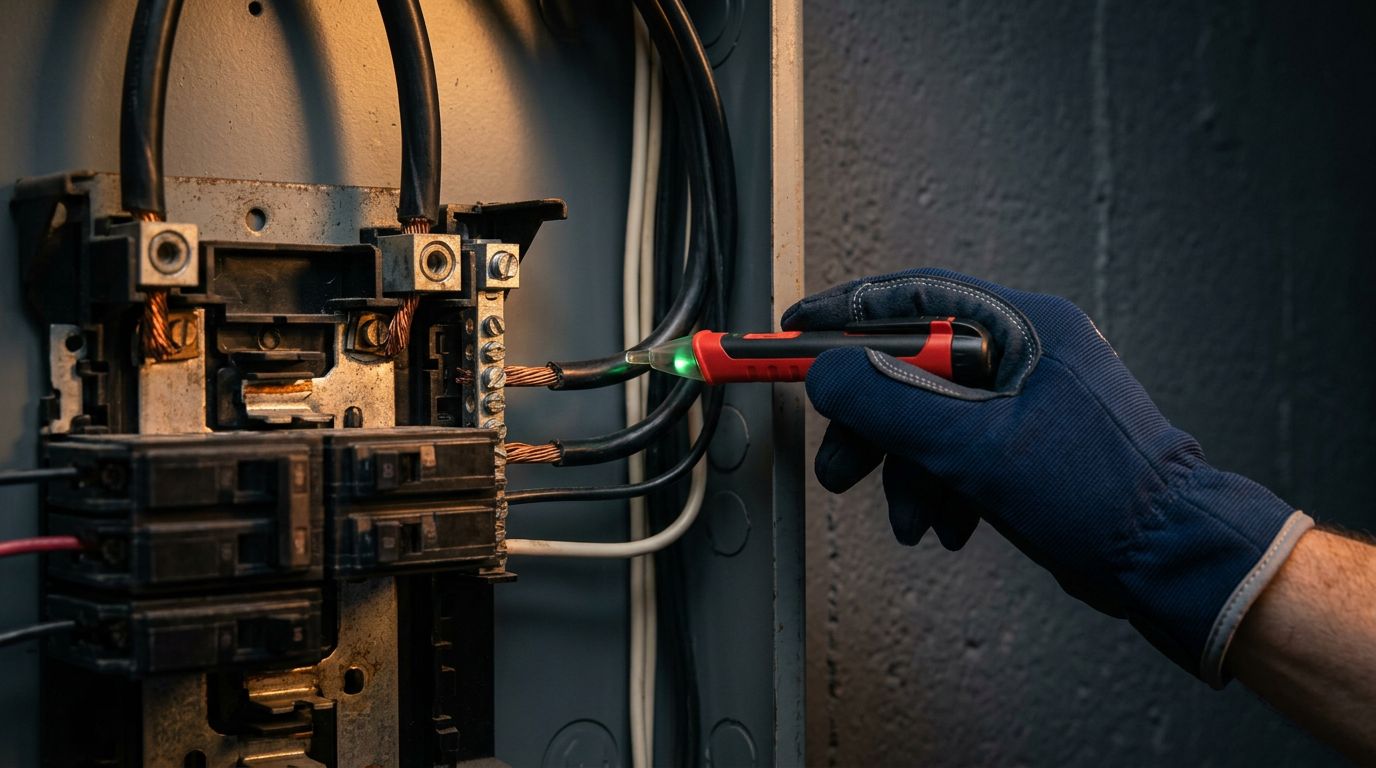
An electrician may mention a shared neutral circuit after opening an older home's panel, and the phrase can sound more alarming than it is. This wiring arrangement can be safe when installed correctly, but a loose connection, mismatched breakers, or an overloaded neutral can create serious problems.
The setup is common in older homes that have seen additions, kitchen remodels, or several rounds of electrical work. Understanding what the shared neutral does will help you decide whether you need a repair, further testing, or a larger upgrade.
Key Takeaways
- A shared neutral circuit uses one neutral conductor for two separate hot conductors.
- The two hot wires must connect to opposite legs of the electrical service.
- A loose neutral or incorrect breaker arrangement can create shock, overheating, and equipment risks.
- Never disconnect or rewire a shared neutral circuit yourself.
- A licensed electrician can test the circuit, inspect the panel, and recommend a safe correction.
What a Shared Neutral Circuit Actually Is
A shared neutral circuit is also called a multiwire branch circuit , or MWBC. It has two ungrounded, or hot, conductors and one grounded, or neutral, conductor. The two hot wires supply separate loads, while the neutral provides the return path for the difference between those loads.
For example, one hot wire might supply bedroom receptacles while the second supplies hallway lighting. Both circuits use the same neutral wire back to the electrical panel. The arrangement can reduce the amount of cable needed, which made it useful when electricians wired older homes.
The two hot conductors must connect to opposite legs of the home's 120/240-volt service. When they do, the neutral carries only the imbalance between the two loads. If one circuit draws 8 amps and the other draws 5 amps, the neutral carries about 3 amps.
That balance changes when appliances turn on and off. The neutral still needs to remain continuous and properly sized for the circuit. A shared neutral isn't a spare wire, and it must never be treated as an ordinary conductor that can be disconnected independently.
A correctly installed arrangement normally has a common disconnect. Depending on the equipment and applicable code requirements, that may involve a two-pole breaker or properly connected handle-tied breakers. Both hot conductors should disconnect together so nobody can work on one portion while the other remains energized.
Why Shared Neutral Circuits Appear in Older Homes
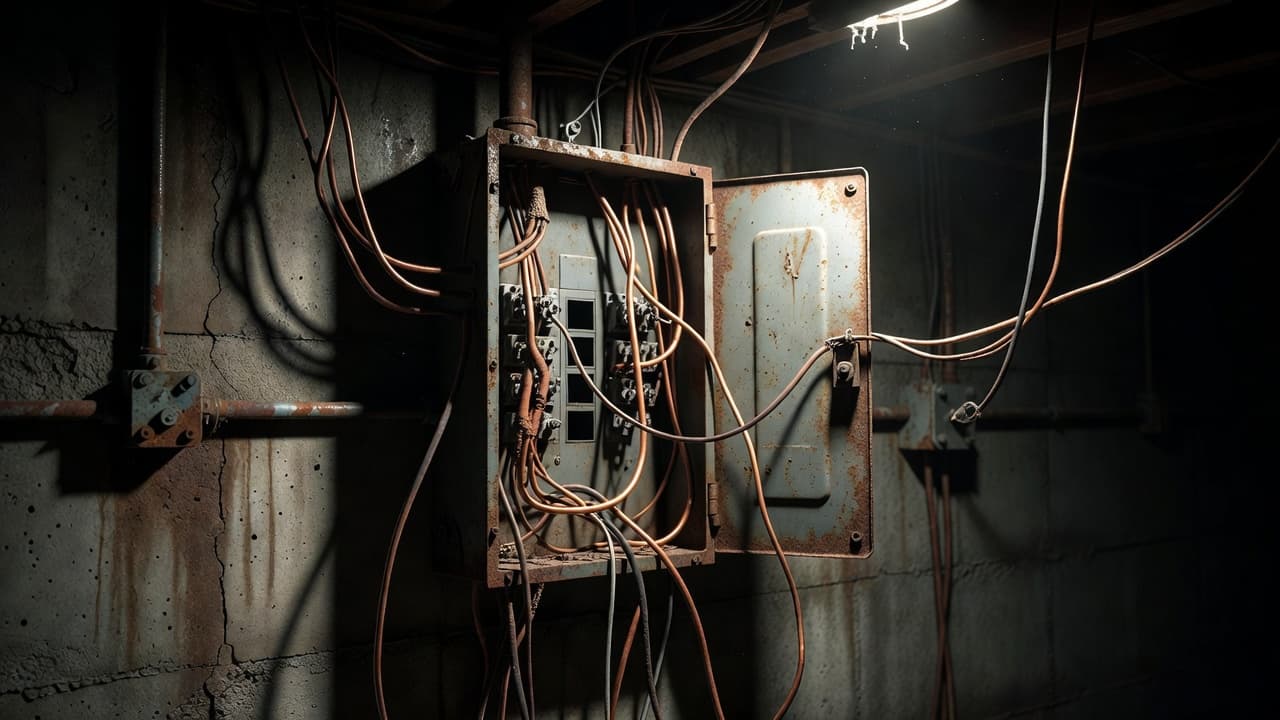
Older homes often contain wiring installed under electrical rules and construction practices that differ from today's expectations. Previous owners may also have added rooms, converted attics, or remodeled kitchens without replacing the original branch-circuit layout.
A shared neutral circuit may run between a panel and a junction box, then split toward separate areas of the home. Later work can make the arrangement difficult to identify, especially when wires pass through finished walls or older metal boxes.
The wiring itself isn't automatically defective. The concern is whether someone modified it incorrectly over the years. Common problems include:
- Two hot conductors connected to the same service leg
- Breakers that don't disconnect both hot wires together
- A neutral connection shared with an unrelated circuit
- Loose connections inside the panel or a junction box
- A neutral conductor damaged during remodeling
- New receptacles added without proper circuit protection
Older panels can add another complication. Some homes still have fuse boxes, outdated breaker panels, or limited service capacity. A shared neutral may be only one part of a larger electrical issue.
If your panel is crowded, shows heat damage, or frequently trips, review these electrical panel upgrade warning signs with a licensed electrician. Replacing one breaker won't correct every problem in an aging system.
When a Shared Neutral Becomes Dangerous
The most serious concern is a loose, open, or damaged neutral . With a sound neutral, the two hot circuits operate independently at the proper voltage. If the neutral connection fails, the loads can behave like two devices connected in series across the service.
Voltage may then divide unevenly between the loads. A lightly loaded circuit can receive more voltage than expected, while a heavily loaded circuit receives less. Lights may become unusually bright or dim, and sensitive electronics can suffer damage.
A faulty neutral connection can also heat up. Loose terminals create resistance, and resistance produces heat when current flows. Signs of trouble may include:
- Lights changing brightness when appliances start
- Flickering that affects several rooms
- Buzzing or crackling near the panel
- Warm receptacle covers or switch plates
- A burning odor
- Discolored wires, breakers, or panel covers
- Repeated breaker trips without a clear cause
A second hazard occurs when both hot conductors land on the same leg of the service. In that arrangement, the neutral may carry the combined current instead of the difference between the two circuits. If the neutral isn't protected for that total load, it can overheat while the individual breakers remain within their ratings.
A shared neutral can look normal at a receptacle while the real problem sits inside the panel or an inaccessible junction box.
Grounding and bonding errors create additional risk. The neutral and equipment grounding conductor have different jobs. A shared neutral doesn't give permission to use a ground wire as a substitute, connect neutral and ground together downstream, or remove a grounding connection.
GFCI and AFCI protection also require careful treatment. A shared-neutral circuit can affect how protective devices monitor current. The correct solution depends on the circuit layout, breaker type, panel listing, and current local requirements. An electrician should identify every conductor before replacing a standard breaker with a GFCI or AFCI device.
How an Electrician Inspects the Circuit
An electrician begins by identifying the circuit conductors at the panel. This includes tracing both hot wires, locating their shared neutral, checking breaker positions, and confirming whether the conductors terminate in the same branch circuit or connect to other wiring.
Testing can include voltage measurements between each hot and neutral, voltage between the two hots, continuity checks with power removed, and inspection of terminal tightness and conductor condition. The electrician may also check for heat damage with visual inspection or an infrared tool.
The panel inspection should answer several practical questions:
- Are the two hot conductors on opposite service legs?
- Do both hot conductors disconnect together?
- Is the neutral continuous from the loads back to the correct termination?
- Does the neutral have the correct size and insulation?
- Are all junction boxes accessible and properly spliced?
- Does the circuit have the protection required for its location and use?
A professional may need to open receptacle boxes, lighting boxes, or ceiling junction boxes. Turning off one breaker doesn't prove the entire circuit is dead. One hot conductor may remain energized through the other breaker.
Homeowners should report symptoms rather than attempt tests inside the panel. A simple description, such as "the dining room lights brighten when the washer runs," can help the electrician focus the inspection.
Repair or Replace: What Usually Happens Next
The repair depends on what the inspection finds. If the circuit is correctly arranged but has a loose termination, the electrician may secure or replace the connection and test the circuit under load.
If both hot wires share a service leg, the electrician may move one conductor to the correct leg, replace incompatible breakers, or reconfigure the circuit. That work requires an accurate panel assessment, because breaker placement and service equipment vary.
A damaged neutral may require new cable or accessible rewiring. When the circuit runs through finished walls, repair costs can increase because the electrician may need to open surfaces or install a new route. In some cases, separating the circuits completely is the cleaner long-term repair.
A panel replacement may make sense when the existing equipment has corrosion, heat damage, obsolete components, insufficient spaces, or other defects. A service upgrade can also be part of a larger renovation, but a shared neutral by itself doesn't automatically require a 200-amp service.
For local planning, pricing for electrical service upgrades can help frame the difference between a basic panel replacement and a more complex older-home project. The final price depends on access, permits, conductor condition, service size, and required corrections.
What Homeowners Should Do Before the Electrician Arrives
Stop using a circuit if you notice burning smells, hot electrical covers, visible damage, or severe light fluctuations. If safe to do so, turn off the affected breaker and keep people away from damaged equipment. Don't remove the panel cover or loosen any wire.
Write down which rooms, appliances, lights, or receptacles show symptoms. Note whether the problem starts when a dryer, microwave, HVAC system, water heater, or other high-load equipment runs.
Gather any records from past electrical work. Permit information, renovation dates, and photos from earlier repairs can help reveal why the shared neutral exists and where it may run.
If you're planning an addition, EV charger, heat pump, generator, or kitchen remodel, ask for a load calculation before adding circuits. A home with 100-amp service may not have enough capacity for every planned upgrade. Compare the needs of your equipment with 100-amp and 200-amp electrical service before choosing a panel or service solution.
Conclusion
A shared neutral circuit in an older home is a specific wiring arrangement, not an automatic sign of unsafe work. It becomes hazardous when the hot conductors, neutral, breakers, or grounding connections no longer work together as intended.
Flickering lights, heat, odors, and unexplained voltage changes deserve prompt attention. A licensed electrician can trace the circuit, test the neutral, verify the breaker arrangement, and determine whether a focused repair or broader electrical upgrade is appropriate. The safest answer starts with inspection, not guesswork.