
Why LED Lights Glow After You Turn Them Off

Contact Us
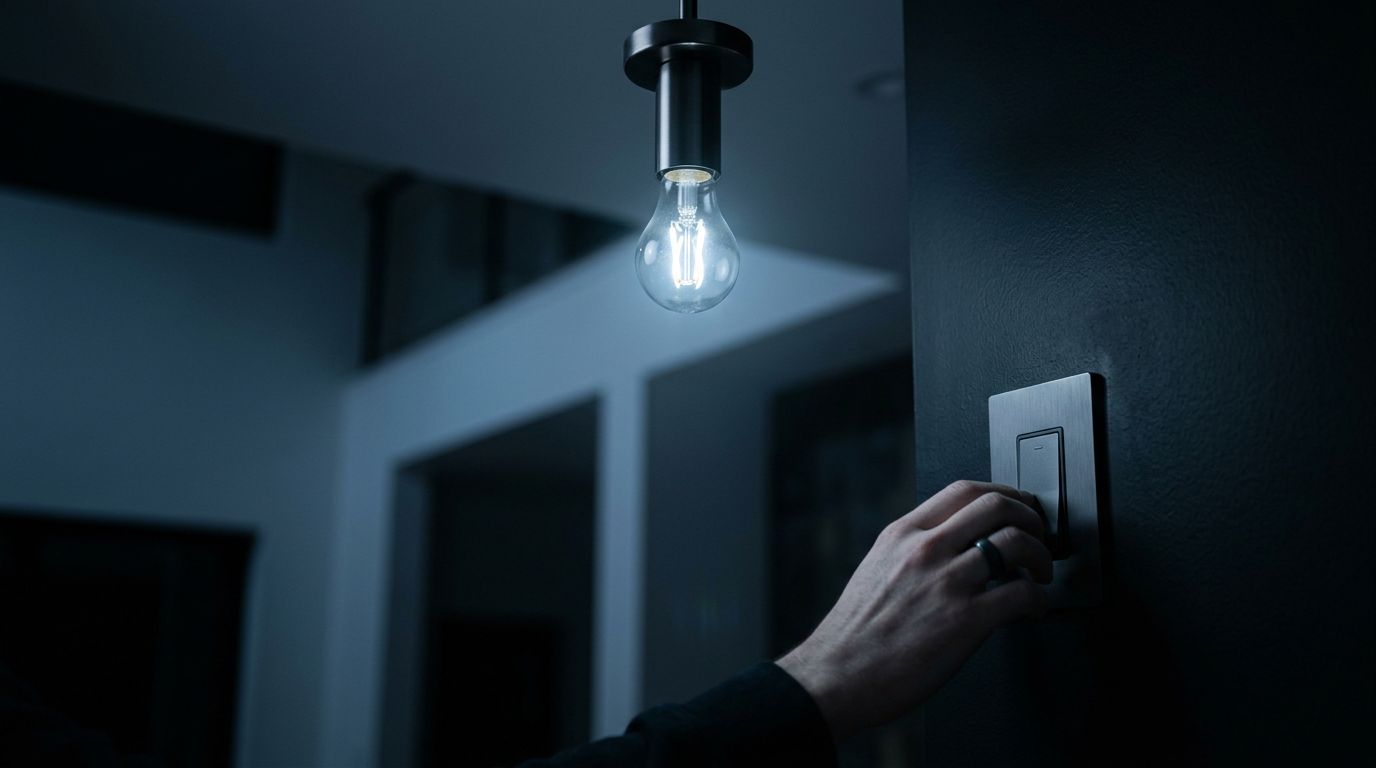
You flip the switch, the room goes dark, and then the LED bulb gives off a faint glow anyway. That can feel like a wiring problem, but it isn't always serious.
A faint afterglow is often a normal quirk of LED lighting. A steady glow, or one that comes with flickering, buzzing, or a warm switch, deserves a closer look.
What makes LED lights glow after power is off
LED bulbs work differently than old incandescent bulbs. Inside the bulb is a driver, and that driver can hold a small amount of charge for a moment after the switch is turned off. When that charge bleeds away, the bulb may glow briefly before fading out.
Tiny amounts of current can also sneak through the circuit. That happens often with incompatible dimmers , illuminated switches, smart switches, or switches with built-in indicator lights. The current is so small that an old filament bulb would ignore it, but an LED can react to it.
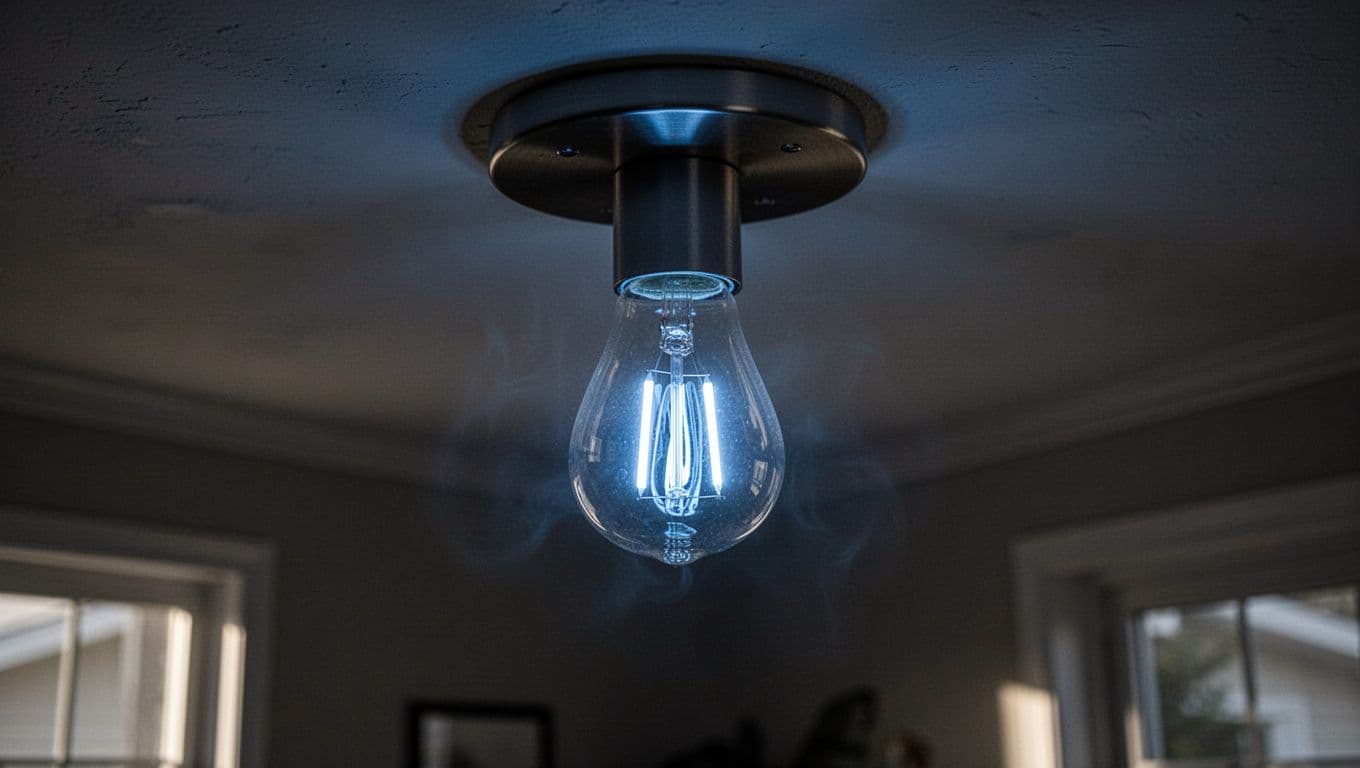
Bulb quality matters too. Some LEDs are more sensitive to stray current than others, so one brand may stay dark while another glows. That is why the same fixture can behave differently after a simple bulb swap.
When the glow is normal and when it points to trouble
The pattern tells you a lot. A brief glow that fades in a second or two usually comes from leftover charge in the bulb. It is common, especially right after the light has been on.
A glow that stays on for a long time is different. So is a fixture that brightens, flickers, or affects more than one light on the same circuit. Those signs suggest current is still finding its way through the system.
- Usually harmless : the glow is faint, fades fast, and happens in one fixture only.
- Needs attention : the light stays visible for minutes, or comes back every time you switch it off.
- More concerning : the switch feels warm, the fixture buzzes, or the same circuit also shows flickering.
- Call sooner : more than one room acts up, or the problem changes when you use a dimmer.
A small glow usually points to a bulb or switch mismatch. A glow that behaves like a weak, unwanted light source can point to wiring that needs testing.
If you also notice flicker, the issue may be related. Troubleshooting flickering lights often leads to the same kind of diagnosis, because the bulb, switch, and circuit all need to work together.
Simple fixes homeowners can try first
Start with the easiest fix. If the bulb is old, low quality, or not marked for dimmer use, replace it with a better LED from a known brand. Make sure the box says dimmable if the fixture is on a dimmer.
Next, look at the switch. Older dimmers often leak a small amount of current, and many LED bulbs react to that leakage. An LED-rated dimmer usually solves the problem. If the switch has a glowing indicator, that light can also feed a tiny current through the circuit.
A few practical steps help narrow it down:
- Replace the bulb with another LED of the same type.
- Test the fixture with a different, LED-compatible dimmer.
- Check whether the switch has an indicator light or smart controls.
- Ask about an LED bypass device if the circuit needs one.
A bypass device, sometimes called a load resistor, gives stray current another path so the bulb stops glowing. It is useful in some circuits, but it should be matched to the fixture and installed the right way.
If the glow disappears after a bulb change, you found the source. If it stays, the switch or wiring is the next place to look. That is when professional electrical services in Burlington can save time and prevent guesswork.
When improper wiring is the real cause
Some LED glow problems come from wiring, not from the bulb at all. A loose neutral, a miswired switch leg, or shared wiring in an older home can leave a small voltage where it should not be. That leftover voltage may be too small to worry an incandescent bulb, yet still enough to light an LED.
Improper connections can also make the glow show up in several fixtures on the same circuit. If one light does it, the fix may be simple. If the whole circuit acts oddly, the wiring deserves a proper test.
A licensed electrician can check the switch box, the fixture, and the circuit path with the right tools. They can confirm whether the neutral and hot are landed correctly, whether the dimmer matches the load, and whether a bypass device makes sense for that setup.
If the light issue comes with dimming, stuttering, or other odd behavior, the circuit may need deeper repair. That is especially true in older homes with mixed wiring methods or several generations of fixtures.
Conclusion
When LED lights glow after you turn them off, the cause is often simple. A tiny leftover charge, an old dimmer, or an illuminated switch can keep a bulb faintly lit for a moment.
What matters is the pattern. Brief afterglow is usually harmless. Persistent glow, flickering, heat, or multiple affected fixtures point to a switch, dimmer, or wiring problem that should be checked.
Start with the bulb and the switch. If the glow keeps coming back, the circuit needs a closer look from a licensed electrician.