
Massachusetts Electrical Permit Fees: What Homeowners Should Budget For

Contact Us
A permit may be a small line item in an electrical estimate, but Massachusetts electrical permit fees vary sharply by city and town. Your final project cost can also include inspection charges, electrician labor, materials, reinspection, amendments, and related building permits.
Massachusetts uses a statewide electrical code, but each local authority having jurisdiction, or AHJ, manages applications, fee schedules, inspections, and enforcement. Before work begins, confirm the local rules and ask your electrician exactly which costs are included.
Key Takeaways
- Massachusetts has no single electrical permit fee that applies to every home.
- Boston calculates many fees by amperage, fixtures, outlets, meters, or estimated project cost.
- Brookline and Newton use valuation-based formulas for some permits.
- Cambridge lists separate charges for selected work and a $50 reinspection fee for code violations.
- A permit charge is separate from electrician labor, materials, and a privately hired electrical inspection.
- Starting work before receiving a required permit can trigger additional charges, including triple fees in Cambridge.
- Ask who will pull the permit, schedule inspections, pay reinspection charges, and handle amendments.
Why Massachusetts Electrical Permit Fees Vary by Town
The Massachusetts Department of Fire Services and the Board of Fire Prevention Regulations establish the technical framework through 527 CMR 12.00, the Massachusetts Electrical Code. Cities and towns then administer the local permit process.
That means the same project can receive different fee calculations in Boston, Cambridge, Brookline, Newton, Burlington, or another community. The difference may come from the project type, estimated value, number of fixtures, service size, inspection process, or local administrative charges.
The project scope affects the formula
A new 200-amp service, a Level 2 EV charger, a kitchen remodel, and a simple fixture replacement don't create the same permit workload. A service upgrade may require a load calculation, utility coordination, grounding changes, and multiple inspections. A small replacement may use a simpler fee category.
The local inspector may also classify work differently than a homeowner expects. Replacing equipment in the same location could follow a different process from adding a circuit or changing wiring. Don't assume that a replacement is permit-free.
Local schedules can change
Municipal fee pages are updated at different times. Boston's published electrical pages showed September 2026 update dates, while Cambridge's page showed an August 24, 2026 update. Newton materials also show different dates across separate schedules.
Use the fee schedule for the municipality where the property sits, not a neighboring town's price. If the page is unclear, call the building department or wiring inspector before approving the work.
What an Electrical Permit Fee Covers
An electrical permit fee generally pays the municipality to process the application and inspect the permitted work. It doesn't usually cover the electrician's installation time, wire, breakers, equipment, repair work, or private consulting.

Application and inspection are separate questions
Some municipalities include inspection administration within the permit charge. Others list separate inspection, reinspection, shutdown, maintenance, or specialty charges. The published schedule may also distinguish between a city inspection of permitted work and a private inspection requested by a homeowner.
Boston requires permit fees upfront. After the work is complete, the contractor or permit holder schedules the inspection through the city's online process or Inspectional Services call center. A privately hired electrical inspection is a different service. In Boston, a standard private inspection may cost around $100 to $200 in 2026, depending on scope and documentation.
Ask whether your estimate includes only the municipal permit or also the electrician's time to prepare, attend, and close out inspections.
Wiring may need to remain visible
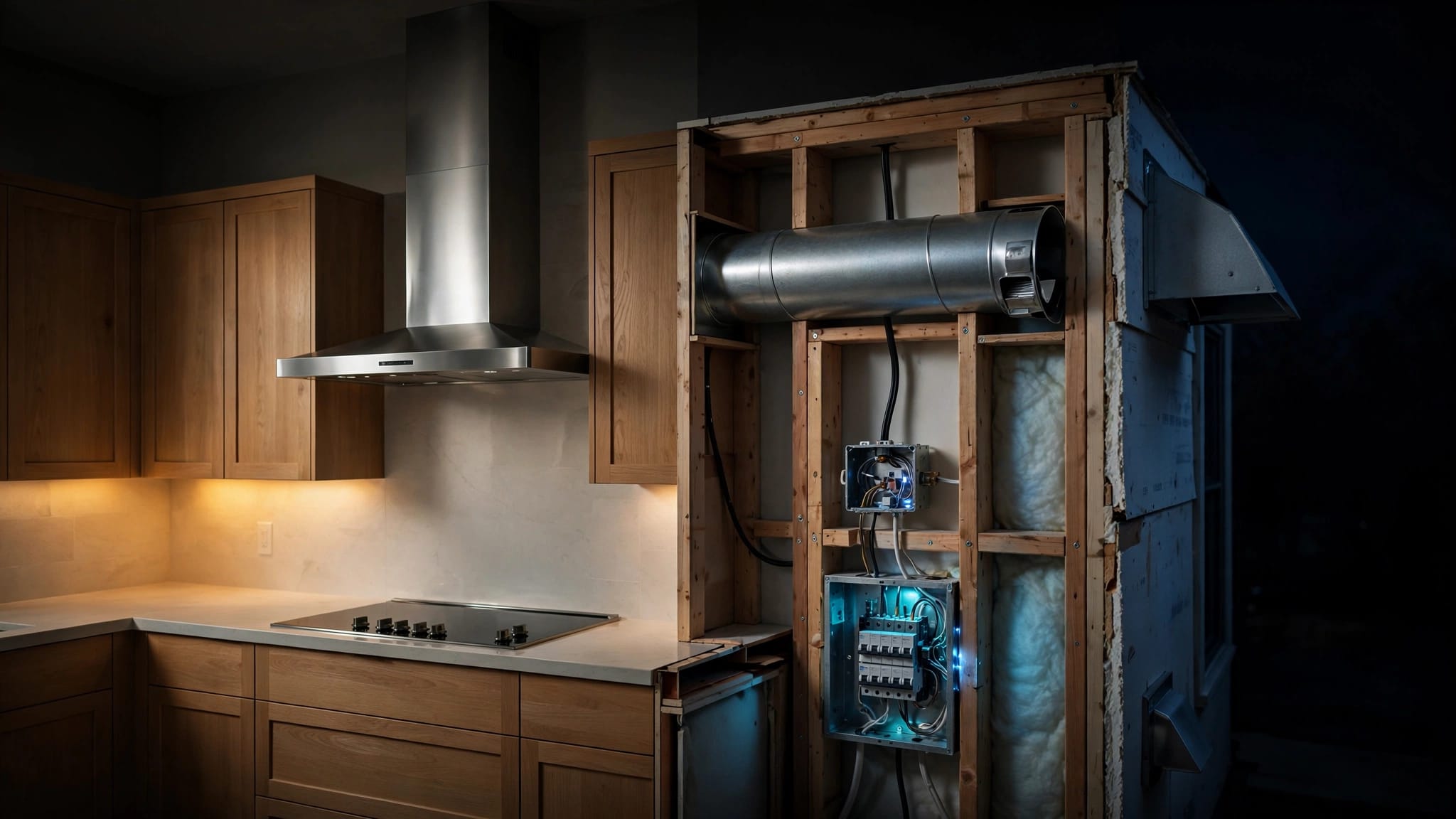
Massachusetts inspection rules generally require new electrical work to remain accessible until the local inspector approves it. That matters during remodels because insulation, drywall, cabinets, or finished ceilings can hide wiring before the rough inspection occurs.
The statewide materials identify inspection timing of up to 24 hours for excavations and up to 72 hours for other installations after proper notice, excluding weekends and holidays. Local scheduling procedures may differ.
The Massachusetts electrical rough inspections guide can help homeowners understand what must be visible before walls are closed.
Verified 2026 Massachusetts Fee Examples
These examples show why a statewide average would be misleading. They are municipal formulas and listed charges, not guaranteed prices for every property.
| Municipality | Verified fee structure or example |
|---|---|
| Boston | $20 plus $0.25 per amp for new or upgraded service up to 240 volts |
| Boston | $20 plus $1 per fixture, plug, or outlet, and $5 per approved meter, when service doesn't change |
| Boston | $20 plus $10 per $1,000 of estimated cost for other electrical work |
| Cambridge | $25 for residential alarm systems, $25 per unit for residential data wiring, and $50 for code-violation reinspection |
| Brookline | $20 per $1,000 of construction value, with a $50 minimum |
| Newton | A listed $20 electrical permit fee, plus a separate valuation schedule with $50 residential minimum |
Boston uses several calculation methods
For new service or a service upgrade up to 240 volts, Boston lists a $20 application charge plus $0.25 per amp. Systems over 480 volts use $20 plus $0.75 per amp.
When the service doesn't change, the listed formula is $20 plus $1 for each fixture, plug, or outlet, along with $5 for each approved meter. Other electrical work uses $20 plus $10 per $1,000 of estimated cost.
These formulas apply to Boston proper. They don't establish a regional standard for Burlington, Woburn, Lexington, or other communities.
Cambridge, Brookline, and Newton use different approaches
Cambridge lists several project-specific charges, including $25 for residential alarm systems and $25 per unit for residential data wiring. It also lists $5 per meter, a $50 code-violation reinspection fee, and separate maintenance permit charges.
Brookline lists electrical permits at $20 per $1,000 of construction value or fraction thereof, with a $50 minimum permit fee. Newton materials show a $20 electrical permit line, while another Newton schedule calculates permits at $20 per $1,000 of estimated construction cost, rounded up, with $50 residential and $100 commercial minimums.
Because the Newton materials use different descriptions, homeowners should verify which schedule applies to their project before budgeting.
Costs Beyond the Permit Charge
The permit is only one part of the electrical budget. A clear estimate should separate municipal charges from every cost the contractor expects to bill.
Labor, materials, and inspection time
Electrician labor may include design, load calculations, permit preparation, installation, testing, cleanup, and inspection coordination. Materials may include cable, conduit, boxes, breakers, disconnects, grounding components, panels, chargers, transfer switches, or fixtures.
Inspection attendance can also affect labor. A contractor may need to return for a rough inspection, final inspection, correction, or utility-related appointment. Ask whether those visits are included or billed separately.
A private electrical inspection has its own price and purpose. It doesn't replace approval by the local wiring inspector for permitted work.
Reinspections, amendments, and corrections
A failed inspection can create two costs. The municipality may charge a reinspection fee, and the electrician may charge for troubleshooting, corrections, travel, and a return visit.
Cambridge lists a $50 reinspection charge for code violations. That amount shouldn't be applied to every Massachusetts community. Other towns may use different fees or include some inspection services in the original permit.
An amendment may also be necessary if the scope changes after permit issuance. For example, adding circuits, changing equipment, or altering the service may require revised documents and another local review.
Budgeting for Common Electrical Projects
Panel upgrades and service changes
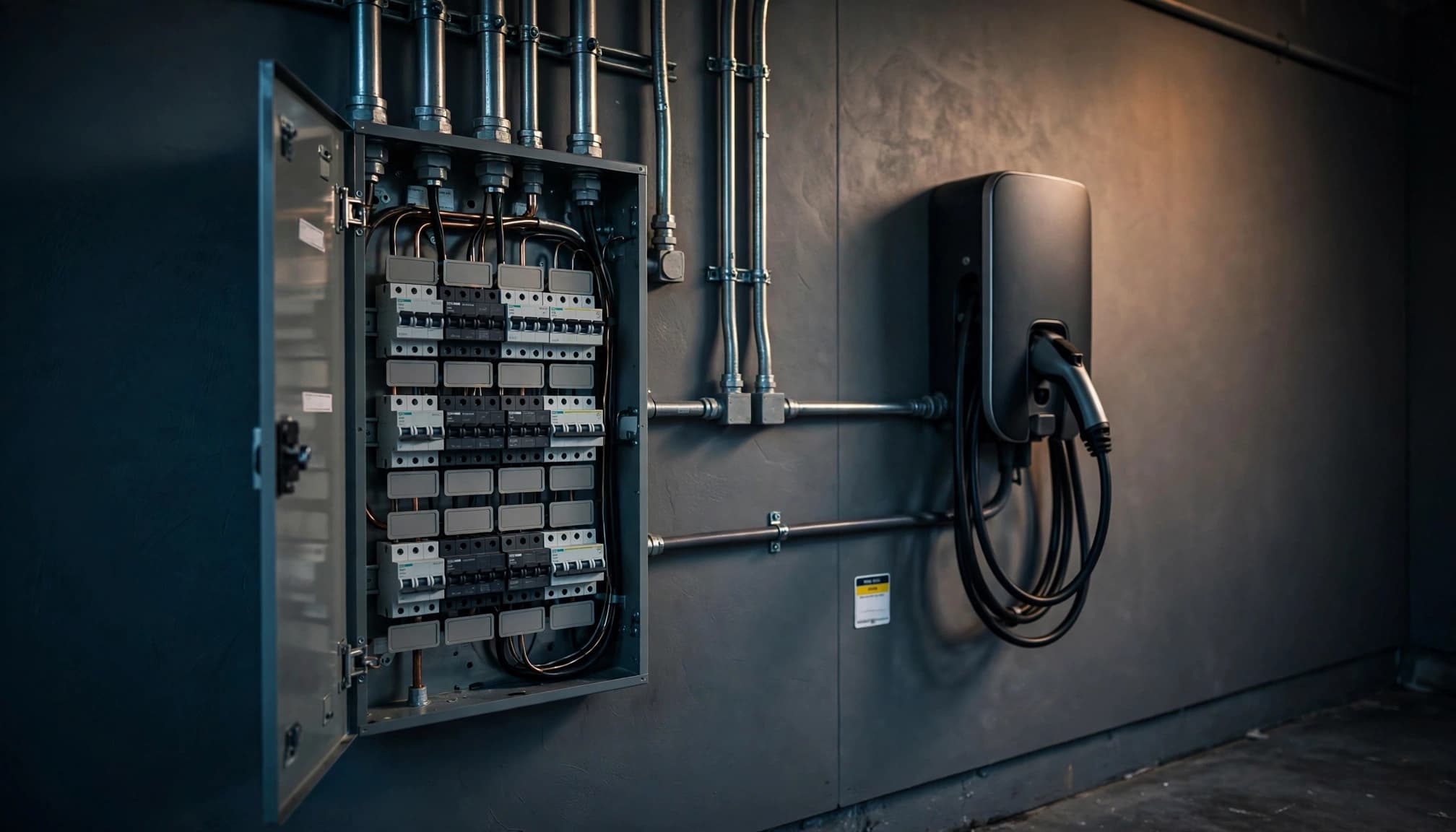
A panel replacement may involve more than swapping the enclosure. The electrician may need to correct grounding, replace damaged conductors, install new breakers, coordinate with the utility, or upgrade the service entrance.
The permit formula may depend on amperage or estimated construction value. Labor and materials can exceed the permit charge by a wide margin, especially in older homes with crowded panels, outdated wiring, or limited service capacity.
Review Greater Boston service upgrade costs for the project items that should appear in a detailed estimate.
EV chargers, generators, and remodels
A Level 2 charger usually requires a dedicated circuit. The project may also involve a load calculation, conduit, a panel upgrade, trenching, or a service change. A standby generator may require electrical, building, gas, or zoning approvals depending on the property and installation.
Kitchen remodels often need permits when circuits, receptacles, appliances, lighting, or wiring locations change. The same applies to additions, finished basements, and substantial interior renovations.
The Massachusetts electrical code updates for homeowners explains how current code requirements and local inspection decisions affect these projects.
Questions to Ask Before Hiring an Electrician
A written estimate is easier to compare when it separates each category of cost. Before approving work, ask:
- Which municipality issues the permit?
- Who will apply for the permit, and whose name will appear as the permit holder?
- Does the quoted price include the municipal permit fee?
- Are inspection scheduling and inspection attendance included?
- How many inspections does the project likely require?
- What happens if the inspector requests a correction?
- Who pays any reinspection, amendment, shutdown, or additional inspection fee?
- Are building, plumbing, gas, fire alarm, or zoning permits also required?
- Will the electrician provide load calculations, drawings, or equipment documentation?
- When can insulation, drywall, cabinets, or other finishes cover the wiring?
Confirm the process with the local AHJ, even when an experienced electrician handles the application. Local requirements may affect inspection timing, forms, online submissions, and documentation.
If you're buying or renovating an older home, review the Massachusetts electrical permit history search before closing walls or assuming existing work was approved.
FAQ About Massachusetts Electrical Permit Fees
Is there one statewide electrical permit fee?
No. Massachusetts sets the electrical code, but cities and towns establish local administrative procedures and fee schedules. Boston, Cambridge, Brookline, and Newton use different formulas and minimums.
Does the electrician's quote include the permit?
Sometimes, but not always. Some contractors include the permit application and municipal charge in the project price. Others list the permit as a separate allowance or pass-through cost. Ask for the exact amount and confirm whether inspection attendance is included too.
Can a town charge for a failed inspection?
Yes, depending on the local schedule. Cambridge lists a $50 code-violation reinspection fee. Other municipalities may use a different amount or process. You may also pay for the electrician's correction and return visit.
What happens if work starts before the permit?
The consequences depend on the municipality. Cambridge states that work started before a required permit can result in triple the specified fee. Other communities may impose different penalties or require additional review. Always obtain required approvals before installation begins.
Conclusion
Massachusetts electrical permit fees depend on the municipality, project scope, service size, estimated value, and inspection requirements. Budget separately for the permit, inspection-related charges, electrician labor, materials, amendments, and possible reinspection.
The most reliable estimate identifies the local fee formula and names the person responsible for each inspection step. Confirm those details before work starts, so the permit process doesn't become an unexpected addition to your electrical bill.