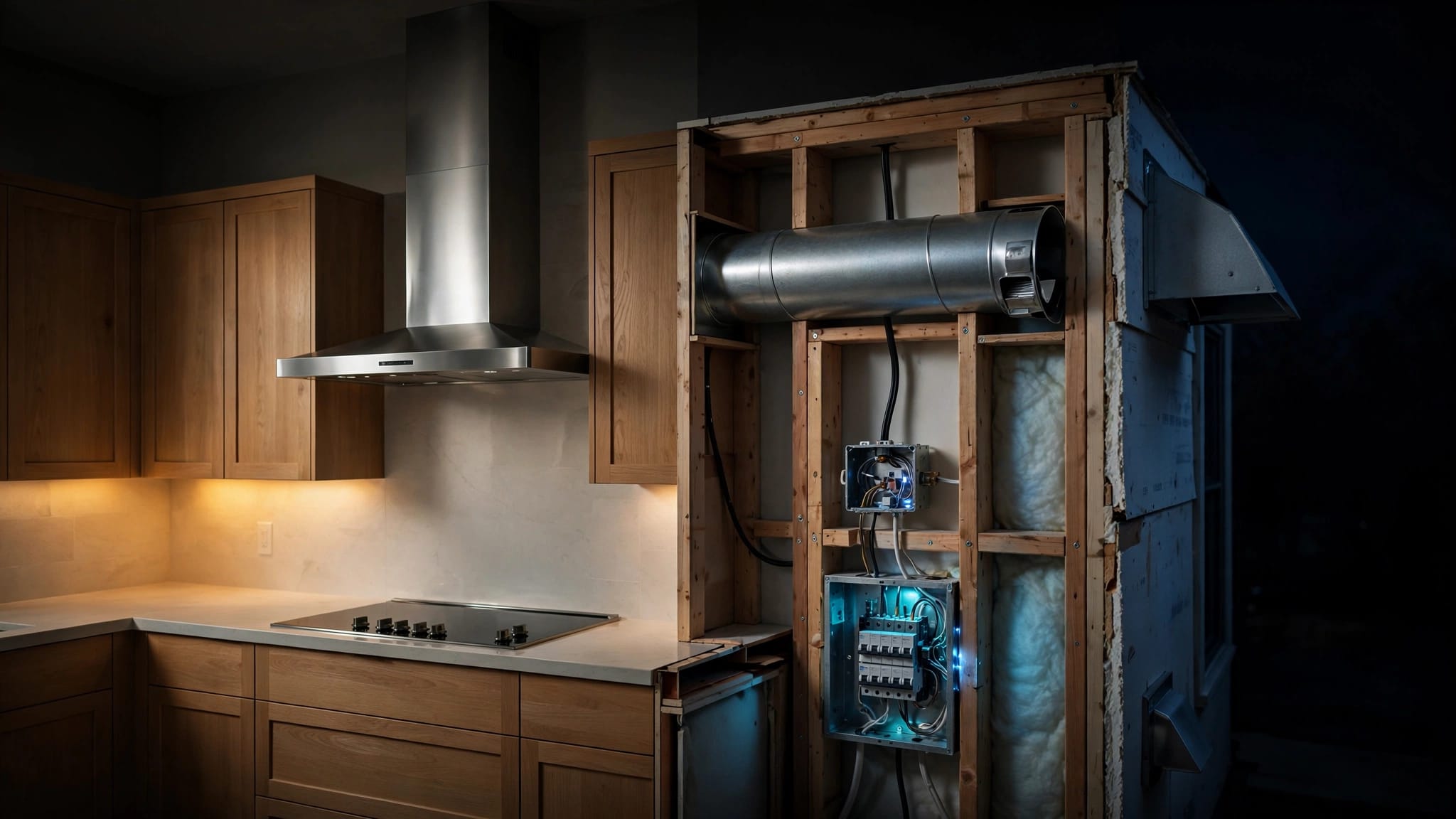

Spring Flood Preparation for Basement Electrical Systems in Massachusetts

Contact Us
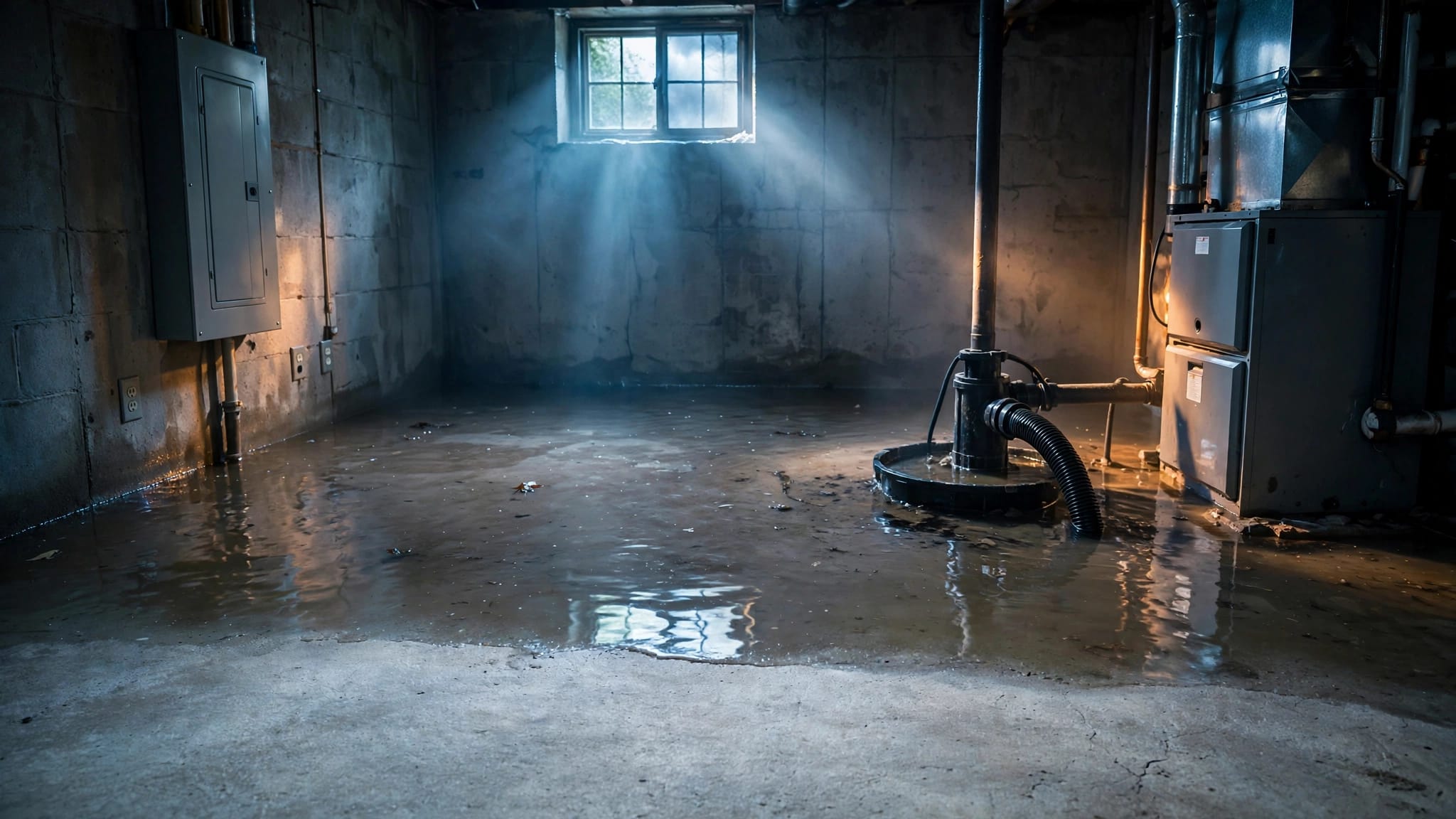
Spring flooding can turn a familiar basement into a serious electrical hazard within minutes. For Massachusetts homeowners, basement electrical safety starts before heavy rain, snowmelt, a failed sump pump, or a burst pipe sends water toward the panel.
Keep people and pets away from flooded areas, avoid contact with water near electrical equipment, and never restore power to wet equipment yourself. Preparation helps you make safer decisions before a storm and avoid rushed repairs afterward.
Why Basement Floodwater Creates an Electrical Hazard
Water can carry electricity from a damaged wire, outlet, appliance, panel, extension cord, or heating system. The danger may remain even when the water looks shallow or the basement appears dry.
Treat flooded equipment as energized
FEMA advises treating electrical equipment as energized until it has been isolated from every possible power source. That includes equipment in a home without utility service, because generators, batteries, solar systems, and other sources can still supply electricity.
A flooded panel, receptacle, switch, junction box, boiler, sump pump, water heater, or generator needs professional attention. Do not remove a panel cover, reset a breaker, replace a fuse, or try to dry equipment while it may still be energized.
Floodwater also leaves behind sediment and residue that can corrode terminals and damage insulation. Hidden corrosion may cause a shock, short circuit, or fire later.
Never enter water near electrical equipment
Do not step into standing water if electrical equipment may be energized. Never touch the water, metal pipes, railings, appliances, or a panel while standing on a wet floor.
If you can reach the main disconnect from a completely dry location without touching wet surfaces, follow your emergency plan. Otherwise, leave the home and contact the electric utility or a qualified electrician. OSHA advises homeowners never to enter flooded areas or touch electrical equipment when the ground is wet.
Call 911 for smoke, fire, active arcing, or an immediate danger to people. Report downed outdoor power lines to the utility and stay far away.
Prepare Your Massachusetts Basement Before Spring Flooding
A basement that has flooded before deserves a review before the next storm. The goal is to keep electrical components above expected water levels and make the system easier to shut down safely.
Label circuits and plan the shutoff
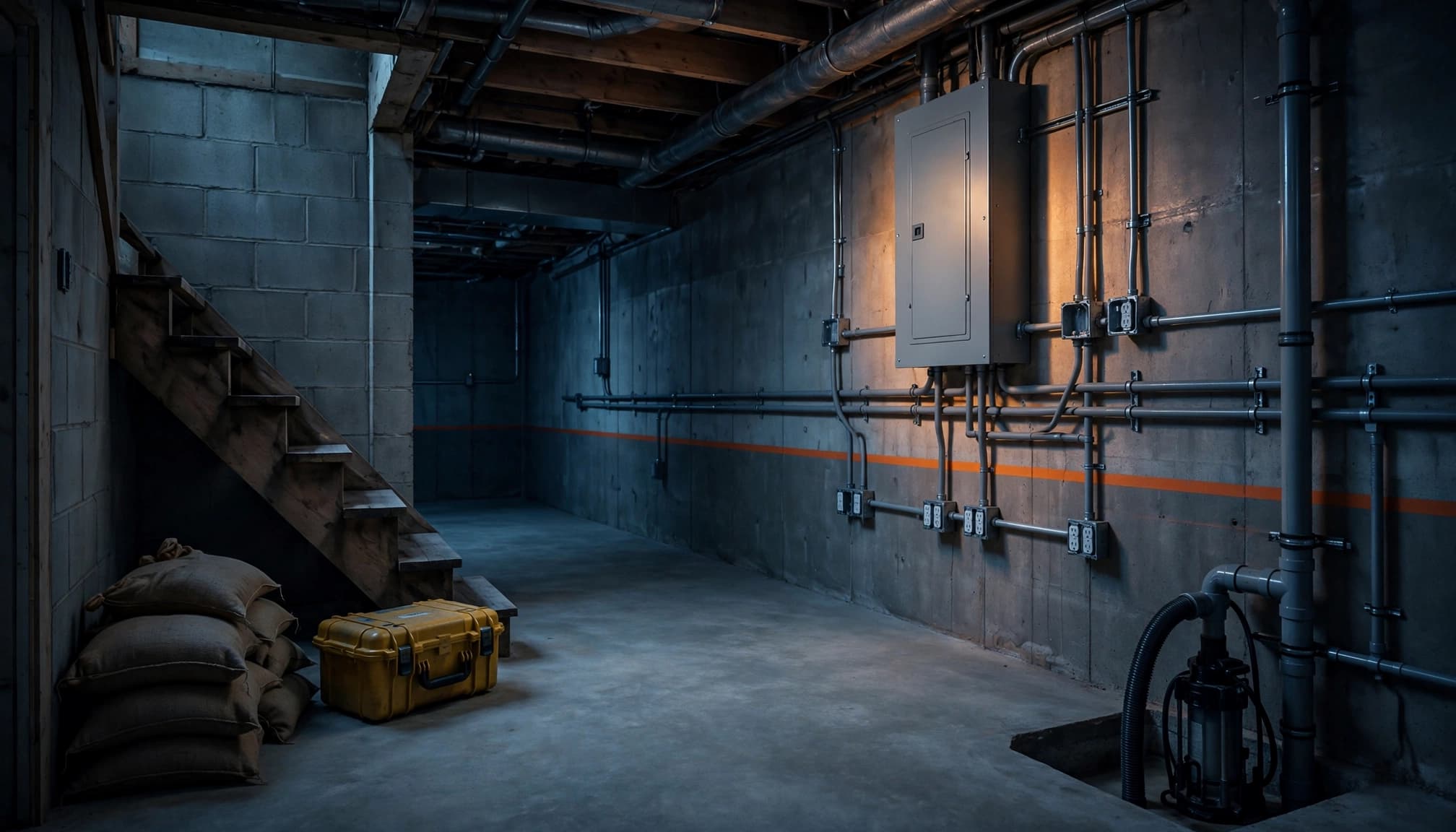
Ask a licensed electrician to identify every circuit serving the basement. The panel directory should clearly identify circuits for:
- The sump pump and backup pump
- Boiler, furnace, water heater, or HVAC equipment
- Basement lighting and receptacles
- Laundry equipment
- Freezers, refrigerators, and other appliances
- A generator connection or transfer equipment
Keep the panel area clear of storage. Store emergency contacts, including your utility, insurer, plumber, heating contractor, and electrician, somewhere accessible without entering the basement.
A professional home electrical inspection in Greater Boston can identify unmarked circuits, weak connections, moisture damage, and outdated wiring before a storm exposes the problem.
Elevate equipment and protect vulnerable circuits
FEMA basement guidance recommends elevating panels, outlets, switches, wiring, and electric baseboard heating at least one foot above the projected flood elevation when practical. FEMA's wet-floodproofing guidance also recommends elevating electrical components such as transformers, switchboards, and branch panels.
A licensed electrician can determine whether equipment should be relocated, placed in a suitable enclosure, or protected through another approved design. Receptacles serving areas below the base flood elevation should receive appropriate GFCI protection based on the location and applicable code.
Do not assume a higher outlet or new breaker solves the entire problem. The wiring method, panel capacity, grounding, equipment listing, and local inspection requirements all matter.
A Practical Pre-Storm Checklist
Complete these steps before a major rain event, spring thaw, or coastal storm:
- Test the sump pump from a dry location and clear debris from the discharge path.
- Confirm that the pump circuit and receptacle are accessible and properly protected.
- Check that the electrical panel directory is accurate and readable.
- Move stored materials away from the panel, boiler, sump pump, and floor-level outlets.
- Keep extension cords, power strips, and portable appliances out of the basement.
- Review how to shut off electricity without walking through water.
- Confirm that backup power equipment has approved transfer equipment.
- Keep generators outdoors, away from doors, windows, and vents.
- Save the phone numbers for your utility, insurer, local building department, and electrician.
- Photograph the basement and major equipment before flood season.
A portable generator must never feed a home through a wall outlet. A properly installed transfer switch or approved interlock prevents utility backfeed and identifies which circuits the generator can supply. Homeowners planning backup power can review this Greater Boston generator installation guide before requesting estimates.
What to Do If Your Basement Floods
Safety comes before cleanup. Do not use a shop vacuum, fan, dehumidifier, portable pump, washer, freezer, or extension cord in or near the flooded area until electrical hazards are controlled.
Shut off power only when it is safe
If the main disconnect is in a dry, accessible location, follow your emergency plan. Do not walk through water to reach it. Do not touch a panel that is wet, damaged, sparking, overheated, or surrounded by water.
Keep children, pets, and visitors away. If you smell gas, hear hissing, or see a damaged gas meter or regulator, leave the building and contact the gas utility. A flooded boiler, furnace, water heater, or other gas appliance needs inspection by a qualified heating professional before use.
Document damage before cleanup
After the utility or a qualified professional confirms that the area is safe to enter, take wide photographs of the basement. Then photograph water lines, outlets, panels, appliances, and damaged belongings.
Contact your insurance company promptly. Keep receipts for water removal, drying equipment, electrical inspections, replacement parts, contractor labor, and disposal. Record the approximate water depth and avoid permanent repairs until your insurer has inspected the damage, unless emergency work is necessary to prevent further loss.
Floodwater may contain sewage or chemicals. Follow local health guidance, ventilate the space after electrical hazards are controlled, and use suitable protective equipment. Wet porous materials that cannot be cleaned and dried may need to be discarded.
Flooded Electrical Equipment Must Be Inspected
A dry floor does not prove that the electrical system is safe. CDC/NIOSH guidance says power should not be restored until a qualified electrician has inspected the equipment.
What the electrician checks
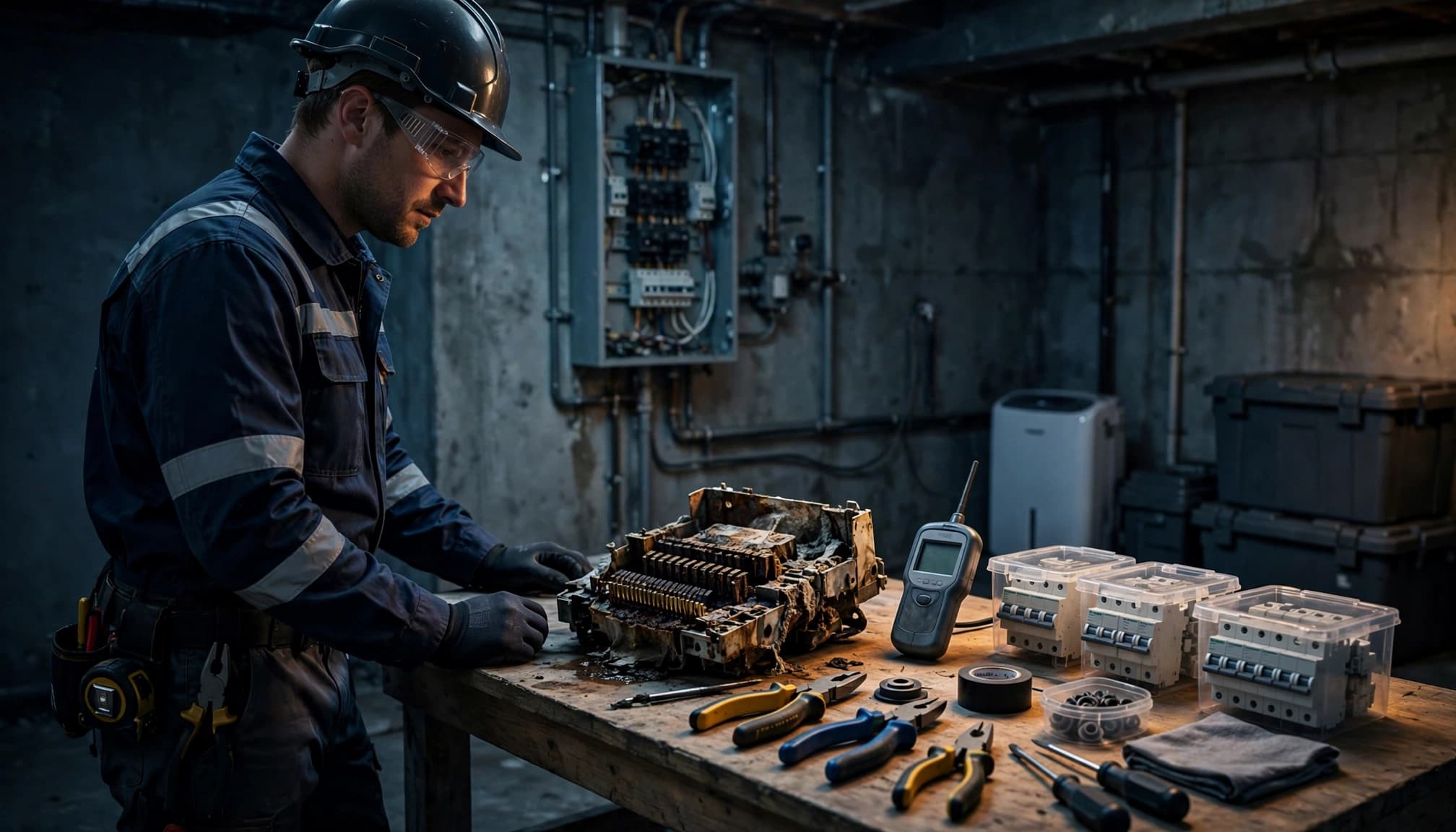
An electrician may inspect the service equipment, panel enclosure, circuit breakers, busbars, branch wiring, receptacles, switches, grounding, bonding, and protective devices. They can also identify circuits serving the boiler, sump pump, laundry area, and other basement equipment.
FEMA states that a flood-affected service panel must be cleaned and dried throughout. Circuit breakers and damaged components must be replaced before re-energization. Busbars must be checked for corrosion or oxidation, and connected loads must be confirmed electrically safe.
The electrician may find damage inside equipment that appears normal from the outside. Corrosion on terminals, green residue, white deposits, water stains, burning smells, buzzing, and storm-related tripping all justify professional evaluation. Read more about rust inside an electrical panel before assuming a panel only needs cleaning.
Re-energization requires clearance
Flooded equipment must not be re-energized until a qualified electrician has evaluated it and completed required repairs or replacement. Do not restore one circuit at a time as a test.
Cord-connected appliances should remain disconnected until inspected, repaired, and declared safe. Permanently connected equipment, including boilers, water heaters, sump pumps, and generators, should remain off until the appropriate professional clears it.
If water reached wiring or equipment, the electrician may recommend replacement rather than drying and reuse. The safest decision depends on the equipment type, depth and duration of exposure, contamination, corrosion, manufacturer instructions, and test results.
For post-flood service, consider a water-damaged electrical panel inspection that covers the affected system rather than relying on a visual check.
Massachusetts Permits, Inspections, and Local Conditions
Massachusetts electrical work is governed by 527 CMR 12.00, which adopts the National Electrical Code with state amendments. The edition and administrative process may depend on when the permit was issued and where the property is located.
FEMA guidance states that electrical repairs and equipment replacements require an electrical permit. Your city or town may require an application, inspection, or additional approval through the local Inspector of Wires. Confirm the process before work begins.
Ask what the estimate includes
When comparing contractors, ask whether the estimate includes:
- Permit applications and inspection coordination
- Electrical utility coordination
- Panel, breaker, or wiring replacement
- Grounding and bonding corrections
- GFCI protection
- Removal and disposal of damaged equipment
- Testing before re-energization
- Documentation for your insurance company
Massachusetts inspection procedures vary by municipality. A Massachusetts electrical rough inspection may apply when walls remain open during repairs or when related renovation work exposes wiring.
Handle sump pumps and generators separately
A sump pump may have caused or failed to prevent the flood, but plugging it back in too soon can create another hazard. The electrician should inspect the pump circuit, receptacle, cord, protection, and pump before use.
Generators require equal care. Never run a portable generator in a basement, garage, or near an open window because carbon monoxide can build up quickly. Permanent backup systems need approved transfer equipment, proper sizing, and any permits or inspections required by the local authority.
Key Takeaways for Basement Electrical Safety
- Stay out of standing water near electrical equipment.
- Treat flooded electrical equipment as energized until it is isolated and inspected.
- Never reset, open, dry, or replace flooded electrical equipment yourself.
- Keep appliances, cords, pumps, and portable fans unplugged near the affected area.
- Have a qualified electrician evaluate panels, breakers, wiring, outlets, and connected equipment.
- Replace damaged breakers and components when professional inspection shows they are unsafe.
- Photograph damage and save receipts before cleanup and repairs.
- Confirm permits, inspections, utility requirements, and local procedures with the appropriate Massachusetts authority.
FAQ
Can I turn the power back on after the basement dries?
No. Water can damage breakers, insulation, terminals, grounding connections, and appliance controls even after visible moisture disappears. A qualified electrician must evaluate affected equipment before power returns.
Can I use a shop vacuum or dehumidifier during cleanup?
Not until electrical hazards have been controlled. The equipment, cord, outlet, or surrounding water could create a shock path. Wait for clearance from the utility or a qualified electrician.
Does a flooded electrical panel always need replacement?
Not every part has the same outcome, but flooded breakers and damaged components may require replacement. FEMA requires affected equipment to be cleaned and dried, and it requires damaged components to be replaced before re-energization. The electrician must determine what can remain in service.
Should I move my panel before the next storm?
Possibly. A panel in a flood-prone basement may need relocation or another approved protective design. The right solution depends on projected flood elevation, service arrangement, working clearance, wiring, code requirements, and site conditions.
Conclusion
Spring flooding demands more than a working sump pump. Protecting your home requires a clear shutoff plan, elevated or protected electrical equipment, safe backup power, and professional inspection after any water exposure.
When water reaches a basement electrical system, cleanup can wait. Keep people away, avoid contact with water near energized equipment, and leave re-energization to a qualified electrician after required repairs and local approvals are complete. Local code requirements and site conditions should always be verified with a Massachusetts-licensed electrician or the local authority.